Table of Contents
Stage 4 Throat Cancer: Key Facts Patients Should Know

By Raveena M Prakash


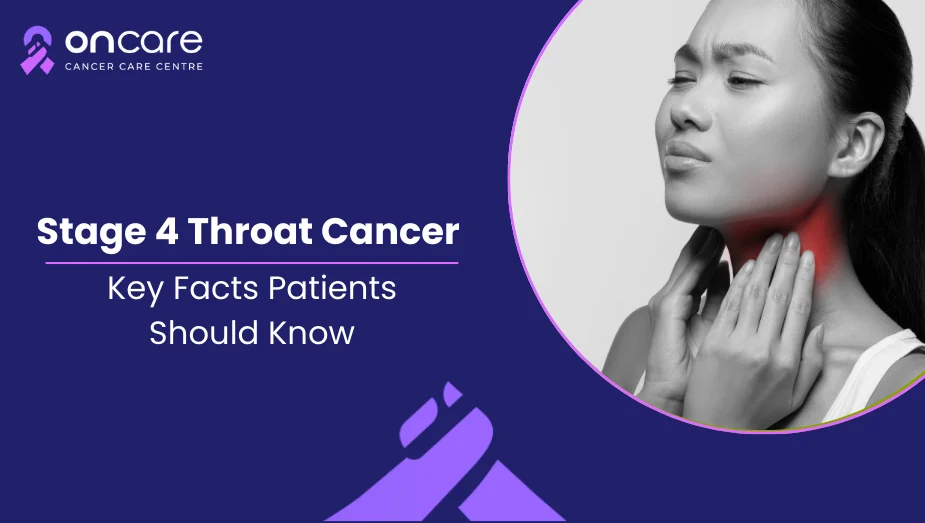
A diagnosis of stage 4 throat cancer can be life-changing, but it does not mean hope is lost. With modern cancer treatments, personalized care plans, and strong support systems, many patients continue to find meaning, comfort, and strength throughout their journey. Many patients and their families have questions about survival, treatment options, side effects, and improving the quality of life that often arise immediately. While every cancer treatment journey is unique, understanding what stage 4 throat cancer means and how it can help and being more informed, prepared, and empowered when discussing care with their medical team.
In this blog, we’ll discover more about the essential facts every patient should know and how they can prepare while going through the treatment journey.
What is Throat Cancer?
Throat cancer is a broad term used to describe various types of cancers that develop in the tissues of the throat. These cancers often affect your throat (pharynx) or voice box (larynx). Throat cancer doesn’t usually cause symptoms immediately; when symptoms do appear noticeable, they are often like those in less serious conditions, such as sore throat and earache.
It's important to recognize the symptoms and not ignore them, especially if these symptoms start to last more than two weeks or more. In most cases, throat cancers are treatable and curable, if detected in early stages.
What does ‘Stage 4’ mean in Cancer?
Cancer staging often helps the oncologists to discover more about how advanced the cancer is and how best to treat it. Stage 4 throat cancer indicates advanced disease which does not mean the same thing for everyone.
The stage 4 often divided into three categories, including:
- Stage 4A: The cancer has grown into nearby tissues or spread to nearby lymph nodes.
- Stage 4B: The cancer has spread extensively in the neck or crucial nearby structures such as blood vessels.
- Stage 4C: The cancer has spread to distant parts of the body, such as the lungs, liver, or bones (metastasis)
Your medical team will explain your exact stage, based on the imaging tests, biopsies and physical examinations.
Common symptoms of Stage 4 Throat Cancer
Symptoms of advanced stage throat cancer can vary depending on the cancer’s location and extent of growth, these may include:
- Constant sore throat and throat pain
- Difficulty swallowing (dysphagia)
- Hoarseness
- Voice changes
- A lump or swelling in the neck
- Ear ringing and pain
- Chronic cough
- Blood in the cough
- Unexplained weight loss
- Fatigue
- Breathing difficulties
Some cancer patients might have experienced mild symptoms earlier that worsened over time, while others might notice sudden changes.
How is Stage 4 Throat Cancer diagnosed?
Your doctor might suggest to perform some tests, if they suspect cancer after understanding your symptoms, these may include:
- Physical examination of throat and neck
- Imaging tests (CT scan, MRIs, PET scan)
- Biopsy (confirming the cancer)
- HPV testing for certain cancers
All of these tests help to determine the cancer’s size, spread and key characteristics, which guide treatment decisions.
Treatment options for Stage 4 Throat Cancer
Metastatic throat cancer treatment is highly individualized and depends on factors such as the exact location of the cancer, HPV status, overall patient health conditions, and personal treatment preferences.
Combination of cancer therapy
Most patients receive a combination of cancer treatments, which might include:
- Radiation therapy to destroy cancer cells
- Chemotherapy to kill or slow the growth of cancer cells
- Targeted therapy to attack cancer cell pathways
This treatment approach aims to control the cancer while preserving the function when possible.
Surgery
Surgery may be used to remove tumors or affected limited lymph nodes. For advanced cancers, surgery is often followed by radiation or chemotherapy. Performing reconstructive surgery may also help to restore speech or swallowing function.
Immunotherapy
For some patients with recurrent or metastatic disease, immunotherapy drugs help recognize and attack cancer cells. These cancer treatments have shown promising results in extending survival for certain cancer patients.
Side effects and how it affects the quality of life
The treatment options for stage 4 throat cancer can affect the daily functions of a patient.
Common challenges include:
- Difficulty speaking and swallowing activities
- Dry mouth or loss of taste
- Fatigue
- Changes in physical appearance
- Emotional distress and anxiety
What patients should know about Prognosis
Stage 4 throat cancer is a serious and advanced form of cancer. The current advancements in cancer care and its treatments have improved the treatment outcomes, and many patients live longer and have better lives than in the past.
Meanwhile, the prognosis has varied widely and depends on several factors, including:
- The exact cancer location and spread across the body
- HPV status (HPV-positive cancers often respond better to cancer treatments
- Overall individual conditions and their ability to tolerate cancer treatments
- Response from cancer therapy
Living with Stage 4 Throat Cancer
Living in stage 4 Throat cancer can be challenging both emotionally and physically. Undergoing many cancer treatments will affect the patients' speech and swallowing, lower their energy levels, and make it difficult to complete daily tasks. With proper symptom management, emotional support, and help from loved ones, patients can now focus on maintaining comfort, dignity, and the best possible quality of life.
Living with an advanced stage of cancer involves more than a medical treatment. Many stage 4 Throat Cancer patients often benefit from:
- Speech and swallowing function rehabilitation
- Nutritional support from professional guidance
- Emotional and psychological support from loved ones
- Professional psychological counseling
- Strong emotional and mental support from cancer support groups and survivor communities.
Consult Today
A recent diagnosis of stage 4 throat cancer is life-changing and overwhelming, not only for patients but also for their families and close friends. With modern treatments, personalized care plans, and strong support systems, many patients continue to find strength and comfort throughout their journey. Many patients don’t know about their chances of survival, treatment options, side effects, and quality of life.
At Oncare, we offer premium-quality cancer treatments, including advanced cancer surgeries, at an affordable price range with an experienced cancer specialist consultation.
If you or any loved ones of yours are diagnosed with cancer, then visit Oncare Cancer Hospital and book an appointment with our experienced cancer specialist today. Get an estimated cost of your cancer treatments today!
Why Oncare: Listen to Our Patients
Frequently Asked Questions
Stage 4 throat cancer is advanced and may not be curable, but it can often be treated.
The treatments often include a combination of radiation therapy, chemotherapy, surgery, and sometimes immunotherapy.
Many cancer patients can return to daily activities after completing their treatments, though there are many adjustments needed.
Book an Appointment
Related Blogs
Stage 3 Breast Cancer Symptoms: Expert-Identified Signs
Discover more about stage 3 breast cancer and what are the common symptoms of this stage of breast cancer and why early detection matters and when to consult a doctor!
Stage 3 Ovarian Cancer: How It Spreads and What It Means
Discover more about stage 3 ovarian cancer and how this cancer spreads in stage 3, and its symptoms, diagnosis, treatments, prognosis and importance of supportive care!
Stage 2 Blood Cancer Management: What Patients Must Know
Discover more about stage 2 blood cancer and common symptoms, treatment options, managing side effects during cancer treatments, and the importance of regular monitoring.
Stage 2 Ovarian Cancer Symptoms: From Mild to Severe Indicators
Discover more about stage 2 ovarian cancer and its symptoms, starting from mild to severe indicators of cancer, why these symptoms are missed, and why early detection matters!