Table of Contents
Stage 4 Oral Cancer: Causes and Symptoms

By Prashant Baghel


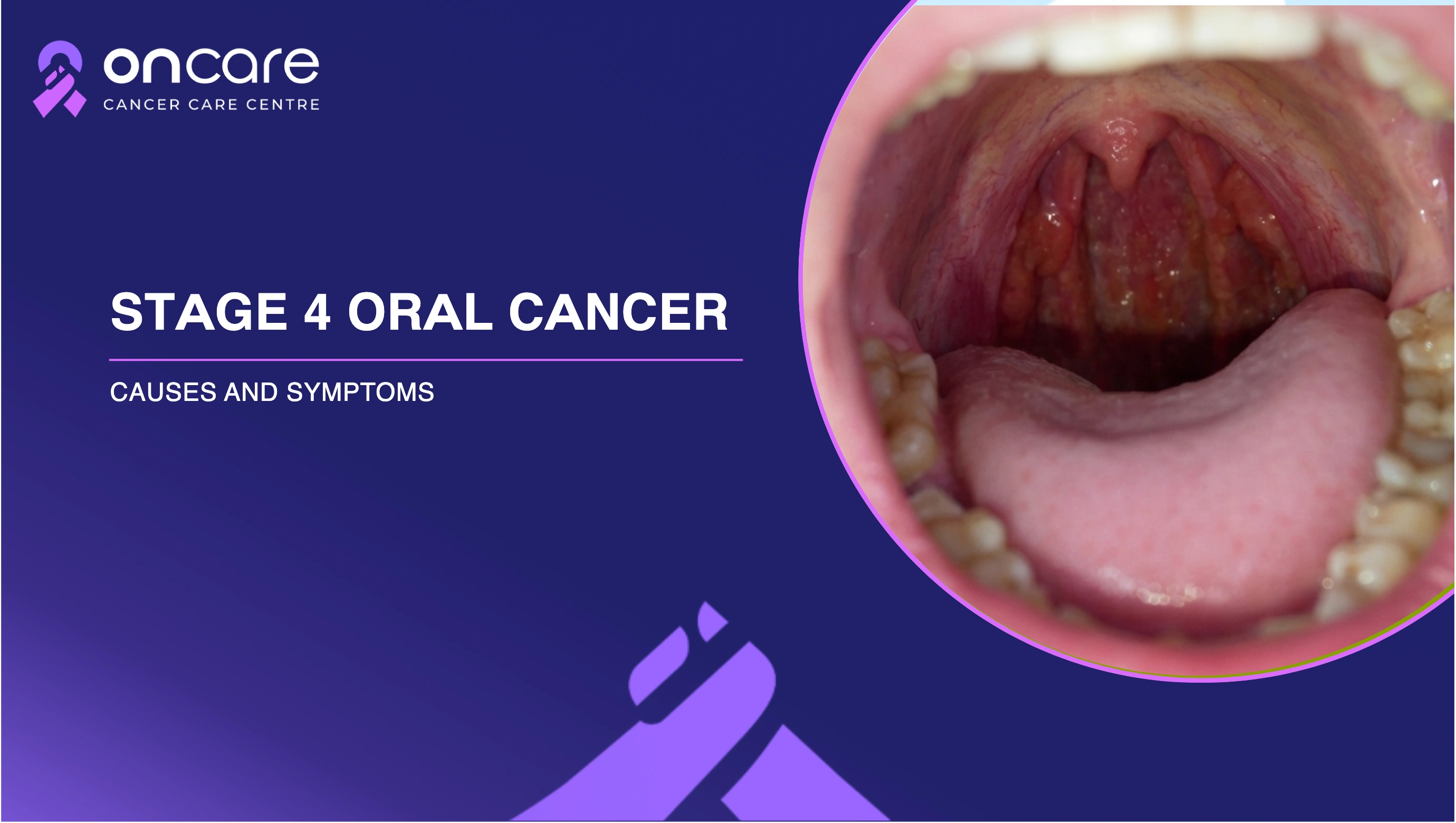
Have you ever had a sore, swollen, or painful area in your mouth that won't go away? A lot of people don't pay attention to these signs because they think they're not important. But these symptoms might occasionally mean something terrible, like oral cancer. Stage 4 oral cancer causes and symptoms are very important to understand because stage 4 oral cancer signifies that the disease has gotten a lot worse and needs immediate medical intervention. If you know what causes and symptoms of stage 4 oral cancer are, you can catch the warning signs early and get treatment before it spreads.
We will explain everything in this article in very basic terms so that anyone can understand, including the causes, indicators, and what to do if you or someone you care about is afflicted.
What is Oral Cancer in Stage 4?
Oral cancer develops in the tissues of the mouth or neck and can spread to the lips, tongue, cheeks, gums, and the roof or floor of the mouth. Stage 4 is the most advanced stage of oral cancer. At this point, cancer may have spread to other sections of the body, lymph nodes, or tissues that are close by.
It's very important to know stage 4 oral cancer causes and symptoms, because finding it late can make treatment harder. Seeing the signals early can save lives, even when things are really bad.
What Causes Stage 4 Oral Cancer
It doesn't happen overnight that you get oral cancer. Over time, there are a number of things that can make it more likely that you will get stage 4 oral cancer. Knowing the stage 4 oral cancer causes and symptoms can help you take preventive steps and stay alert for warning signs.
Cigarettes and Tobacco
Using tobacco in any form is one of the key causes. Cigarettes, bidis, cigars, and chewing tobacco like gutkha and paan can hurt the cells in your mouth. If not treated, this can cause cancer that becomes worse over time and reaches stage 4.
Drinking Alcohol
Another big reason is drinking a lot of alcohol. Alcohol can make cells more likely to get cancer by irritating the lining of the mouth. People who smoke and drink at the same time are considerably more at risk.
Bad Oral Hygiene
Not brushing your teeth or mouth well can also make cancer more likely. Infections and bacterial buildup make the tissues in your mouth weaker, which makes it easier for abnormal cells to proliferate.
Viral Illnesses
Some viruses, such as the human papillomavirus (HPV), can affect the cells in your mouth, which can lead to oral cancer. This is one of the things that is becoming more common in young adults.
Genetics and Age
Adults over 40 are more likely to get stage 4 mouth cancer. Family history and genetics may also make you more likely to get sick.
If you know what these reasons are, you may take action to avoid them and look out for early signs.
Signs of Stage 4 Oral Cancer
Symptoms of stage 4 oral cancer are frequently worse and easier to see than those of earlier stages. They often make it hard to do things like eat, talk, and swallow. Recognizing stage 4 oral cancer causes and symptoms early is crucial for timely medical care.
Mouth Sores That Won’t Go Away
A sore in the mouth that doesn't heal for more than two weeks is one of the first indicators. At stage 4, these sores are bigger, hurt more, and could bleed easily.
Lumps and Swelling
The area that is affected may get bigger or have lumps that are hard to miss. This can happen on the gums, tongue, lips, or cheeks. If the lymph nodes are damaged, the swelling may also migrate to the neck.
Pain When You Eat or Talk
At stage 4, the pain gets worse. It could hurt to chew, swallow, or even talk. Some people may also feel numbness or a burning feeling in their mouths.
Trouble Swallowing or Breathing
As cancer grows deeper into the body, it can make it hard to breathe. This may mean that the cancer is advanced and needs immediate medical attention.
Losing Weight and Feeling Tired
Stage 4 oral cancer might make you lose weight and feel tired without meaning to. The body has a hard time fighting the sickness, and eating is hard because of the pain.
Bad Breath and Bleeding from the Mouth
Bleeding from the mouth, even if there is no injury, and foul breath that won't go away are common indications at this stage.
It's really important to know these signs. The sooner you act, the better the odds that the treatment will work.
How Stage 4 Oral Cancer Gets Worse
Knowing how oral cancer spreads makes it easier to find the stage 4 oral cancer causes and symptoms.
From the Beginning to the End
Most of the time, oral cancer starts as a little sore or patch. If you don't cure it, it gets bigger and spreads to deeper tissues. At stage 4, it might spread to nearby bones, the tongue, or the jaw, and it might also affect lymph nodes in the neck.
Metastasis
At stage 4, cancer can also spread to organs that are far away, like the lungs, liver, or bones. This is why treatment becomes more difficult and demanding.
Effect on Quality of Life
Pain, trouble eating, talking, and tiredness all make life much less enjoyable. At this period, emotional tension and worry are very frequent, so it's crucial to have family and medical support.
Finding Out You Have Stage 4 Oral Cancer
There are several ways that doctors can tell if someone has stage 4 oral cancer. These tests involve a close look at the mouth, imaging tests like CT scans or MRIs, and a biopsy to make sure there are cancer cells. Early diagnosis is the most important thing, even in the latter stages, because it helps arrange therapy better.
Imaging Tests
CT scans, MRIs, and PET scans can show how big the cancer is and how far it has spread. This is especially critical for stage 4 patients, when cancer may have spread to lymph nodes or other organs.
Biopsy
A biopsy means extracting a small piece of tissue from the area that is afflicted. This proves that there is cancer and helps the doctor choose the best course of action.
Tests on Blood
Blood tests don't immediately diagnose oral cancer, but they do assist in monitoring your overall health and preparation for surgery or other therapies.
Consult Today
Stage 4 oral cancer is quite deadly, but if you catch it early and get treatment right away, you can save lives. Understanding stage 4 oral cancer causes and symptoms helps you identify warning signs early. If you have sores, swelling, pain, or trouble eating or talking that won't go away, don't wait to visit a doctor.
Oncare Cancer Hospital has state-of-the-art equipment, knowledgeable doctors, and caring staff for patients with oral cancer. Oncare Cancer Hospital makes sure you or your loved ones get the best care by giving you a professional diagnosis, contemporary treatment options, and complete support.
Frequently Asked Questions
The biggest factors are smoking, drinking, not taking care of your teeth, HPV infection, becoming older, and heredity.
Common signs include pain, swelling, sores that don't heal, trouble swallowing, bleeding, and tiredness.
Yes, patients can get better and have a better quality of life with surgery, radiation, chemotherapy, and other types of care.
If you have oral sores, lumps, pain, or trouble eating or talking that won't go away, see a doctor right away. Taking action early is really important for getting good therapy.
Book an Appointment
Related Blogs
Is Stage 4 Colon Cancer Curable?
Is stage 4 colon cancer curable? Learn about treatment options and expert care. Consult Oncare Cancer Hospital today for advanced treatment and support.
Stages of Blood Cancer: From Early to Advanced Explained
Learn about the stages of blood cancer in simple words, from early signs to advanced phases. Get clear guidance and expert care at Oncare Cancer Hospital.
Stage 3 Blood Cancer Treatment Options Explained
Discover more about stage 3 blood cancer treatments, including chemotherapy, targeted therapy, immunotherapy, and stem cell transplantation and its care options!
Stage 4 Blood Cancer: Warning Signs You Shouldn’t Ignore
Learn more about stage 4 blood cancer including fatigue, infections, swollen lymph nodes, and unexplained weight loss and know when to consult a doctor and its care options!