Table of Contents
Stage 4 Blood Cancer: Warning Signs You Shouldn’t Ignore

By Raveena M Prakash


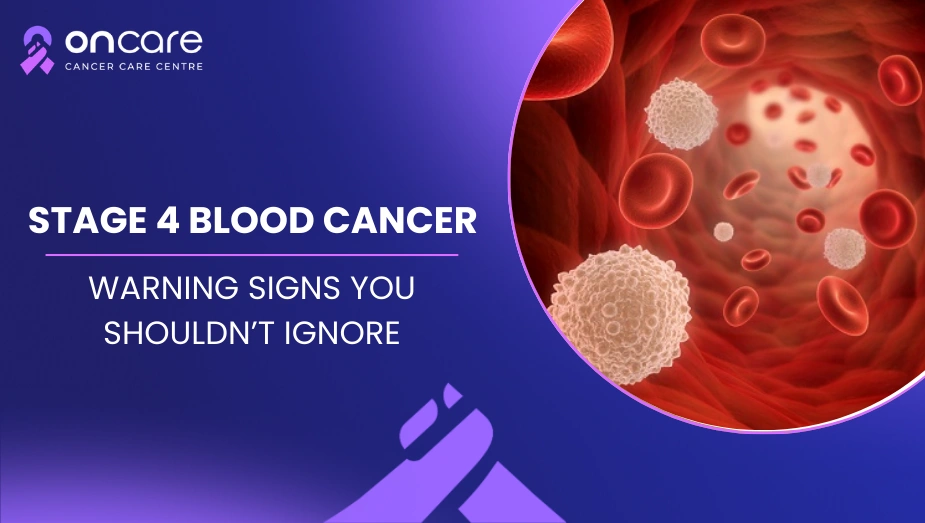
Blood cancer is a complex and serious condition that affects the production and function of blood cells. When diagnosed at stage 4, the cancer has already advanced and has significantly spread within the body. While stage 4 blood cancer can sound frightening, understanding the warning signs and seeking timely medical care can make a more meaningful difference in treatment and quality of life.
In this article, we’ll discover more about what stage 4 blood cancer means, the symptoms you shouldn’t ignore, and when to consult a doctor!
What is stage 4 blood cancer?
Stage 4 blood cancer refers to an advanced stage of the disease in which cancer cells have extensively spread within the blood, bone marrow, lymphatic system, and other organs in the body.
Blood cancer primarily include:
- Leukemia: cancer of the blood and bone marrow
- Lymphoma: cancer of the lymphatic system
- Multiple myeloma: cancer of the plasma cells
Unlike many solid types of tumors, blood cancers such as leukemia, lymphoma, and multiple myeloma do not always follow a traditional staging system.
However, in general terms, stage 4 indicates:
- Widespread disease
- Extensive cancer treatment
Warning sign you shouldn’t ignore
Many symptoms of blood cancer can appear mild at first. However, persistent or worsening symptoms should never be ignored.
Extreme fatigue
If you are feeling unusually tired even after the first, then the rest is one of the most common symptoms. It happens when cancer affects the body’s ability to produce healthy red blood cells, leading to anemia.
Watch for:
- Weakness
- Shortness of breath
- Dizziness
- Pale skin
2. Frequent infections
If you are getting sick more often than usual or infections are difficult to treat, it may indicate a weakened immune system due to abnormal blood cells.
Signs including:
- Recurrent fevers
- Constant sore throat
- Persistent cough
- Slow recovery from infections
3. Unexplained weight loss
If you are experiencing sudden and unintentional weight loss without changes in diet or exercise, it can be a major red flag. An advanced blood cancer often increases the body’s metabolic demands, leading to extreme weight loss.
4. Swollen lymph nodes
If you are experiencing painless swelling in areas such as the neck, armpits, and groin, these may signal lymphoma or advanced blood cancer.
5. Easy bruising and bleeding
When the platelets starts to get low in patient’s bodies, you may notice:
- Frequent nosebleeds
- Bleeding gums
- Unexplained bruises
- Tiny red or purple spots on the skin (petechiae)
6. Bone or joint pain
Bone pain, especially in the back, ribs, or hips, might occur conditions like multiple myeloma or advanced leukemia.
In some cases,
- The pain might be persistent
- Worsen at night
- Not getting better with proper rest and sleep
7. Enlarged liver or spleen
In some cases, patients might feel fullness in the abdomen, discomfort under the ribs, or loss of appetite; this happens when the cancer cells start to accumulate in these organs.
Diagnosis of advanced blood cancer
If stage 4 blood cancer is suspected, doctors might recommend these tests, including:
- Complete blood count (CBC)
- Bone marrow biopsy
- Imaging tests (CT, PET Scans)
- Genetic or molecular testing
These tests help to determine the exact type and guide treatment planning.
Treatments for stage 4 blood cancer
Treatment for stage 4 blood cancer depends on the type of cancer and the patient’s overall health. At this advanced stage, the main treatment goals are used to control the disease, manage symptoms, and improve the quality of life.
The treatment goal may be:
- To control the disease
- To relieve symptoms
- To improve quality of life
In some cases, to achieve common remission,
Common treatments may include:
- Chemotherapy
- Targeted therapy
- Immunotherapy
- Stem cell transplant
- Radiation therapy (in selected cases)
A hematologist often chooses the treatment based on the type of blood cancer and the patient’s overall health. However, advances in medical science and cancer treatments have significantly improved the treatment outcomes for many patients.
Emotional and supportive care
A recent diagnosis of advanced blood cancer can be emotionally challenging and overwhelming to handle. Here are some of the support options available for advanced blood cancer patients, include:
- Professional Counseling
- Cancer support groups
- Palliative care services
- Family and caregiver assistance
Comprehensive cancer care focuses not only on treatment but also on comfort and mental well-being.
Consult Today
Stage 4 blood cancer is serious and complex, but recognizing the early warning signs can lead to faster diagnosis and timely cancer treatment. Some of the key symptoms, including persistent fatigue, frequent infections, unusual bleeding, swollen lymph nodes, and unexplained weight loss, should never be ignored.
At Oncare, we offer premium-quality cancer treatments, including advanced cancer surgeries, at an affordable price range with an experienced cancer specialist consultation.
If you or any loved ones of yours are diagnosed with cancer, then visit Oncare Cancer Hospital and book an appointment with our experienced cancer specialist today! Get an estimated cost of your cancer treatments today!
Frequently Asked Questions
It depends on the type of blood cancer and many experts suggest how the body responds to treatment. Some patients achieve long-term remission, while others receive treatment to control the disease and improve the overall quality of life.
Common symptoms of blood cancer include extreme tiredness, frequent infections, unexplained weight loss, swollen lymph nodes, easy bruising or bleeding, bone pain, fever, and night sweats.
Treatment may include chemotherapy, targeted therapy, immunotherapy, or stem cell transplant. Doctors choose the treatment based on the type of blood cancer and the patient’s overall health.
Book an Appointment
Related Blogs

Stage 2 Breast Cancer Treatment: Options, Process, and Success Rate
Learn more about Stage 2 breast cancer treatment options, including surgery, chemotherapy, radiation, and survival rates. Understand the process and prognosis.
Stage 3 Lung Cancer Symptoms: Complete Awareness Guide
Learn the symptoms of Stage 3 lung cancer including chronic cough, chest pain, shortness of breath, and weight loss and importance of awareness and early detection.
Stage 3 Ovarian Cancer Symptoms: How They Differ from Earlier Stages
Learn more about the symptoms of Stage 3 ovarian cancer and how they differ from early stages, including bloating, abdominal pain, swelling, and digestive changes.
Stage 4 Breast Cancer Symptoms: Full Body Signs & Advanced Indicators
Learn the full-body symptoms of stage 4 breast cancer, including bone pain, shortness of breath, fatigue, and signs of advanced metastasis and its full-body signs!