Table of Contents
Stage 3 Lung Cancer Symptoms: Complete Awareness Guide

By Raveena M Prakash


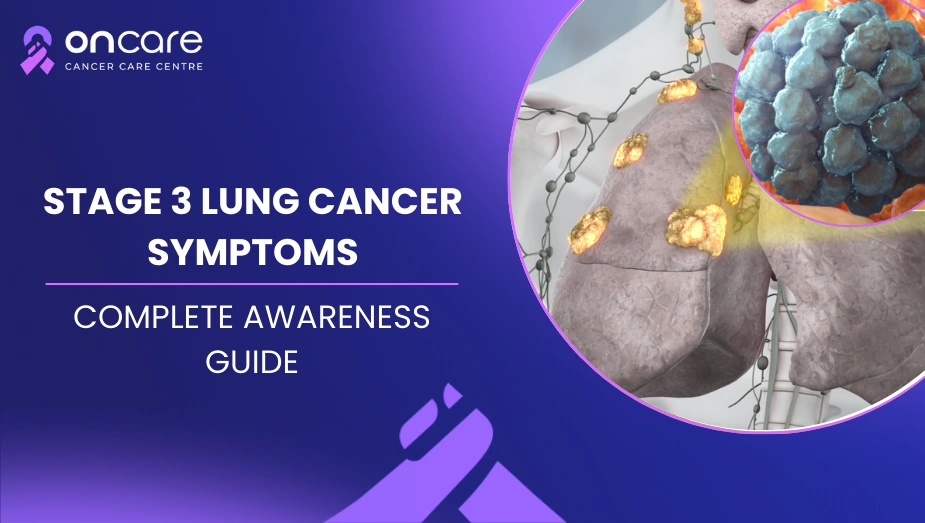
Lung cancer is a serious and complex type of cancer, and stage 3 has typically reached the nearby tissues, lymph nodes, or both lungs. Understanding the symptoms of stage 3 lung cancer is crucial for early detection, timely cancer treatment, and improving treatment outcomes.
In this article, we’ll delve more into recognizing the warning signs, understanding the cancer progression, and knowing when to seek medical attention.
What is stage 3 Lung cancer?
Lung cancer is classified into mainly four stages, while stage 3 lung cancer indicates locally advanced lung cancer.
At this stage:
- The tumor may be larger than 7 cm or start to invade nearby structures like the chest wall, diaphragm, or major blood vessels.
- Cancer often spreads to the nearby lymph nodes but not to distant organs (that would be stage 4)
There are two subtypes of lung cancer
These may include:
- Stage 3A: In this stage, the cancer has spread to lymph nodes on the same side of the chest.
- Stage 3B: In this stage, the cancer has spread to nearby lymph nodes on the opposite side of the chest or above the collarbone.
Understanding the stage and its treatment options may help doctors to design a precise treatment plan, including surgery, chemotherapy, radiation, or targeted therapy.
Common symptoms of stage 3 lung cancer
Here are some of the symptoms of stage 3 lung cancer, which can be subtle at first but often intensify as the disease starts to progress.
These may include:
Persistent cough
If you are experiencing a type of chronic cough that lasts more than a few weeks or worsens over time. These may produce blood or rust-colored mucus.
Shortness of breath
In some cases, patients might experience difficulty in breathing during normal activities or even at worst. If you are experiencing any of these signs, then it can block the airways or fluids around the lungs.
Chest pain
In some cases, patients might experience pain or tightness in the chest, shoulder, or back. These often worsen with deep breathing, coughing, or laughing.
Fatigue and weakness
In some cases, patients might experience persistent tiredness that doesn’t improve with proper rest and sleep. These can result from the cancer itself or from the body’s response from it.
Unexplained weight loss
If you suddenly start to lose weight without trying it can be an early warning sign of these cancers.
Hoarseness or voice changes
In some cases, tumors pressing on nerves might cause persistent hoarse voices in suspected patients.
Recurring infections
In some people, they might start to experience frequent bronchitis, and pneumonia may occur if the tumor blocks airways.
Swelling of face, neck and arms
Some patients might experience these symptoms caused by pressure on major veins near the chest, also known as superior vena cava syndrome.
Less common symptoms
- In some rare cases, people might experience bone pain if the cancer spreads to the nearby bones.
- Neurological symptoms such as headaches or dizziness, which are often considered rare in stage 3.
- Loss of appetite and general malaise.
Diagnosis of stage 3 lung cancer
Stage 3 lung cancer diagnosis often involves confirming locally advanced cancer that has already spread to nearby lymph nodes within the chest but has not spread to the distant organs. Many experts suggest that this critical, often symptomatic stage requires advanced diagnostic methods.
Doctors use multiple methods to diagnose and stage lung cancer, including:
- Imaging tests: Chest X-ray, CT scan, PET scan, and MRI.
- Biopsy: Some of the tests may include tissue samples from the lung or lymph nodes.
- Blood tests: These tests are performed to check general health and organ function.
- Pulmonary function tests: These tests are performed to evaluate the lung capacity.
Staging procedure is considered essential to decide whether surgery, chemotherapy, radiation therapy or combination treatment is appropriate for the patients.
Treatment overview
Stage 3 lung cancer is often considered locally advanced; in simpler terms, this stage of cancer has spread beyond the lungs but not to distant organs. Because of its complexity, treatments usually involve a combination of therapies designed for the patient’s overall health, cancer subtype, and tumor location in the patient’s lungs.
- Surgery: In these procedures, a surgical oncologist tends to remove tumors if they are operable.
- Radiation therapy: In these treatments, a radiation oncologist tends to shrink tumors or target cancer cells.
- Chemotherapy: These treatments are often performed in combination with radiation to increase the treatment effectiveness.
- Targeted therapy: These treatments help to treat cancers with specific genetic mutations in patients.
- Immunotherapy: These treatments help to treat the immune system to attack cancer cells.
A multidisciplinary treatment approach from oncologists, surgeons, and radiologists is often required to treat these stage 3 lung cancer patients.
When to consult a doctor
Early medical evaluation with imaging tests, like CT scans or PET scans, can help to detect lung cancer at a stage when treatment is more effective in patients. If you start to notice any of the above noticeable symptoms, especially if they start to persist for more than a few weeks, it’s important to consult a healthcare professional.
Living with stage 3 lung cancer
Living with stage 3 lung cancer can be challenging, both physically and emotionally. Beyond getting cancer treatments, practicing some daily life might require adjustments to manage symptoms, deal with fatigue, and maintain overall well-being. Discovering how to balance treatment, lifestyle changes, and emotional support can help patients and their families to move forward with the treatment journey with confidence and resilience.
Supportive care is essential, including:
- Balanced nutrition and hydration.
- Practicing gentle physical activity as suggested by a healthcare provider.
- Emotional and psychological support.
- Managing treatment side effects such as nausea, fatigue, and pain.
- Patient support groups and counseling can significantly improve the quality of life.
Consult Today
Stage 3 lung cancer is serious, but early detection of symptoms and immediate medical care can make a big difference. Awareness of persistent cough, shortness of breath, chest pain, fatigue, and other warning signs is crucial. If you or any loved ones of yours are experiencing the above symptoms, then consulting a healthcare professional immediately is crucial for better treatment outcomes.
At Oncare, we offer premium-quality cancer treatments, including advanced cancer surgeries, at an affordable price range with experienced cancer specialist consultations.
If you or any loved ones of yours are diagnosed with cancer, then visit Oncare Cancer Hospital and book an appointment with our experienced cancer specialist today. Get an estimated cost of your cancer treatments today!
Frequently Asked Questions
Stage 3 lung cancer means that the cancer has spread to nearby lymph nodes or surrounding tissues but not to distant organs such as the brain and liver.
Yes, stage 3 lung cancer is treatable. The treatment often includes a combination of treatments, such as chemotherapy, radiation therapy, surgery, targeted therapy, or immunotherapy.
The common symptoms of stage 3 lung cancer, including chronic chest pain, persistent cough, shortness of breath, fatigue, sudden weight loss, and blood in the cough.
Book an Appointment
Related Blogs
Stage 3 Ovarian Cancer Symptoms: How They Differ from Earlier Stages
Learn more about the symptoms of Stage 3 ovarian cancer and how they differ from early stages, including bloating, abdominal pain, swelling, and digestive changes.
Stage 3 Colon Cancer Symptoms Explained: What Happens at This Stage?
Stage 3 colon cancer symptoms may include bowel changes, blood in stool, abdominal pain, fatigue, and weight loss. Learn how this stage is diagnosed, why symptoms worsen.
Stage 3 Lung Cancer: How It Spreads and What Happens Next
Learn more about lung cancer and stage 3 symptoms, how stage 3 lung cancer spreads, treatments and the side effects, and the importance of emotional impact!

Stage 3 Breast Cancer Symptoms: Expert-Identified Signs
Discover more about stage 3 breast cancer and what are the common symptoms of this stage of breast cancer and why early detection matters and when to consult a doctor!