Table of Contents
Stage 3 Liver Cancer: How Advanced Is It & What Comes Next?

By Dr. Gajendra Kumar Himanshu


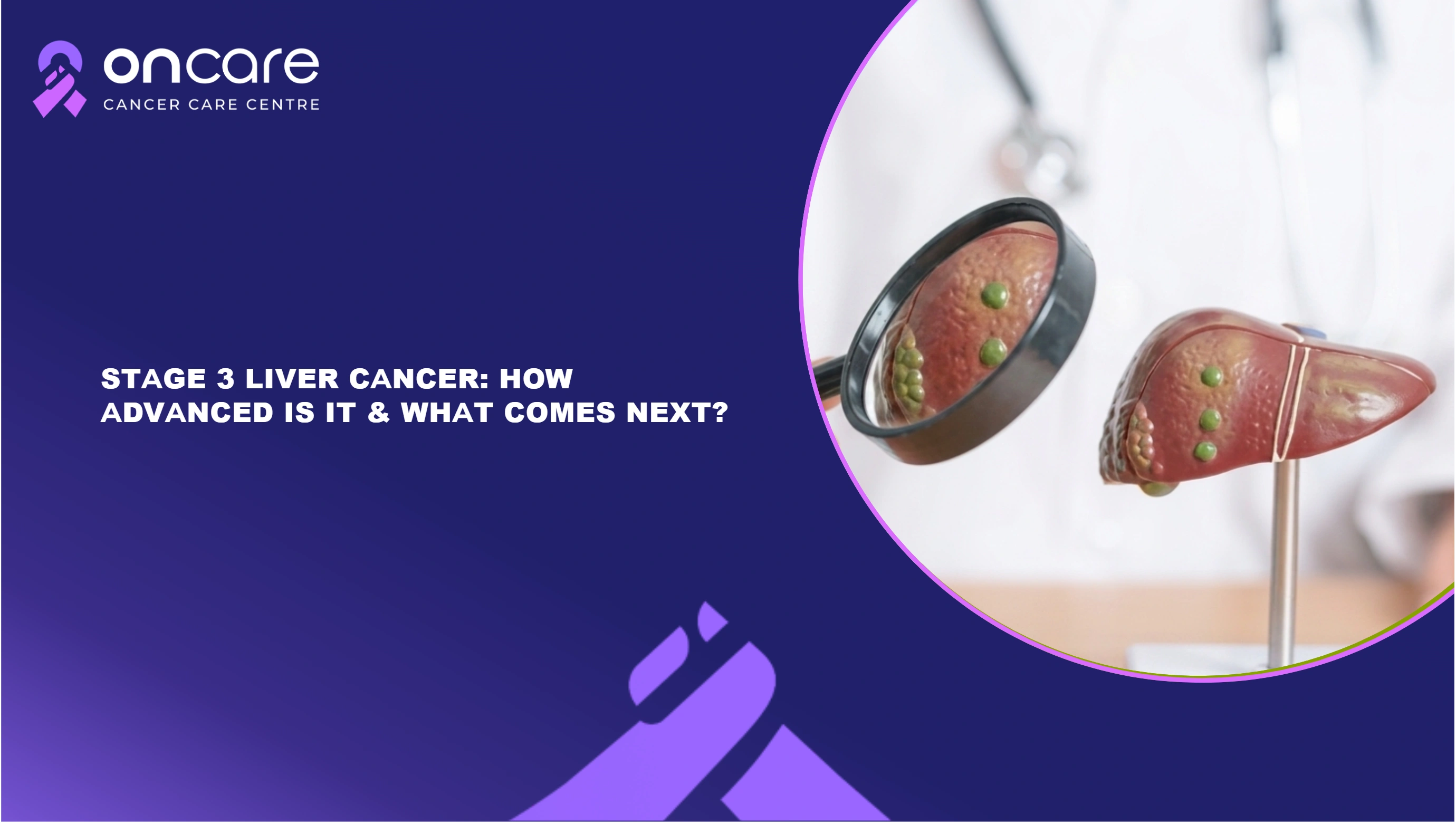
It might be scary and bewildering to hear the words stage 3 liver cancer. A lot of folks want to know right away what it implies for their health and what will happen next. Liver cancer is a very bad disease, but knowing what stage it is in can help patients and their families know what to expect and what treatments are available.
Stage 3 liver cancer signifies that the cancer has gotten worse since the first stage. It's important to note, though, that there are medicines available and that many individuals still have options that can help control the disease, lessen symptoms, and make life better. Doctors today employ new medicines and individualized care strategies to help individuals live longer and better.
In this article, we'll talk about what stage 3 liver cancer is, how bad it is, and what normally happens next. We will also discuss common therapies and how patients might get the correct medical help.
What You Need to Know About Stage 3 Liver Cancer
Stage 3 liver cancer is an advanced stage, however it is not the last stage of the illness. At this point, the cancer has either gotten bigger or spread to blood arteries or tissues near the liver. But it hasn't usually spread to organs that are far away, such the lungs or bones.
Doctors break stage 3 liver cancer down into smaller groups based on how the tumor has grown and spread. These organizations assist doctors figure out the best way to treat each patient.
Liver Tumor Growth
In stage 3 liver cancer, the tumor is usually bigger than 5 cm, or there may be more than one tumor in the liver. These tumors can sometimes grow into blood arteries that are vital to the liver. Because the liver is so important for filtering blood and helping with digestion, this can make therapy harder.
As tumors get bigger, they might make the liver perform less well. The liver does a lot of critical things, like removing toxins, aiding digestion, and storing nutrients. This is why maintaining liver function is an important part of planning treatment.
Spread to Nearby Blood Vessels
When the tumor extends into the liver's major blood arteries, this is one of the main indications of stage 3 liver cancer. These blood veins help the liver pump blood, so when cancer gets to them, it gets worse.
This kind of spread doesn't suggest the disease has spread to other organs, but it does mean that doctors need to be careful about the treatments they choose. Some treatments may focus on reducing the growth of cancer and protecting the healthy liver tissue that is still there.
It Could Spread to Nearby Organs
Stage 3 liver cancer can sometimes spread to surrounding organs or tissues, like the lining around the liver. If the cancer hasn't spread to other parts of the body yet, this is still stage 3.
Even when the cancer spreads to surrounding areas, doctors may still be able to manage it using therapies like immunotherapy, targeted therapy, or unique procedures that target the liver.
Signs That People Might Notice
People with stage 3 liver cancer often notice that their symptoms are worse than they were in the early stages. But the symptoms can be different for each person.
Some common signs are pain or discomfort in the upper right side of the abdomen, losing weight for no reason, feeling weary, and not wanting to eat. Some people may also have swelling in their stomach, nausea, or yellowing of their skin and eyes, which is called jaundice.
These symptoms happen because the tumor is becoming bigger and is hurting the liver. If someone has these symptoms, they should consult a doctor right once for testing and diagnosis.
What to Do About Stage 3 Liver Cancer
Various things affect how stage 3 liver cancer is treated. Doctors check the size of the tumor, how many there are, if they are near blood vessels, and how effectively the liver is working.
Some people may benefit from surgery, especially if the tumor can be safely removed. But surgery isn't always an option in stage 3 because the tumor could be too big or close to key blood vessels.
Liver-Directed Therapy
Another alternative is liver-directed therapy, which treats the tumor directly. This could involve treatments that cut off the tumor's blood supply or put drugs straight into the liver.
Targeted Therapy
Targeted therapy and immunotherapy are two modern treatments that are increasingly becoming more widespread. Compared to standard chemotherapy, these medicines help the body fight cancer cells better and have fewer side effects.
Combination Treatments
Doctors may also suggest using more than one treatment to keep the cancer under control and slow its progress.
What Happens After You Get a Diagnosis
When someone is diagnosed with stage 3 liver cancer, doctors usually develop a treatment plan just for them. The patient's overall health, liver function, and the exact state of the malignancy are all taken into account when making this plan.
Patients may get imaging tests like CT scans or MRIs to keep an eye on the tumor. Blood tests are also done on a regular basis to monitor how well the liver is operating and how well the treatment is working.
During this period, it's vitally crucial to get help from family, doctors, and healthcare professionals. Many hospitals also offer counseling, nutrition advice, and other types of care to assist cancer patients in dealing with the physical and emotional problems that come with the disease.
Living with Stage 3 Liver Cancer
Stage 3 liver cancer can be hard to deal with, yet a lot of people can have meaningful lives while getting treatment. Following medical advice, living a healthy lifestyle, and going to frequent checks can all help with the issue.
To keep your liver healthy, eat balanced meals, stay active when you can, and stay away from alcohol. Emotional support is particularly vital because cancer can make both patients and their loved ones feel stressed and anxious.
Patients can feel less alone on their journey with the help of support groups and counseling services.
Consult Today
Stage 3 liver cancer is an advanced stage of the disease, yet there is still hope. Many people can live with the condition and improve their quality of life with early diagnosis, the right therapy, and supportive care.
Knowing what stage of cancer a person is in helps them and their doctors make smart choices regarding treatment and future care. If you or someone you care about has been diagnosed with stage 3 liver cancer, it's very important to get treatment from doctors who have a lot of experience.
For expert care and advanced treatment options, Oncare Cancer Hospital offers specialist cancer services with state-of-the-art technology and professional physicians who are dedicated to giving patients the best care possible.





Frequently Asked Questions
Stage 3 liver cancer signifies that the tumor has grown large or expanded to neighboring blood vessels or tissues, but it has not migrated to other organs in the body.
Yes, you can treat stage 3 liver cancer. Depending on the patient's condition, doctors may utilize surgery, targeted therapy, immunotherapy, or liver-directed techniques.
Stage 3 liver cancer is an advanced stage, but with the right medication and care, it is still feasible to control the illness.
Yes, a lot of people with stage 3 liver cancer get treatment and live with it. The outcome relies on things including the person's overall health, how effectively their liver works, and how well the cancer reacts to treatment.
Written and Verified by:
Dr. Gajendra Kumar Himanshu Exp: 10 Yr
Medical Officer
Book an Appointment
Related Blogs
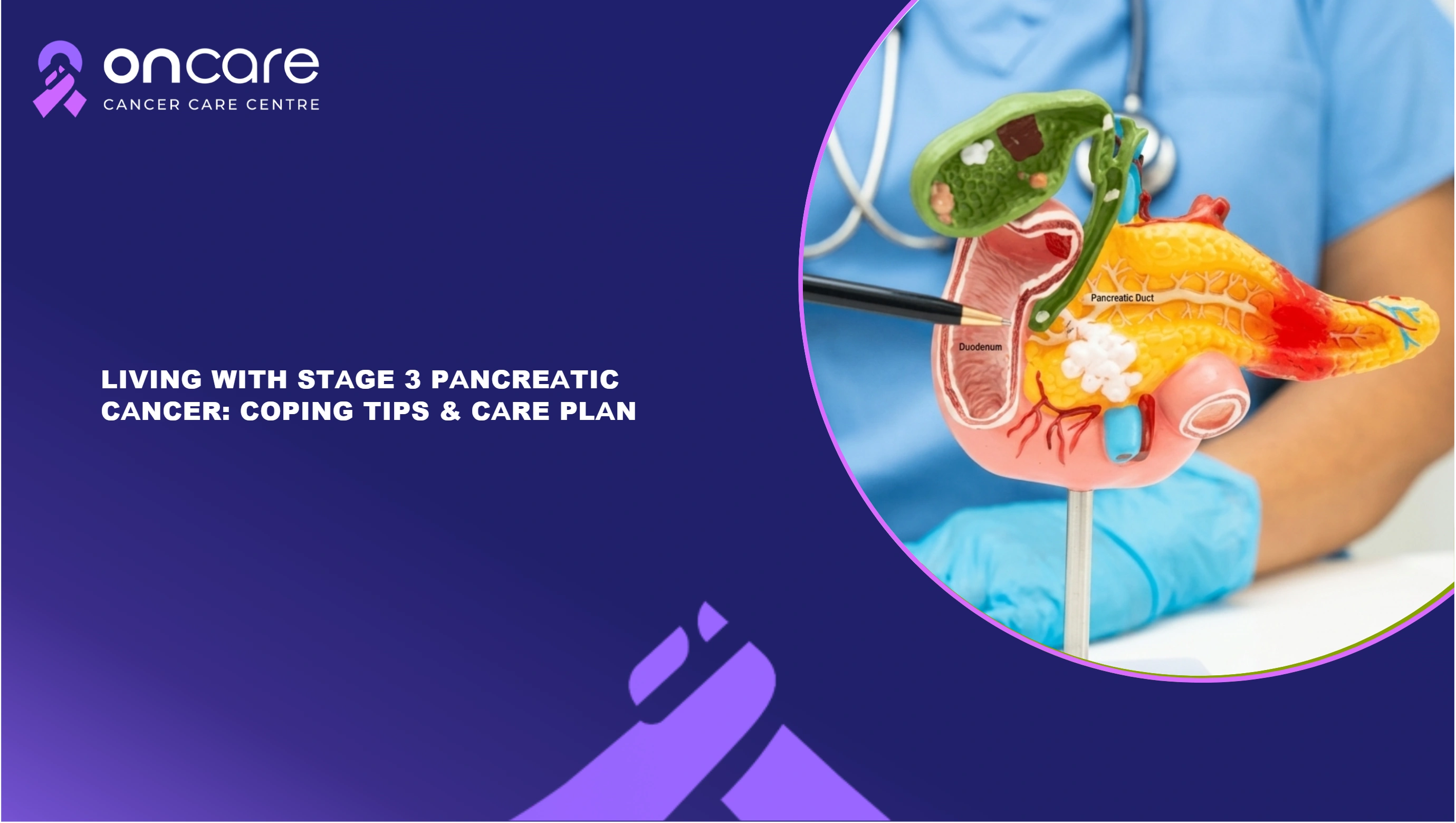
Living With Stage 3 Pancreatic Cancer: Coping Tips & Care Plan
Learn about stage 3 pancreatic cancer symptoms, treatment options, and lifestyle support. Discover expert care and personalized treatment at Oncare Cancer Hospital.
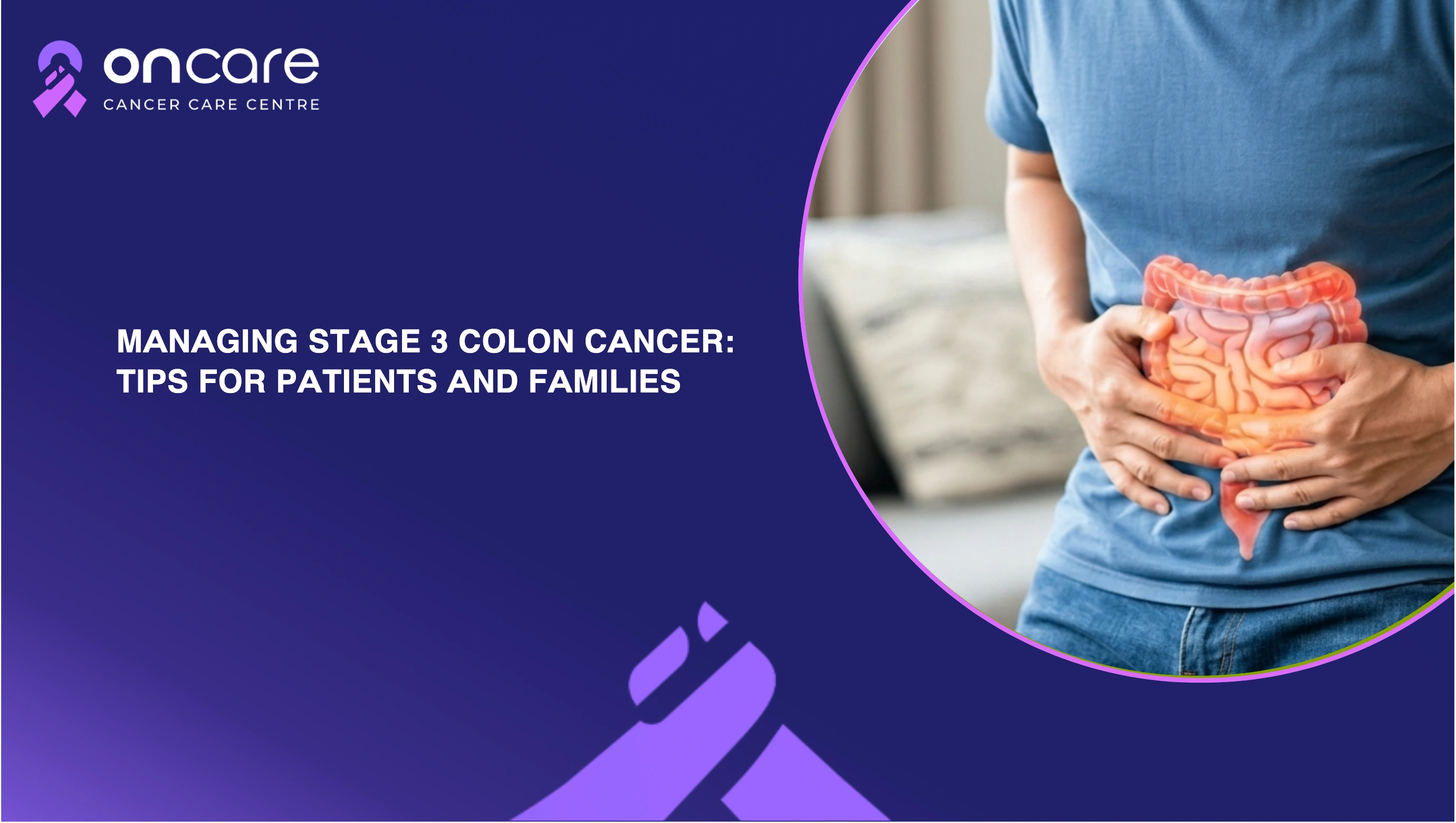
Managing Stage 3 Colon Cancer: Tips for Patients and Families
Learn about stage 3 colon cancer, including symptoms, treatment options, and lifestyle support. Get expert diagnosis and personalized care at Oncare Hospital.
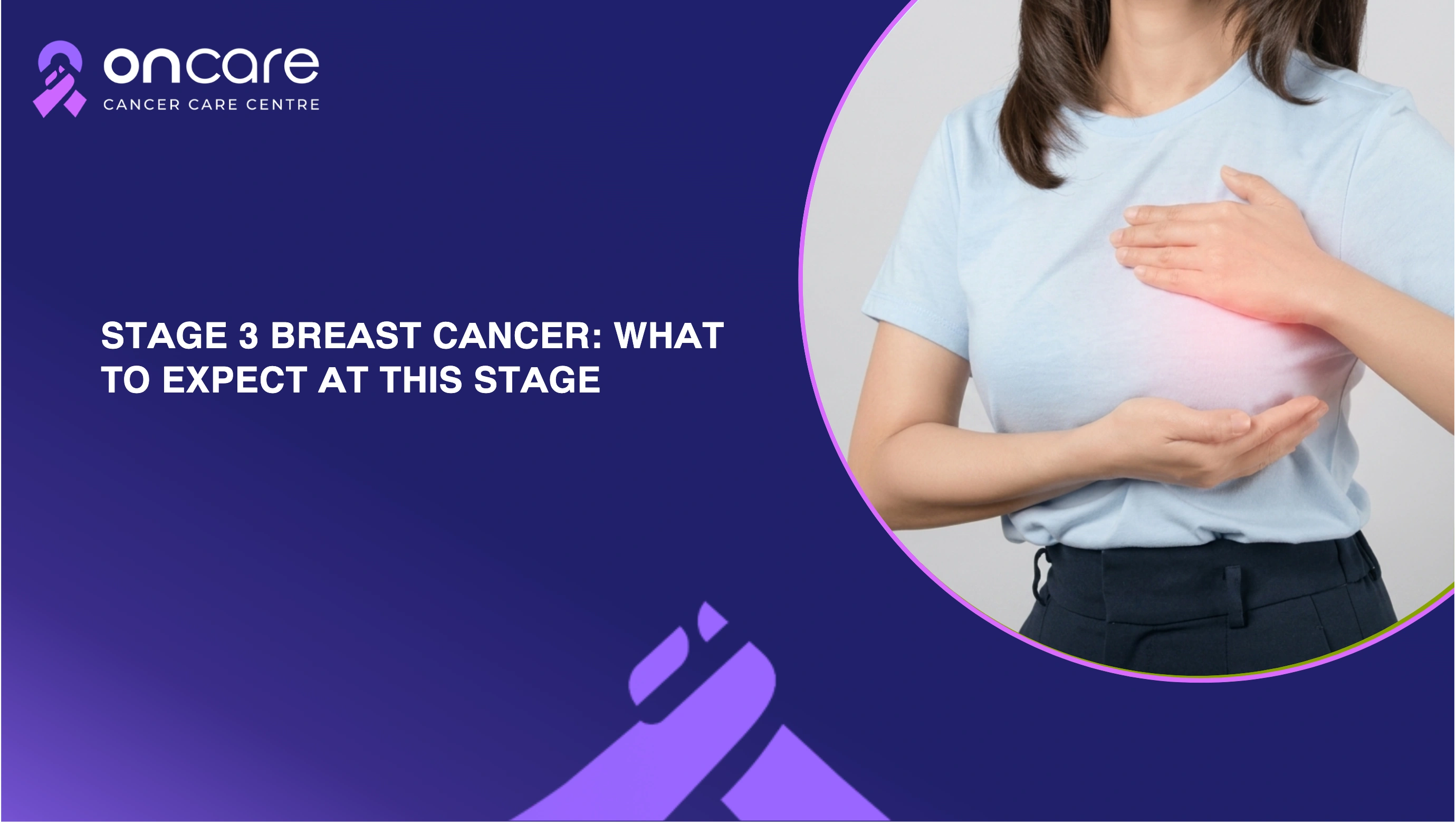
Stage 3 Breast Cancer: What to Expect at This Stage
Learn about stage 3 breast cancer, its symptoms, and treatment options like surgery, chemotherapy, and radiation. Get expert care at Oncare Cancer Hospital.
Stage 3 Blood Cancer Treatment Options Explained
Discover more about stage 3 blood cancer treatments, including chemotherapy, targeted therapy, immunotherapy, and stem cell transplantation and its care options!