Table of Contents
Stage 3 Breast Cancer: What to Expect at This Stage

By Prashant Baghel


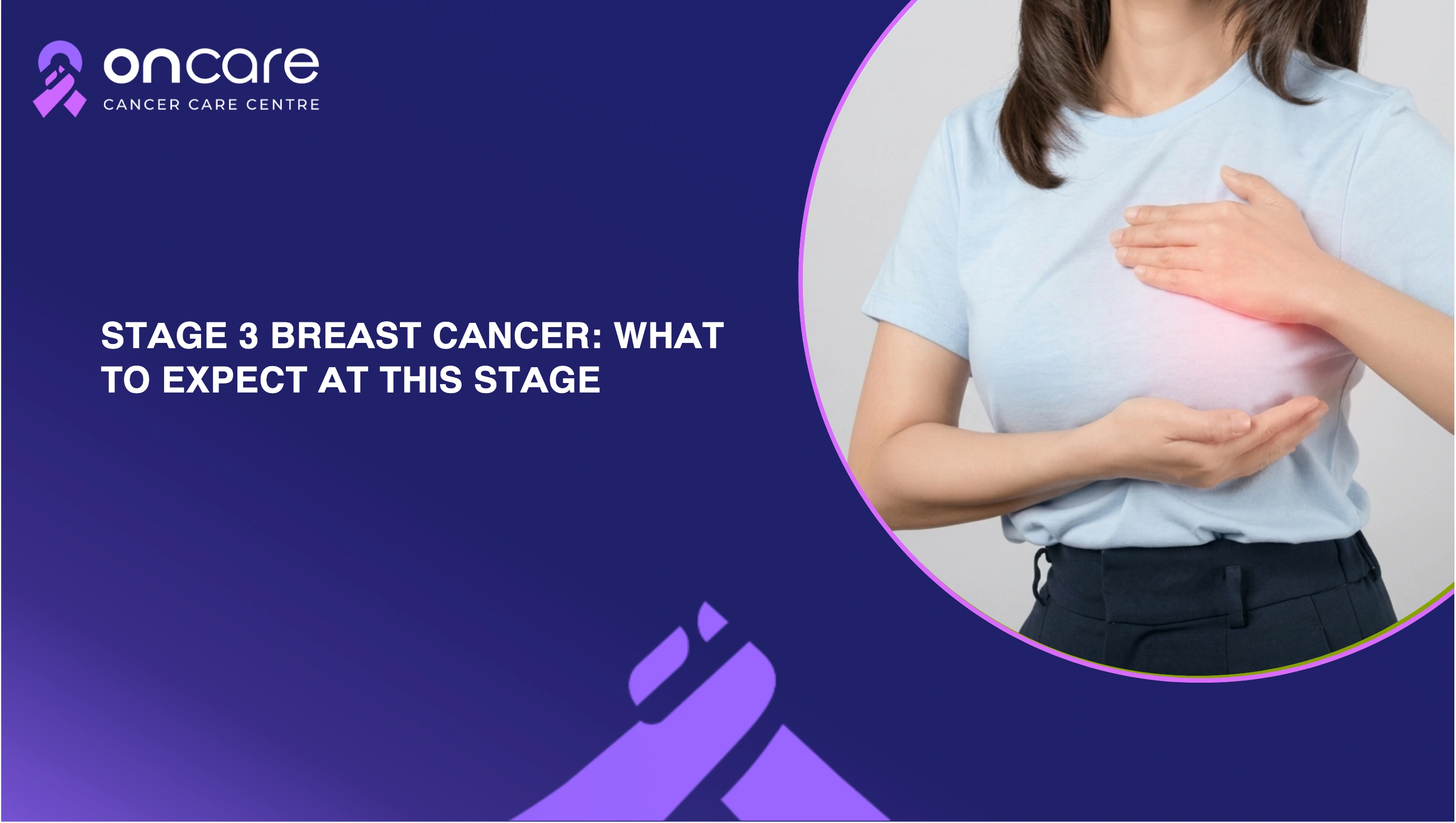
The stage of breast cancer is very important in deciding how to treat it. Stage 3 breast cancer is a more advanced version of the disease. This means that the cancer has progressed beyond the primary tumor in the breast. It's normal to feel overwhelmed and not know what to expect if you or a loved one has been diagnosed with stage 3 breast cancer. This stage may seem scary, but learning more about it can make you feel less scared.
This article will talk about what stage 3 breast cancer is, what treatments are available, and what you can expect at this point in the disease. The path may be hard, but with the correct information and help, many people go on to have happy lives.
What does Stage 3 Breast Cancer mean?
Breast cancer is divided into stages based on how far the cancer has spread. There are many types of stage 3 breast cancer based on how far the cancer has progressed to adjacent tissues or lymph nodes. At this point, the cancer has usually migrated to adjacent lymph nodes or the chest wall, but not yet to other regions of the body, such the liver, lungs, or bones.
At stage 3, the cancer has migrated to nearby tissues and possibly to lymph nodes in the armpit or near the breastbone. This means that it is locally progressed. Stage 3 breast cancer is still treatable, but it is harder to treat and usually needs more than one type of treatment, like surgery, chemotherapy, radiation, and targeted medicines.
Signs and Symptoms of Stage 3 Breast Cancer
The size of the tumor and how far it has progressed can change the symptoms of stage 3 breast cancer. Some of the most prevalent indications are:
- A firm, irregularly shaped lump or tumor in the breast that is easy to see.
- Soreness or pain in the breast or nearby area.
- Changes in the skin, such as redness, dimpling, or a rash around the breast.
- Lymph nodes that have grown too big might cause swelling in the armpit or near the collarbone.
- Changes in the nipple, such as inverting or leaking.
It's crucial to remember that not everyone with stage 3 breast cancer will have all of these symptoms. Some people may not even notice any signs until the disease gets worse.
Things to Do for Stage 3 Breast Cancer
Most of the time, people with stage 3 breast cancer have a mix of treatments to decrease the tumor, stop it from spreading, and keep it from coming back. The precise treatment strategy will rely on a number of things, such as the size of the tumor, where the cancer is, the hormone receptor status, and the patient's general condition.
Operation
Surgery is often part of the treatment plan for stage 3 breast cancer. The goal of surgery is to remove the tumor and, in certain cases, the lymph nodes that are nearby. Depending on the tumor's size and location, surgery may involve:
Lumpectomy: This means taking out the tumor plus a small quantity of healthy tissue around it. It is typically recommended when the tumor is localized, but it can also be utilized in conjunction with radiation therapy to eliminate residual cancer cells in stage 3 breast cancer.
A mastectomy may be necessary for more serious cases of stage 3 breast cancer. This implies removing the entire breast. This is especially true if the tumor is large or affects more than one area of the breast.
Doctors often take away lymph nodes around the breast to check for cancer spread. This helps you decide whether or not to have extra treatment.
Chemotherapy
Chemotherapy is a typical way to treat stage 3 breast cancer, especially if the cancer has progressed to the lymph nodes or other tissues. Chemotherapy medications kill cancer cells and stop the disease from spreading. It is commonly given before surgery (neoadjuvant chemotherapy) to make the tumor smaller and easier to remove, or after surgery (adjuvant chemotherapy) to get rid of any cancer cells that are still there and lower the risk of the cancer coming back.
Radiation Treatment
Radiation therapy uses high-energy radiation to kill cancer cells and is typically performed after surgery to get rid of any cancer cells that are still there. If the tumor was big or affected lymph nodes, radiation is frequently needed after a lumpectomy or mastectomy for stage 3 breast cancer. It can also be used to treat places where the cancer may have spread, including the lymph nodes or the wall of the chest.
Immunotherapy and targeted therapy
Targeted therapy and immunotherapy are innovative ways to treat cancer. They are typically used for stage 3 breast cancer to kill cancer cells without hurting good cells. These medicines are meant to stop certain chemicals from helping cancer grow and spread. Based on the tumor's genetic and molecular traits, targeted therapy may be suggested with other treatments.
What to Expect While Getting Treatment
Stage 3 breast cancer can be tricky to treat, and it may take a few steps. Everyone's experience is different, this is a general concept of what you can expect:
Help with emotions: It's really important to have folks who can aid you during your therapy. It's acceptable if you're fearful, worried, or overwhelmed. Talking to friends, relatives, support groups, or a counselor about how you feel might be helpful.
Chemotherapy and radiation can make you fatigued, sick to your stomach, lose hair, or change your complexion. These side effects are different for each person, but they usually go away on their own and can be handled with the help of your healthcare team.
Regular Monitoring: Your doctor will schedule regular check-ups and imaging tests to determine how well your treatment is working. These tests may include blood tests, mammograms, ultrasounds, or MRIs.
Consult Today
It can be hard to deal with a diagnosis of stage 3 breast cancer, but with the correct treatment plan, many people can get better and live healthy lives. Most of the time, treatment includes surgery, chemotherapy, radiation, and targeted therapy all at the same time. Early diagnosis, effective therapy, and strong emotional support along the journey are the keys to successfully managing stage 3 breast cancer.
Oncare Cancer Hospital offers the best care possible by leveraging the newest breakthroughs in cancer treatment. You may boldly confront the challenges of breast cancer with the correct support and treatment.
Frequently Asked Questions
The prognosis for stage 3 breast cancer depends on things including how big the tumor is, how far the cancer has progressed, and how well the treatment works. But with the correct care, a lot of women with stage 3 breast cancer enjoy long and healthy lives.
Even though stage 3 breast cancer is an advanced stage, it can still be treated, and many people go into remission with the correct treatment regimen. People don't always think of it as curable, yet with the right care, many people are able to manage the disease well.
Chemotherapy can make you tired, nauseous, lose your hair, and damage your immune system. These side effects are only transitory and can be controlled with medicine and help from your healthcare team.
It might be hard to deal with stage 3 breast cancer emotionally. Getting help from family, friends, or a therapist can help you deal with things. You can also find solace by joining a support group for people with breast cancer, where you will be around other people who understand what you're going through.
Book an Appointment
Related Blogs
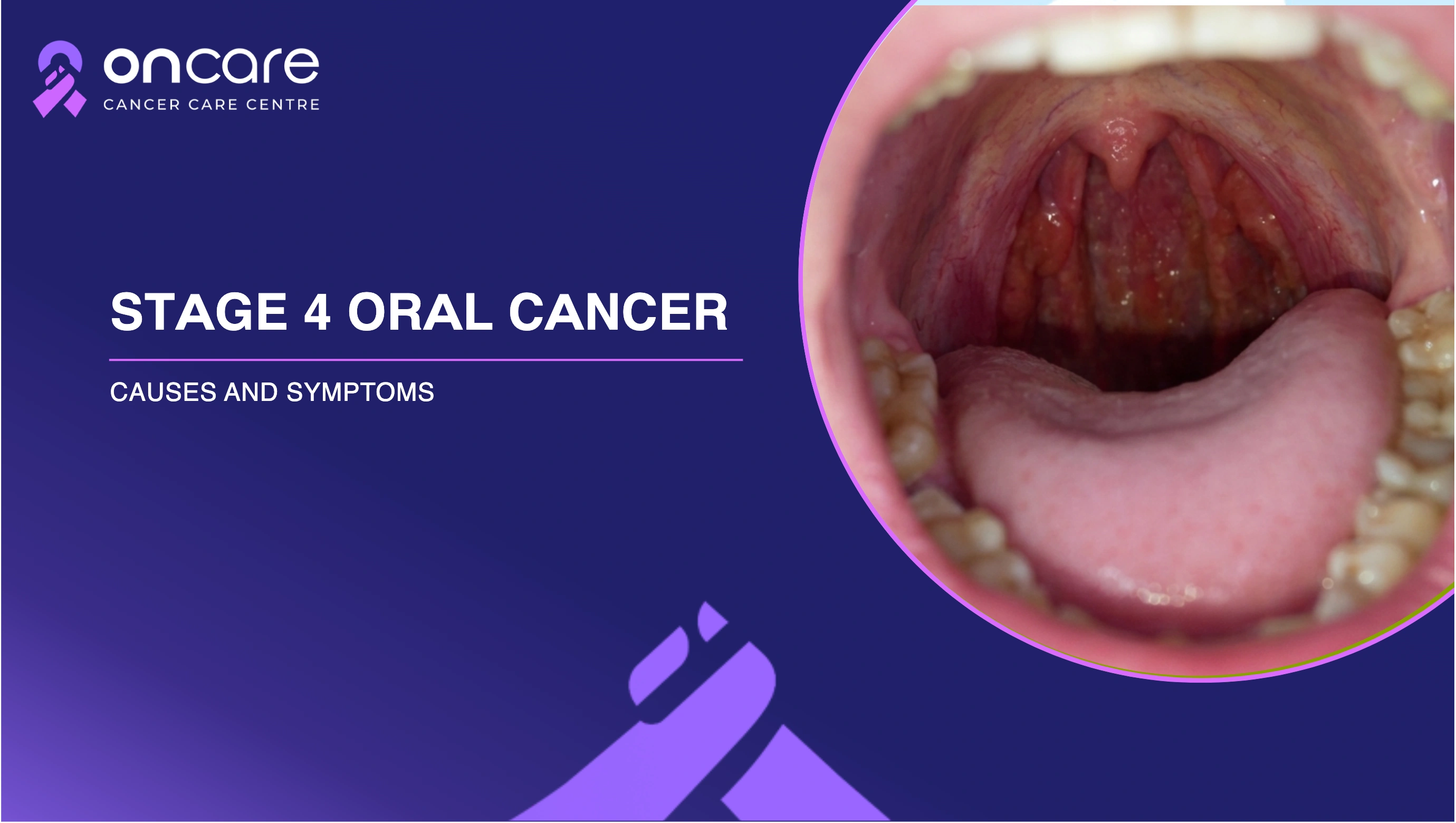
Stage 4 Oral Cancer: Causes and Symptoms
Learn about stage 4 oral cancer causes and symptoms, warning signs, risk factors, and when to see a doctor. Early action can improve treatment outcomes.
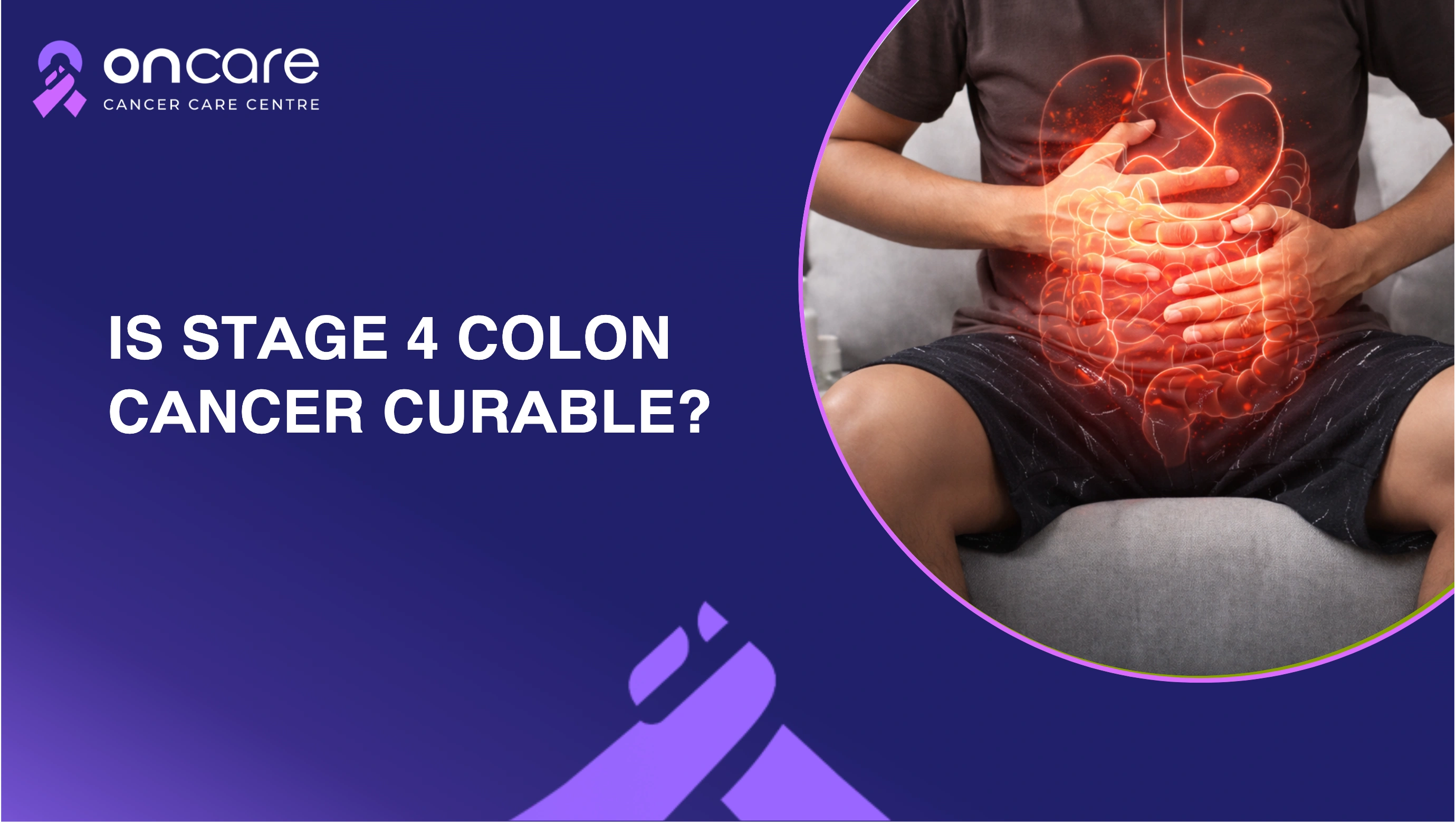
Is Stage 4 Colon Cancer Curable?
Is stage 4 colon cancer curable? Learn about treatment options and expert care. Consult Oncare Cancer Hospital today for advanced treatment and support.
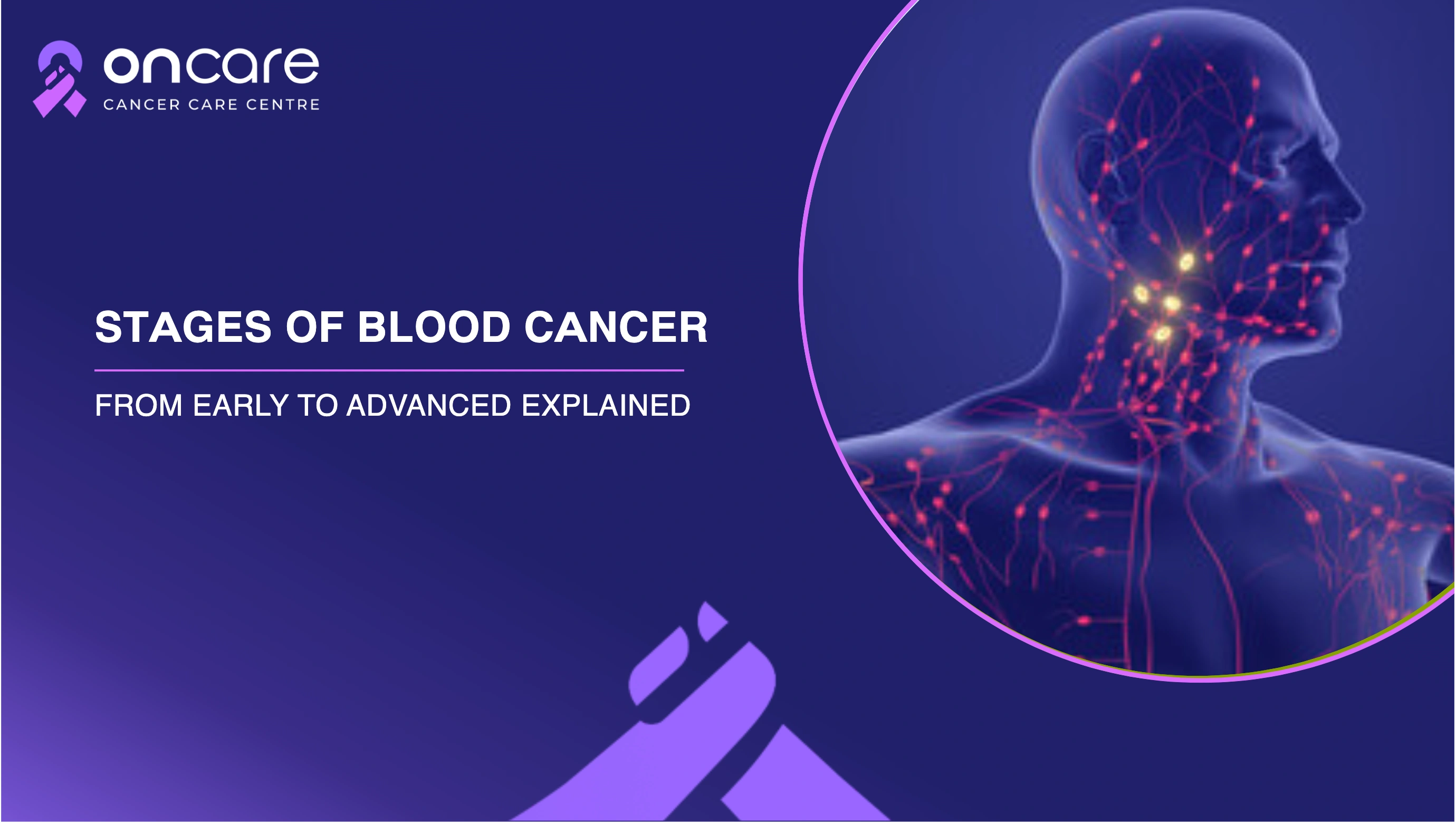
Stages of Blood Cancer: From Early to Advanced Explained
Learn about the stages of blood cancer in simple words, from early signs to advanced phases. Get clear guidance and expert care at Oncare Cancer Hospital.
Stage 3 Blood Cancer Treatment Options Explained
Discover more about stage 3 blood cancer treatments, including chemotherapy, targeted therapy, immunotherapy, and stem cell transplantation and its care options!