Table of Contents
Stage 2 Blood Cancer Management: What Patients Must Know

By Raveena M Prakash


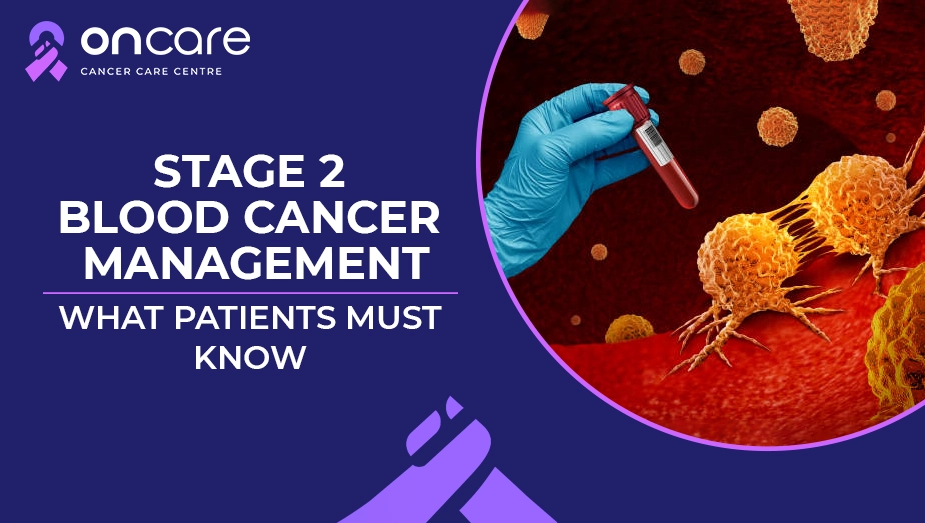
A new blood cancer diagnosis can be overwhelming, especially when you are trying to understand what stage 2 means and what comes next to patients in terms of symptoms, treatments, and chances of recovery. Stage 2 cancer is generally considered an early-stage blood cancer. With timely cancer treatment and proper disease management, many patients respond positively to the treatments and maintain a good quality of life.
In this article, we’ll discover more about stage 2 blood cancer and its symptoms, and the lifestyle management often required to help patients and their families, and helps to navigate the treatment journey with confidence.
Understanding Stage 2 Blood Cancer
Blood cancer is not a single disease, it includes several types of blood cancer, such as:
- Leukemia: This is a type of blood cancer that affects both blood and bone marrow.
- Lymphoma: This is a type of cancer that affects the lymphatic system.
- Multiple myeloma: This is a type of blood cancer that affects the plasma cells in the bone marrow.
The staging of blood cancer generally depends on the type and progression of the disease. While in stage 2 blood cancer, the cancer cells have increased in numbers when compared to stage 1 blood cancer, these diseases might affect multiple lymph nodes or areas.
The symptoms might start to become more noticeable and the cancer is still largely treatable and manageable compared to advanced stages of blood cancer.
Many cancer specialists determine this stage of cancer through a combination of blood tests, bone marrow examinations, imaging tests (CT/PET scan) and physical evaluations. Understanding the exact stage helps to create more personalised cancer treatments.
Common Symptoms in Stage 2 Blood Cancer
The stage 2 blood cancer symptoms can vary depending on the type of blood cancer. These signs are usually more persistent than in an earlier stage and might affect daily life.
The common signs may include:
- Fatigue and weakness
- Frequent infections
- Unexplained weight loss
- Fever or night sweats
- Swollen lymph nodes
- Easy bruising and bleeding
- Bone or joint pain
These symptoms can also be caused by some other health conditions. It's essential to get a consultation for any consistent or unusual activities happening in your body.
Treatment Options for Stage 2 Blood Cancer
The treatments depend on the type of blood cancer and patient specific factors. The common treatment approaches may include:
Chemotherapy
Chemotherapy is an effective cancer treatment designed to destroy cancer cells to stop them from multiplying. These treatments are often administered orally or intravenously in cycles. Many stage 2 blood cancer patients are closely monitored for side effects such as fatigue, nausea, or lowered immunity.
Targeted therapy
Targeted therapies attack the specific abnormalities in cancer cells without affecting the healthy cancer cells. These cancer cells can be used alone or with chemotherapy, often leading to less side effects.
Immunotherapy
Immunotherapy is used to strengthen the patient’s immune system to recognise and attack cancer cells. These treatments are effective in certain types of lymphoma and leukemia and may be combined with other treatments.
Radiation therapy
Radiation therapy is occasionally used to shrink enlarged lymph nodes to relieve pain. It can also help to reduce cancer cell growths loaded in localised areas of the body.
Stem cell or bone marrow transplant
For patients, whose disease does not respond well to an initial cancer treatment. A stem cell transplant might be recommended. This treatment includes replacing damaged or cancerous bone marrow with healthy stem cells.
Managing Side Effects During Treatment
The treatment options for blood cancer can be both emotionally and physically challenging. The side effect management is an essential part of cancer care.
The common treatment strategies for stage 2 blood cancer may include:
- Fatigue: Include proper rest periods, light exercise, and energy conversation methods.
- Nausea and appetite loss: Eating small and frequent amounts of foods, and using the medication prescribed.
- Infections: Practising a good hygiene routine, avoiding visiting crowded places, and getting consultations for frequent fever.
- Hair loss: Wearing silky scarves, hats or if needed wear wigs.
- Low blood counts: Practising regular monitoring of blood counts, if needed, gets transfusions, and avoids activities that lead to bleeding.
Having an open communication with your healthcare team and asking about the side effects of treatments often ensures timely medical interventions and reduces the further medical complications.
Nutrition and Lifestyle Support
A healthy diet and healthy lifestyle adjustments generally supports the treatments and complements the treatment outcomes.
Patients should focus on:
- A balanced diet: Include fruits and vegetables, lean proteins, and whole grains.
- Hydration: An appropriate water intake helps the body to cope up with the treatment.
- Avoiding the use of tobacco products: Limits the use of tobacco products and smoking cigarettes.
- Avoid the consumption of alcohol: To fasten the recovery patients should stop consuming alcohol.
- Practising gentle exercise: Follow gentle physical activities as advised by your energy.
- Follow a good sleep cycle: These support recovery and immune function.
If needed, consult a nutritionist, physiotherapist, and therapists to design your diet to plan for each patient’s unique needs.
Emotional and Mental Health Care
A blood cancer diagnosis impacts the emotional well-being and mental health of a patient and their family. Cancer diagnosis might create anxiety, depression, and stress are common and normal responses. Getting emotional support from family and loved ones generally improves the quality of life and even treatment outcomes.
Patients might benefit from:
- Professional counseling or therapy
- Cancer support groups
- Mindfulness and relaxation techniques
- Open communication with people you love
An holistic approach addresses both the mind and body of the patient and is essential for stage 2 disease management.
Importance of regular monitoring
Even after starting the cancer treatment, following regular monitoring and screening tests are considered crucial.
Practising regular monitoring helps to:
- Track how well the cancer treatment is working
- Detecting the side effects of treatments in early
- Understand the signs of relapse
- Adjust the cancer treatment plans immediately
Getting regular follow-ups usually involve blood tests, imaging tests, and practising physical examinations at scheduled intervals.
Living with Stage 2 Blood Cancer
Many cancer patients continue to work, study, and enjoy daily life during the treatment period. Some adjustments may be necessary; a proactive approach to cancer treatment, lifestyle, and emotional health allows patients to maintain an independence and a sense of normalcy.
With early medical intervention, consistent cancer treatments, and strong support, stage 2 blood cancer patients can face the disease with hope and resilience.
Consult Today
Stage 2 blood cancer is a serious type of blood cancer diagnosis, but it is also a treatable and manageable stage of cancer. Understanding the patient’s condition, following the treatment plan, maintaining emotional and mental health, and making certain lifestyle adjustments can greatly improve the treatment outcomes.
At Oncare, we offer premium-quality cancer treatments, including advanced cancer surgeries, at an affordable price range with an experienced cancer specialist consultation.
If you or any loved ones of yours are diagnosed with cancer, then visit Oncare Cancer Center and book an appointment with our experienced cancer specialist today. Get an estimated cost of your cancer treatments today!
Frequently Asked Questions
These may include leukemia, lymphoma, myeloma.
The symptoms of blood cancer may include chronic fatigue, weakness, easy bruising and bleeding, fevers, chills, night sweats, unexpected weight loss, swollen lymph nodes, bone or joint pain.
The diagnosis of blood cancer involves blood tests, bone marrow biopsy, and imaging tests.
Book an Appointment
Related Blogs
Stage 2 Ovarian Cancer Symptoms: From Mild to Severe Indicators
Discover more about stage 2 ovarian cancer and its symptoms, starting from mild to severe indicators of cancer, why these symptoms are missed, and why early detection matters!
How Fast Does Stage 4 Pancreatic Cancer Spread? Expert Insights
Learn how fast stage 4 pancreatic cancer spreads, its symptoms, affected organs, and treatment options. Easy, clear guidance to help patients and families understand.
Stage 1 Mouth Cancer: Risk Factors and How to Reduce Them
Learn about Stage 1 mouth cancer, early symptoms, major risk factors, and prevention tips. Early detection improves recovery. Get complete awareness here.
Stage 4 Stomach Cancer Treatment: Options & Outcomes
Learn about stage 4 stomach cancer treatment, including chemotherapy, targeted therapy, immunotherapy, radiation, surgery for symptoms, and supportive care to improve comfort.