Table of Contents
Small Cell Lung Cancer: Rapidly Growing But Treatable

By Raveena M Prakash


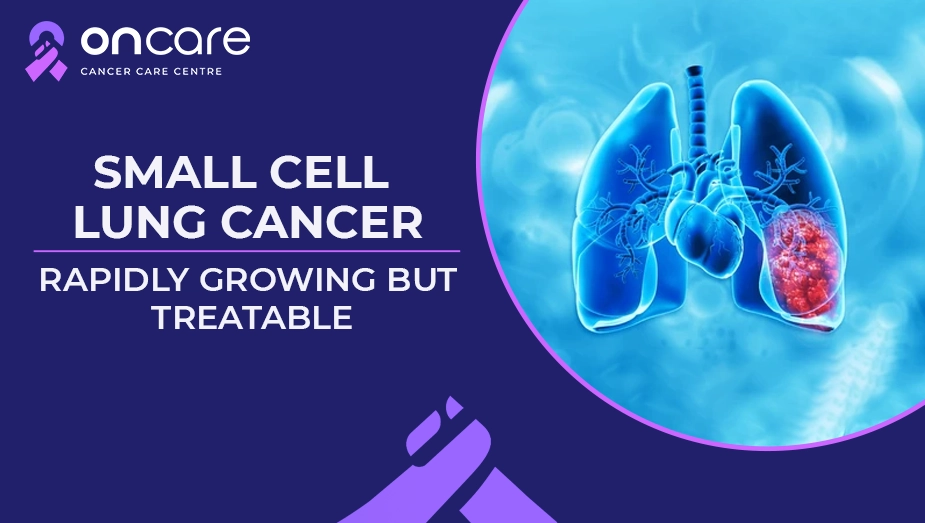
When most people hear the word ‘lung cancer,’ fear and uncertainty follow without any reason. Lung cancer is the most complex type of cancer, causing a large number of cancer deaths across the world. Among its types, small cell lung cancers are often known as aggressive types of cancer because they have the tendency to spread early. SCLC is highly responsive to effective cancer treatments, especially when diagnosed in early stages without any delay.
In this blog, we’ll discover more about how patients and their families can face this cancer with great clarity and hope.
What is Small Cell Lung Cancer?
Small cell lung cancer accounts for approximately 10-15% of all lung cancers. As its name comes from the small, round cancer cells that have been seen under the microscope. Unlike any non-small cell lung cancer, SCLC grows quickly and often spreads, or metastasizes, early to other parts of the body, including the brain, bone, and liver.
Small cell lung cancer is highly linked to smoking cigarettes, and it's often considered rare in people who have never smoked.
Why is it considered Aggressive
SCLC is mostly considered an aggressive type of cancer because of its rapid cell division and its early spread beyond the lungs. Many symptoms might appear suddenly and worsen quickly. In some cases, it can get worse, leading to diagnosis at a more advanced stage.
Here are some of the common symptoms include:
- Persistent cough
- Shortness of breath
- Chest pain
- Fatigue
- Unexplained weight loss
- Coughing with blood
- Wheezing
- Facial swelling
- Hoarseness
- Chronic cough that doesn’t go away or worsens
- Swollen neck veins
If you are experiencing these symptoms, then do not ignore them. Then consult with a physician immediately. Because SCLC can spread early, many cancer patients are diagnosed after the cancer has already reached other organs in the body.
SCLC: A Rapidly Growing Cancer, but Treatable
Despite their aggressive nature, these types of lung cancers are highly sensitive to chemotherapy and radiation therapy. Many patients experience a significant tumor shrinkage, symptom relief, and improved quality of life with early detection and effective diagnosis.
Treatment options
There are some effective treatments depending on many factors including the patient's age, overall health conditions, and stage of cancer.
Here are some of the treatment options, including:
- Chemotherapy: Chemotherapy is an effective cancer treatment, also known as the backbone of SCLC treatment. These can circulate throughout the body, which makes them effective against the cancer that has spread to other organs.
- Radiation therapy: These treatments are often used in limited-stage disease and sometimes in extensive-stage disease to relieve symptoms or target specific areas.
- Immunotherapy: These treatments have become an important addition, especially for extensive-stage SCLC. These specific drugs help the immune system to recognize and destroy cancer cells.
- Prophylactic Cranial Irradiation (PCI): Some patients respond well to these treatments, while preventive radiation might reduce the risk of cancer spreading to the brain.
New drug combinations, immunotherapies, and targeted treatment approaches are improving survival and offering renewed hope to both patients and their families. While SCLC remains a challenging issue, treatment outcomes today are better than they were decades ago.
Living with Small Cell Lung Cancer
A recent diagnosis of SCLC can be overwhelming, but many patients find strength through multidisciplinary care, which might include oncologists, pulmonologists, radiation oncologists, and supportive care teams.
Palliative care plays a vital role in managing symptoms such as pain, shortness of breath, and fatigue, often alongside an active cancer treatment. Additionally, if needed, get professional support from a psychologist. Strong emotional and mental support from loved ones plays a big role in recovering from this disease and living with it.
If you feel you may need to get counseling, or therapy, then never ignore those gut instincts also to feel better you can also join cancer support and survivor groups, do not hesitate to have an open communication with your loved ones and medical team, if you need help with chores or have an emotional support, then be vocal and its can make more meaningful difference in coping with these disease.
Importance of Early Detection and Smoking cessation
Small cell lung cancer progresses rapidly, while early detection can improve the treatment outcomes in patients. People with a heavy smoking history might benefit from diagnostic tests such as low dose CT screening, which can detect lung cancer before symptoms appear.
Many experts suggest that for people who smoke, quitting smoking can be considered the most preventive step to reduce the risk of lung cancer and improve treatment outcome. Additionally, it can improve treatment tolerance and overall health, even after getting the diagnosis.
Consult Today
Small cell lung cancer is a fast-growing and complex form of cancer, but yet it's still treatable. With modern cancer treatments, coordinated medical care, and strong support care teams, many patients start to experience more meaningful responses to treatment and improved quality of life.
At Oncare, we offer premium-quality cancer treatments, including advanced cancer surgeries, at an affordable price range with an experienced cancer specialist consultation.
If you or any loved ones of yours are diagnosed with cancer, then visit Oncare Cancer Hospital and book an appointment with our experienced cancer specialist today. Get an estimated cost of your cancer treatment today.
Frequently Asked Questions
Here are some of the symptoms of small cell lung cancer, including chest pain, discomfort, chronic cough that doesn’t go away or worsens, coughing up with blood, difficulty breathing, facial swelling, fatigue, hoarseness, loss of appetite, swollen neck veins, unexplained weight loss, and wheezing.
Here are some of the risk factors that cause small cell lung cancer, including exposure to radiation therapy from cancer treatments or imaging tests, exposure to radon gas, exposure to workplace industrial toxins, and a family history of lung cancer.
Here are some of the ways healthcare providers detect these cancers, including imaging scans, biopsy and bronchoscopy.
Book an Appointment
Related Blogs
Lung Cancer ICD-10: Accurate Coding for Diagnosis
Learn more about lung cancer, types of ICD codes for lung cancer, and the common coding errors to avoid, and the best practices for accurate lung cancer coding!
Stage 3 Lung Cancer: How It Spreads and What Happens Next
Learn more about lung cancer and stage 3 symptoms, how stage 3 lung cancer spreads, treatments and the side effects, and the importance of emotional impact!
Stage 1 Lung Cancer: Difference Between Stage 1A and 1B
Learn more about stage 1 lung cancer and understand the key difference between 1A and 1B lung cancer, its symptoms, its treatments, and the importance of early detection!
Stage 1 Lung Cancer Treatment Plan: What Patients Should Know
Discover more about stage 1 lung cancer and its treatment plans, lifestyle changes that support recovery, and the importance of emotional and psychological impact.