Table of Contents
How Does Age Affect Oral Cancer Survival Rate?

By Dr. Gajendra Kumar Himanshu


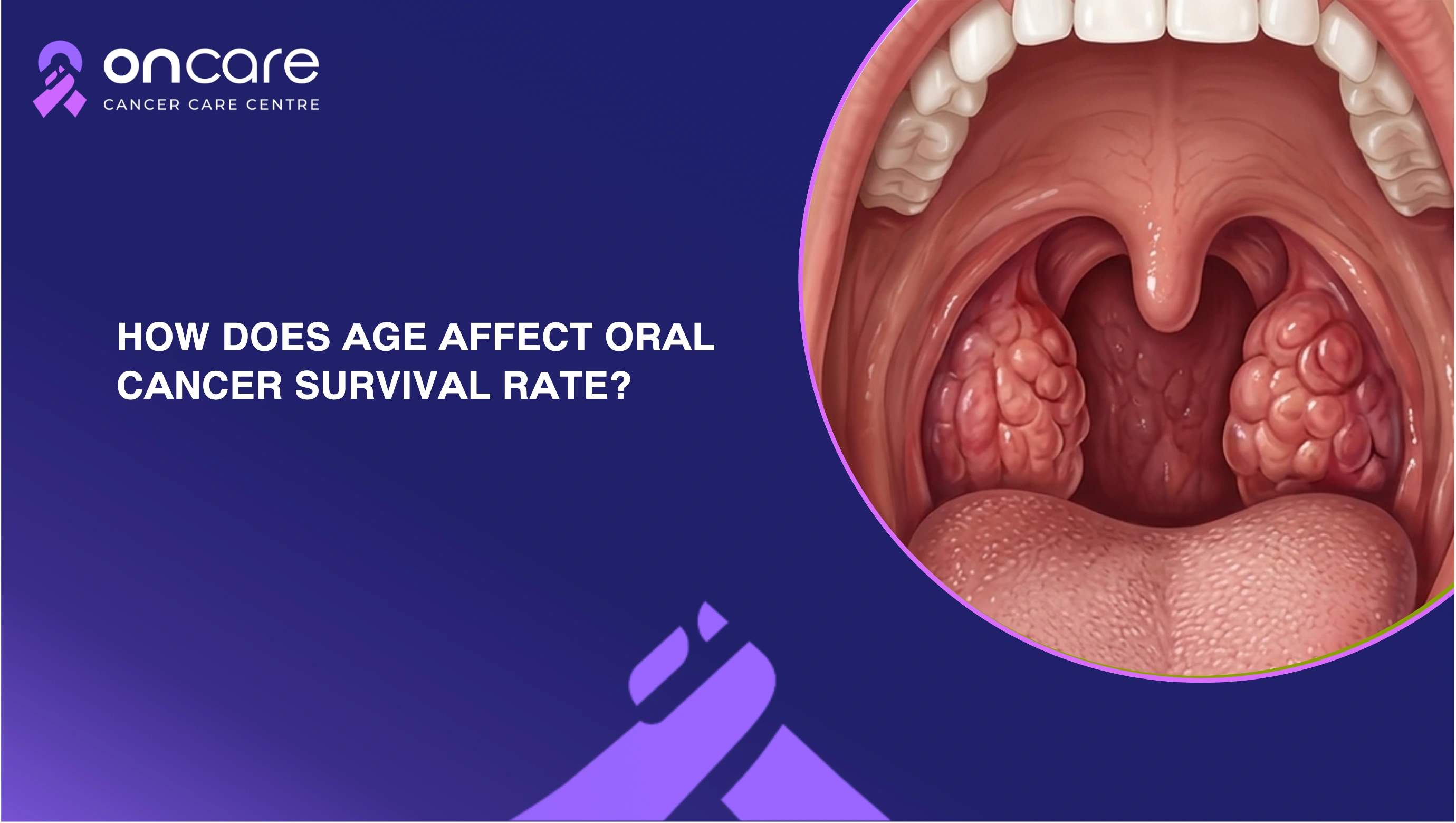
One of the first things people think about when they hear the word "cancer" is, "What are the chances of survival?" Age can have a big effect on the odds of people with oral cancer. Numerous studies indicate that the oral cancer survival rate by age varies, with younger persons exhibiting different outcomes than older patients.
Oral cancer is a very bad disease that affects the lips, tongue, mouth, and throat. Finding the disease early and treating it correctly can dramatically increase the chances of survival. But things including a person's overall health, lifestyle, and especially their age can affect how well they respond to treatment and influence the oral cancer survival rate by age.
Knowing how age impacts the oral cancer survival rate by age might help patients and their families make better choices about screening, treatment, and lifestyle modifications. This article will explain in simple terms how age affects survival rates and what patients can do to improve their odds.
Learning About Oral Cancer and Oral Cancer Survival Rate by Age
When cells that shouldn't be there grow in the mouth, oral cancer happens. These cells can create tumors on the tongue, gums, lips, or inside the cheeks, for example. If not treated quickly, the cancer can spread to other parts of the body and adjacent tissues.
The survival rate is usually the percentage of people who live for a set number of years after being diagnosed. A five-year survival rate is a common way for doctors to measure how well treatment is working.
Age can affect survival rates since younger and older patients often have distinct health problems, how their immune systems work, and how well they can handle treatment. Doctors study the oral cancer survival rate by age to figure out which groups might need more care or early screening.
Oral Cancer Survival Rate by Age in Younger Adults
In general, younger adults have a better chance of surviving than older persons. One factor is that younger people usually have greater health and stronger immune systems. Their bodies may heal more quickly after surgery, radiation, or chemotherapy, which can positively influence the oral cancer survival rate by age.
Another factor is that younger individuals may detect strange symptoms sooner and get medical care right away. One of the most essential things that can help people live longer is finding the disease early. Treatment for oral cancer is usually more effective when it is identified early.
But sometimes, young adults get mouth cancer because of things like smoking, drinking, or infections like HPV. Even though people in this group frequently live longer, it's still very vital to find out what's wrong and get the right therapy as soon as possible to improve the oral cancer survival rate by age.
Oral Cancer Survival Rate by Age in People in Their 40s and 50s
People in their 40s and 50s are more likely to get oral cancer because they have long-term behaviors like smoking or chewing tobacco. A lot of people between the ages of 40 and 60 get diagnosed with mouth cancer in several nations.
In this group, the oral cancer survival rate by age can change according to how early the cancer is found. If the disease is diagnosed in stages 1 or 2, people usually have a high chance of living.
But if the cancer is found later, therapy is harder. Regular dental examinations and being mindful of signs like mouth sores, lumps, or trouble swallowing might help middle-aged persons find out about the condition early and improve the oral cancer survival rate by age.
Oral Cancer Survival Rate by Age in Older Adults
Older folks may find it harder to deal with mouth cancer. The body's ability to heal and fight sickness may get worse as people get older. Older people may also have additional health problems, such as diabetes, heart disease, or high blood pressure.
Because of these things, treatment options may need to be changed. Older people may be more affected by surgery, radiation therapy, or chemotherapy than younger people.
Another problem is that older people could not notice or confuse the signs of oral cancer for other dental disorders. This can make it take longer to get a diagnosis and lessen the oral cancer survival rate by age.
Still, a lot of elderly patients do well with treatment when the cancer is found early. Getting the right medical care, eating well, and getting aid from healthcare professionals can all help make things better and support the oral cancer survival rate by age.
The Importance of Finding Out Early at Any Age
Early detection is one of the best methods to boost survival odds, no matter how old a person is. Small warning signals that may not seem serious at first are often the first signs of oral cancer.
Some common signs are a sore in the mouth that won't heal, white or red spots, pain in the mouth, trouble eating or swallowing, or swelling in the jaw or neck.
Regular trips to the dentist can help doctors spot these indicators early. During regular exams, dentists and other oral health professionals are taught to look for strange changes in the mouth.
Making healthy choices can help lower your risk of getting mouth cancer. To stay healthy and minimize your risk of cancer, you should not smoke, drink too much alcohol, brush your teeth regularly, and eat a balanced diet. These healthy habits can also support a better oral cancer survival rate by age.
Consult Today
Age is a significant factor that can affect the oral cancer survival rate by age; however, it is not the sole determinant. Early detection, prompt treatment, and maintaining a healthy lifestyle significantly enhance survival outcomes.
Younger people may heal more quickly, whereas older patients may need more cautious preparation for their therapy. But anyone, no matter how old, can improve their chances of survival by paying attention to signs and getting medical care right away.
Choosing the correct treatment center is highly crucial if you or someone you care about has oral cancer. Oncare Cancer Hospital has the best experts, the latest technology, and the best treatment options to assist patients in fighting oral cancer.
Frequently Asked Questions
The five-year survival rate for oral cancer varies depending on the stage at which it is diagnosed. If the cancer is found early, the chance of survival is about 70–80%. However, this number goes down if the disease spreads to other parts of the body.
Yes, age can have an effect on survival rates. Younger individuals usually get well faster and respond better to treatment. Older patients, on the other hand, may have underlying health problems that make treatment less effective.
Early indicators are mouth sores that don't heal, white or red spots in the mouth, pain, swelling, or trouble eating and swallowing.
Yes, if oral cancer is found early, it can generally be treated successfully. Getting the right treatment early on dramatically increases the odds of survival and improves the oral cancer survival rate by age.
Book an Appointment
Related Blogs
Key Factors That Affect the 5-Year Survival Rate of Oral Cancer Patients
Learn about the oral cancer survival rate, factors that affect survival, early detection, and treatment options. Get expert cancer care at Oncare Cancer Hospital.
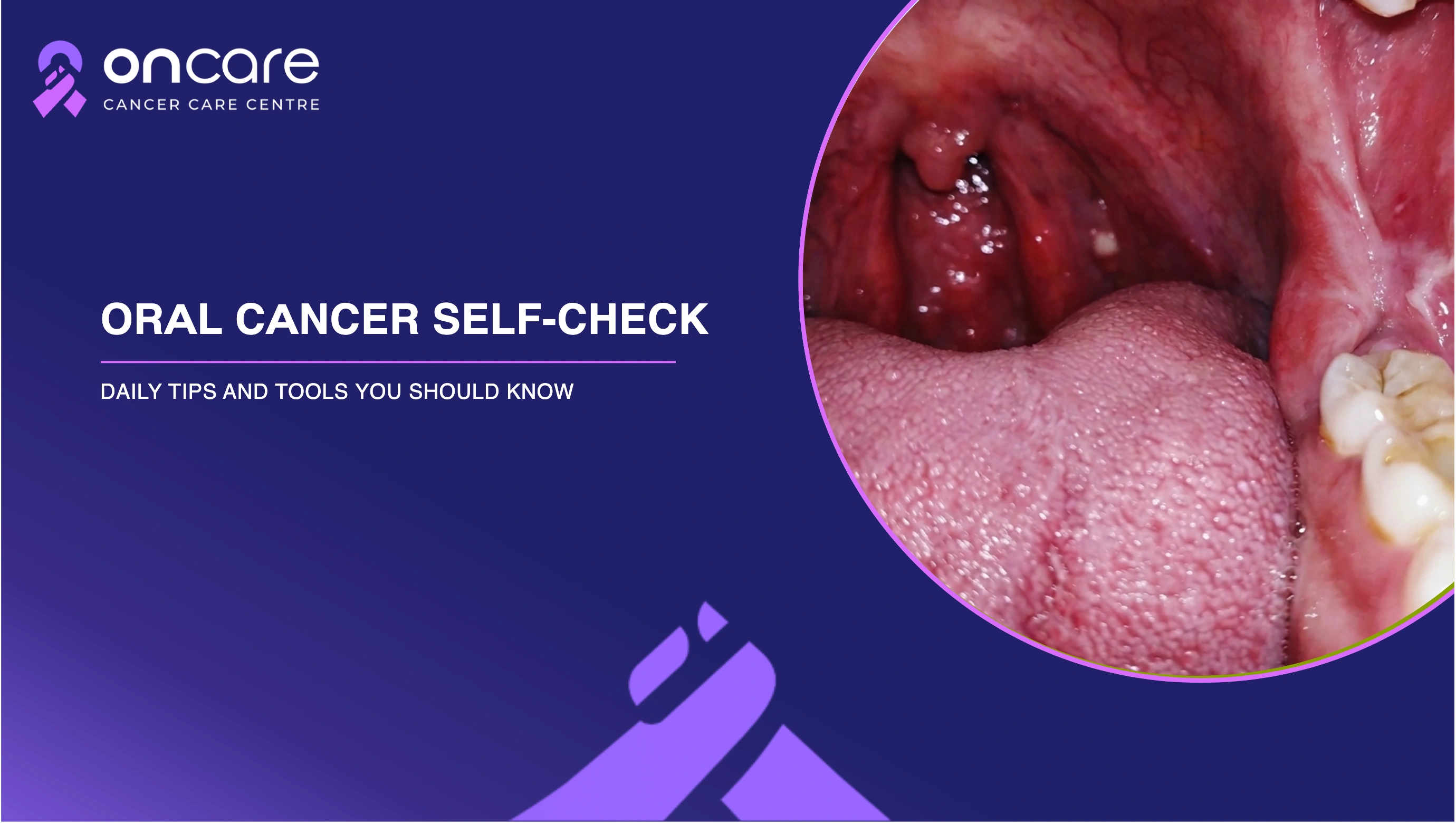
Oral Cancer Self-Check: Daily Tips and Tools You Should Know
Learn simple oral cancer self check tips to spot early signs in your mouth. Detect unusual patches, sores, or lumps early for timely treatment and care.
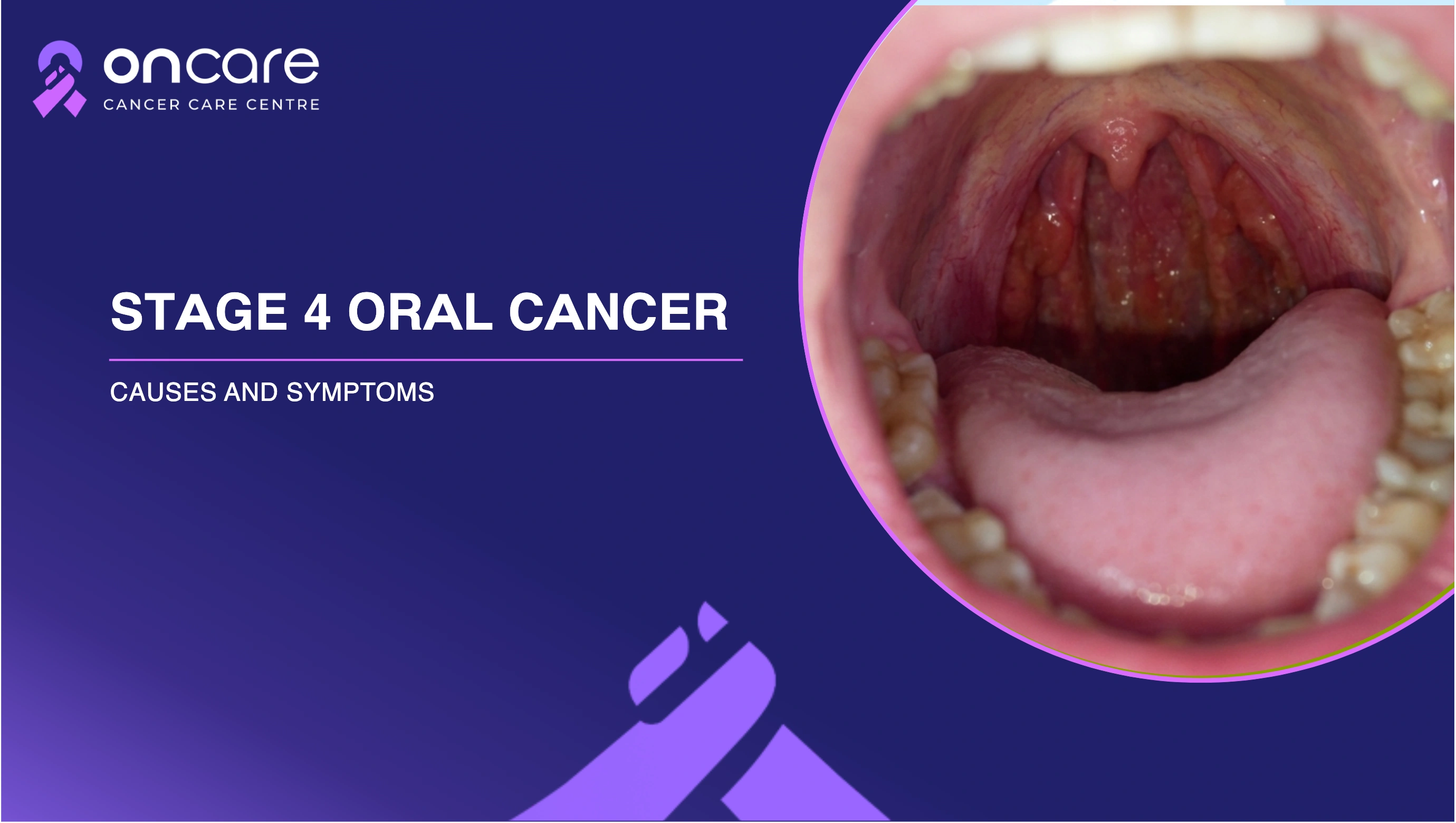
Stage 4 Oral Cancer: Causes and Symptoms
Learn about stage 4 oral cancer causes and symptoms, warning signs, risk factors, and when to see a doctor. Early action can improve treatment outcomes.
How to Check for Oral Cancer at Home?
Learn how to check for oral cancer at home. Spot early signs like sores or patches. Monthly self-checks and healthy habits can help prevent oral cancer.