Table of Contents
Oral Cancer Causes: Top Risk Factors You Should Know

By Raveena M Prakash


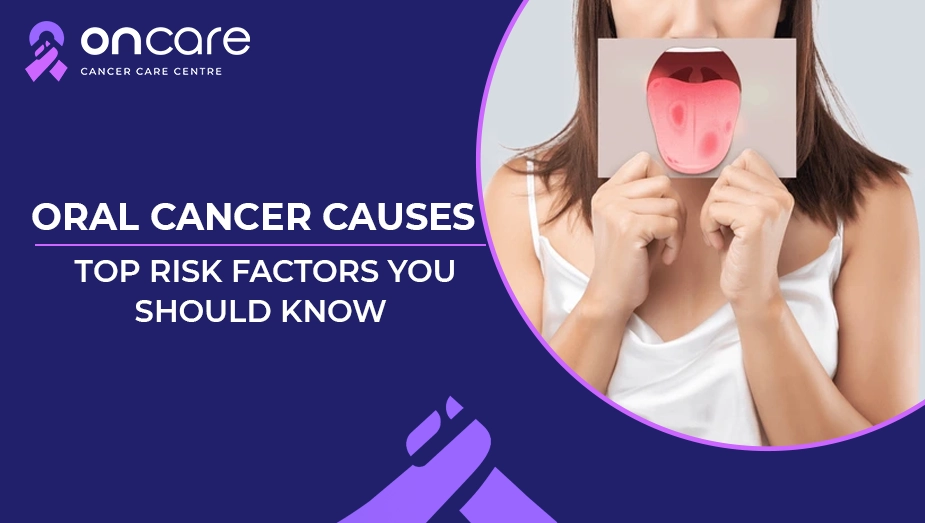
Oral cancer, also popularly known as mouth cancer, is a complex and increasingly common health condition that affects thousands of people across the globe. These types of cancers can develop in many parts of the mouth, including the tongue, cheeks, lips, roof of the mouth, and floor of the mouth. These cancers can affect the tonsils and back of the throat. Anyone can develop mouth cancer, but there are certain factors, exposures, and underlying health factors that can increase the risk in people.
In this blog, we’ll discover more about the top risk factors for oral cancer and why it matters and how you can protect yourself from oral cancer and its risks!
Top Risk Factors for Oral Cancer
Oral cancers won’t develop overnight; these are often caused by long-term exposure to certain lifestyle factors, environmental factors, and some genetic conditions. Understanding these risk factors is considered crucial. Taking preventive measures is a powerful step towards getting an early diagnosis and successful treatment outcomes.
Anyone can get affected by these cancers. People with these cancers have some habits or health conditions that will significantly increase the chance of developing cancer in the mouth, tongue, gums, and throat.
Tobacco Use
The use of tobacco and smoking cigarettes is considered the major risk factor for oral cancer. Whether chewing or smoking, the toxic substances contain chemicals that can damage the cells inside the mouth.
Types of tobacco increase the risk of developing this cancer:
- Cigarettes
- Cigars
- Pipes
- Chewing tobacco
- snuff
If you are someone who loves to smoke cigarettes or chew tobacco, then it can harm the delicate lining of the mouth and throat. The constant contact of toxic chemicals such as tar, nicotine, and formaldehyde can increase the risk of mutations that can lead to developing these cancers.
Heavy alcohol consumption
Alcohol is the second most common cause of developing oral cancer. Occasional drinking is not usually harmful, but heavy to regular consumption of alcohol can cause serious damage.
Here’s how alcohol increases the risk:
- It quickly dries out the mouth, weakens the natural defenses
- It starts to irritate the soft tissue, making it more vulnerable to toxins.
- These act as solvents and help tobacco chemicals start to penetrate deeper into the tissues.
People who drink alcohol and smoke cigarettes are at one of the highest risks of developing oral cancer.
HPV Infection
HPV, especially the high risk of HPV-16, is now considered a major cause of oropharyngeal cancer, which affects the tonsils, back of the throat, and base of the tongue. Other than tobacco- and alcohol-consumption-related cancers, HPV-related cancers are increasingly affecting the younger people.
Poor oral hygiene
Good oral hygiene is not only important for cleaned teeth, but it can also impact your cancer risk. People with poor oral health can cause chronic inflammation, which tends to weaken the body’s defenses and creates a place where the cancer can develop.
Here are some of the risk factors, including:
- Not brushing or flossing regularly
- Allowing tartar and plaque to develop
- Untreated gum diseases (periodontitis)
- Infections that are constantly ignored
- Sharp or ill-fitted dentures
Dentists might play a major role in early diagnosis of oral cancer. These are often the first to notice any suspicious patches, sores, or changes inside the mouth.
Excessive sun exposure
Many people won’t give enough attention to the lips, while lips are one of the most common areas for oral cancer, especially the lower lip. A long term exposure to UV rays significantly increases the risk of developing this cancer.
Tip: Use a lip balm with SPF and reapply throughout the day, which can help to reduce the risk of this oral cancer.
Poor diet
Nutrition plays a major role in our overall health, including oral health. A diet low in fruits and vegetables can deprive the body of essential antioxidants and vitamins that protect cells from damage.
Here are some nutrients that lower cancer risk, including:
- Vitamin C
- Vitamin E
- Beta- carotene
- Phytochemicals from leafy greens and vegetable
Avoid diets high in processed foods, sugary snacks, and fried foods that will increase the inflammation, which are also considered another risk factor for cancer development.
Age and gender
Oral cancer can occur at any age. This cancer becomes more common in people as people get older. Most cases are diagnosed in people over the age of 40. Men are more likely to develop these cancers than women because of alcohol consumption and tobacco use.
The gap is narrowing as lifestyle habits can change among women and HPV-related cases rise in younger adults.
Family history of oral cancer
There are certain lifestyle factors that are considered as the main contributors of oral cancer. Genetics also play a big role. A family history of oral cancer can slightly increase risk in people.
In some cases, patients inherit genetic traits that make the cancer cells more vulnerable to carcinogens. Others may have genetic conditions that make them more likely to develop infections and inflammations.
Weak immune system
A weak immune system due to any certain medical condition, medications, or treatments can make it harder for the body to fight off infections and repair damaged cells. People with compromised immunity are more likely to develop various types of cancer, including oral cancer.
Chronic irritation inside the mouth
If you are experiencing a long-term irritation in your mouth that does not directly cause any types of oral cancer. But it can definitely contribute to cellular damage and inflammation.
Here are some of the examples of chronic infection:
- Sharp or broken teeth
- Rough dental fillings
- Rough braces or dentures
- Habitual bitings of the cheek or tongue
If you are someone experiencing these irritations in the mouth, then fixing these issues can reduce the irritation and lower any kind of long-term risks.
How to reduce your risk of Oral Cancer
Understanding the cause of oral cancer is the first step towards taking a preventive measure against this cancer. These can eventually lower the risk of developing oral cancer in people.
Here’s how:
- Avoiding tobacco use in all its forms
- Limiting or stopping the consumption of alcohol
- Maintaining good oral hygiene
- Wearing SPF lip protection in the outdoors
- Eating plenty of fruits and vegetables
- Getting routine dental checkups
- Practice safe behaviors to reduce the risk of HPV infection.
Consult Today
Oral cancer, also occasionally known as mouth cancer, develops due to a combination of other lifestyle habits, environmental factors, additional infections like HPV, and some genetic factors. You cannot control every element, which increases the risk of developing this cancer, but it helps you make informed decisions that protect your oral and overall individual health.
At Oncare, we offer premium-quality cancer treatments, including advanced cancer surgeries, at an affordable price range with an experienced cancer specialist consultation.
If you or any loved ones of yours are diagnosed with cancer, then visit Oncare Cancer Center and book an appointment with our experienced cancer specialist today! Get an estimated cost of your cancer treatments today!
Frequently Asked Questions
Here are the most common surgeries for oral cancer are:
- Primary tumor surgery
- Glossectomy
- Mandibulectomy
- Maxillectomy
- Sentinel lymph node biopsy
- Neck dissection
- Reconstruction
Here are some of the symptoms of oral cancer, including:
- Mouth sores on the lip
- Sores that bleed easily
- Numbness
- Difficulty in chewing or swallowing
- Unintentional weight loss
- Ear ache
- Chronic bad breath
Oral cancer tests may include:
- Physical examination
- Brush biopsy
- Incisional biopsy
- Indirect laryngoscopy
- Pharyngoscopy
- Direct pharyngoscopy
- Laryngoscopy
Book an Appointment
Related Blogs
How to Prevent Oral Cancer: Expert Advice for Daily Protection
Discover more about oral cancer and how to prevent oral cancer, expert tips for daily protection against oral cancer risks, and when to seek medical support!
Oral Cancer Stages: Survival Rates and Treatment Approaches
Explore more about oral cancer stages and stage-wise survival rates, treatment approaches, prevention, and the importance of early detection and why it matters!
How to Identify Oral Cancer Symptoms at an Early Stage
Discover more about how to identify oral cancer symptoms at an early stage, risk factors, why early detection matters, and what to do when you experience the symptoms of this cancer.
Types of Oral Cancer: From Lip to Tongue and Beyond
Discover more about the types of oral cancer, from lip to tongue cancer and beyond, and risk factors for oral cancer and early warning signs to look out for.