Table of Contents
Is a Black Spot on the Tongue a Symptom of Oral Cancer?

By Prashant Baghel


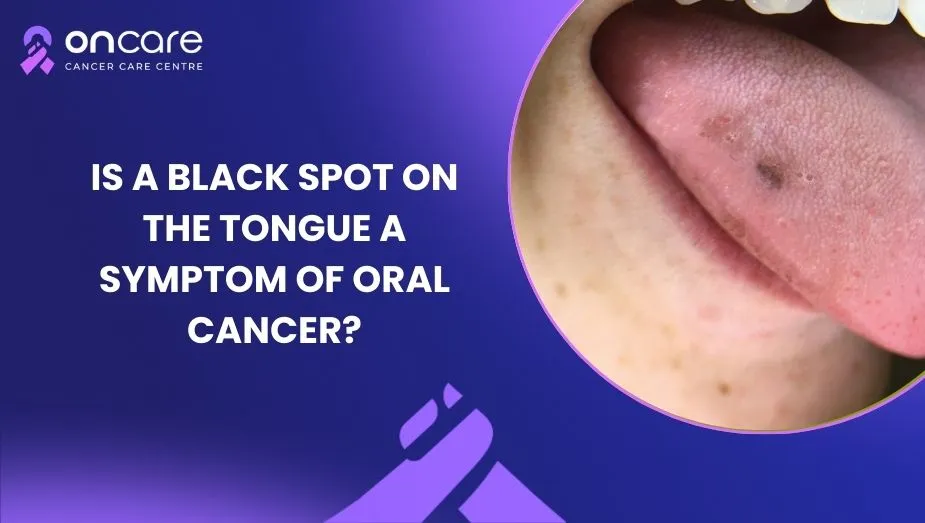
It can be scary to see a black spot on your tongue. A lot of people go online right away to look for answers and think, “oral cancer black spot on tongue, could this be serious?” It's scary when the color or texture of our tongue changes because it's such an important part of our mouth. Some black spots are not dangerous and will go away on their own, but others may need to see a doctor.
This article will use very simple and easy-to-understand language to explain everything. We'll help you figure out what a black spot on your tongue means, when it's normal, when it could be a warning sign, and how it may or may not be related to oral cancer black spot on tongue.
What Is Cancer of the Mouth?
Oral cancer is a kind of cancer that starts in the mouth. It can hurt the tongue, gums, lips, cheeks, roof of the mouth, and floor of the mouth. Cancer happens when cells grow in a way that isn't good for them and don't stop growing. These cells can eventually make a lump, sore, or patch that won't go away.
Oral cancer can change the way a person eats, talks, and lives their daily life. Treatment is often successful if the disease is found early. This is why it's important to pay attention to changes, like a black spot on your tongue, especially when people worry about oral cancer black spot on tongue.
What Does a Black Spot on Your Tongue Mean?
A black spot on the tongue can look different for different people. It could be small or big, flat or raised, and it could hurt or not hurt. It can show up all at once or grow slowly over time. Not every dark spot is a sign of cancer. In fact, many causes are not dangerous.
But since the tongue is one of the most common places for oral cancer, doctors take any dark spot that lasts a long time very seriously. Knowing what might have happened can help you feel less scared and make the right choice when thinking about an oral cancer black spot on tongue.
A Black Spot on the Tongue That Isn't Cancer
There are many reasons why a black spot on the tongue might not be cancer. A lot of these things are not dangerous and will go away on their own. If you know what they are, you can be less afraid and know when a black spot on your tongue isn't related to oral cancer.
Black Spots: What Causes Them Every Day
Bacteria can grow if you don't brush your teeth well, which can cause dark spots. Your tongue can get stained and have black or brown spots if you smoke or chew tobacco. Your tongue can also change color if you drink a lot of coffee or tea.
Changes that are only temporary and go away on their own
Antibiotics and some other drugs can change the color of your skin for a short time. When you hurt yourself, like by biting your tongue or burning it with hot food, it can leave a dark mark. In these cases, the black spot usually goes away on its own and has nothing to do with the black spot on the tongue that is a sign of oral cancer.
When a Black Spot Could Mean Something Is Wrong
Some black spots are not harmful, but some do need to be looked at. If a black or dark spot doesn't go away after two weeks, you should see a doctor or dentist. If the spot gets bigger, hurts, bleeds, or feels hard, it could mean that something is wrong.
Oral cancer can sometimes show up as a dark patch on the tongue, especially in the early stages. This is why people often look for oral cancer black spot on tongue. At first, these patches might not hurt, which makes them easy to ignore.
Why a Black Spot Can Show Up in Oral Cancer
Oral cancer affects how cells grow and act. Cancer cells can sometimes make pigment or cause bleeding under the skin, which can make a black or dark spot. There are a lot of blood vessels in the tongue, which can make color changes easier to see.
Spots that are related to cancer usually don't go away on their own. They might feel rough, thick, or different from the tissue around them. Doctors say to check any strange changes in your tongue early, especially when oral cancer black spot on tongue is a concern.
Things That Make You More Likely to Get Oral Cancer
Some habits and situations make it more likely that you will get oral cancer. Using tobacco, whether smoking or chewing it, is one of the biggest risks. Regularly drinking alcohol also raises the risk, especially when combined with smoking.
Bad oral hygiene, a weak immune system, and long-term irritation in the mouth can also cause problems. Another known risk factor is getting HPV. Oral cancer is more common in people over 40, but younger people can also get it.
Signs That Could Come With a Black Spot
If a black spot on the tongue is serious, it may come with other symptoms. These can be a sore that doesn't heal, pain in the mouth, trouble chewing or swallowing, or numbness in the tongue. Some people notice that their speech has changed or that something is stuck in their mouth.
If the cancer spreads, it can also cause the neck or jaw to swell. If you see more than one symptom and a black spot, you need to see a doctor right away, especially if you are worried about oral cancer black spot on tongue.
How Doctors Look at a Black Spot on the Tongue
Most of the time, doctors start by looking closely at the mouth. They might want to know how long the spot has been there and if it has changed. The doctor may suggest a biopsy if the spot looks suspicious. This means getting a small piece of tissue and sending it to a lab for testing.
The test helps determine if the spot is cancerous or not. Early testing can save lives because oral cancer is much easier to treat when it is found early.
Things You Can Do to Treat Oral Cancer
The stage and location of the cancer will determine the treatment. Surgery to remove the affected area may be used to treat early-stage oral cancer. Radiation therapy or chemotherapy may be necessary in more advanced instances.
Modern treatments don't just get rid of cancer; they also try to keep people from losing their ability to speak, eat, and live a good life. Many patients get better with the right medical care.
Is It Possible to Stop Oral Cancer?
You can't stop all cases of oral cancer, but you can lower your risk. Avoiding tobacco and drinking less alcohol are very important things to do. Regular visits to the dentist and keeping the mouth clean can help find problems early.
Eating well, protecting the immune system, and going to the doctor for regular checkups are also important. Paying attention to changes in the mouth, like a black spot on the tongue, can help find problems early related to oral cancer black spot on tongue.
Living With Awareness but Not Panic
A black spot on your tongue doesn't mean you have cancer right away. Most of the time, the cases are not serious and can be treated. But it's not a good idea to ignore the spot. Knowing is better than being afraid.
It's comforting to know when to wait and when to see a doctor. It's always a good idea to get something checked out if it feels strange or lasts too long.
Consult Today
So, does having a black spot on your tongue mean you have oral cancer? It can be sometimes, but most of the time it isn't. The phrase oral cancer black spot on tongue brings up an important issue, but only a doctor can say for sure what the cause is. Most black spots are not dangerous, but if they don't go away or change over time, you should see a doctor.
Oncare Cancer Hospital has the latest technology for diagnosing oral cancer, as well as experienced doctors and treatments that are easy on patients. Oral cancer can be treated successfully if it is found early and the right care is given. This helps patients get back to living healthy, confident lives.
Frequently Asked Questions
Yes, a lot of black spots are not dangerous and are caused by staining, injury, or not brushing your teeth well.
You should see a doctor or dentist if a black spot doesn't go away in two weeks.
Oral cancer doesn't hurt much in the beginning, which is why it's important to get checked out regularly.
Yes, if oral cancer is found and treated early at a special place like Oncare Cancer Hospital, it can often be cured.
Book an Appointment
Related Blogs
Oral Cancer Causes: Top Risk Factors You Should Know
Discover more about oral cancer causes, risk factors for oral cancer, starting from tobacco use to HPV infection, and how to reduce your risk of this cancer!
How to Prevent Oral Cancer: Expert Advice for Daily Protection
Discover more about oral cancer and how to prevent oral cancer, expert tips for daily protection against oral cancer risks, and when to seek medical support!
Oral Cancer Stages: Survival Rates and Treatment Approaches
Explore more about oral cancer stages and stage-wise survival rates, treatment approaches, prevention, and the importance of early detection and why it matters!
How to Identify Oral Cancer Symptoms at an Early Stage
Discover more about how to identify oral cancer symptoms at an early stage, risk factors, why early detection matters, and what to do when you experience the symptoms of this cancer.