Table of Contents
Is Lung Cancer Screening Right for You?

By Prashant Baghel


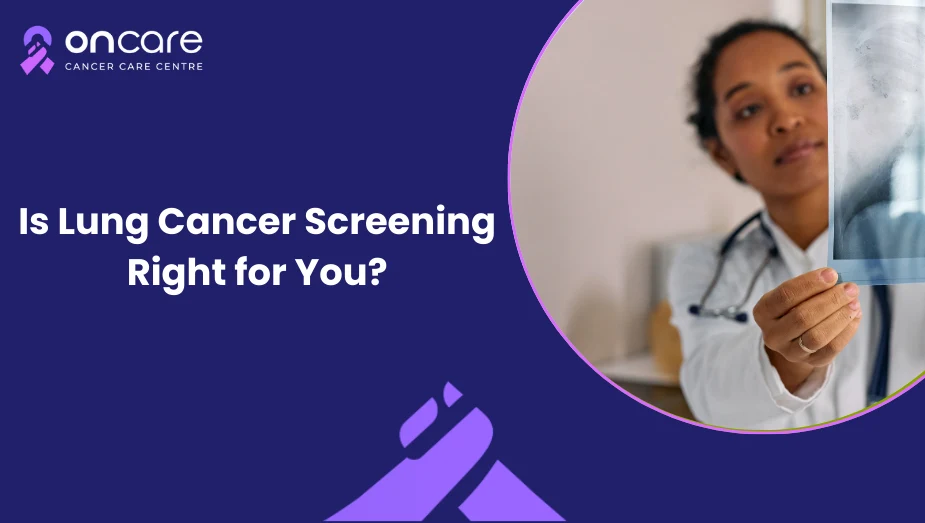
Most people feel fine until one day they don't. Lung cancer is one of those diseases that often grows slowly and without obvious signs in the beginning. By the time you start to cough all the time or have trouble breathing, the cancer may have already spread. This is when lung cancer screening becomes very important. Screening can find lung cancer early, even before any signs appear. But not everyone should get screened.
This article will explain lung cancer screening in simple, easy-to-understand terms. You will learn about lung cancer screening, who should consider it, its pros and cons, and how to determine if it is right for you.
What Is Lung Cancer Screening
Lung cancer screening is a medical test that looks for lung cancer in people who don't have any symptoms yet. The goal is to find cancer early, when treatment works better, and the chances of living longer are higher.
A low-dose CT scan of the chest is the most common test used to check for lung cancer. This scan uses a small amount of radiation to make clear pictures of the lungs. It doesn't hurt, doesn't take long, and doesn't need any needles or surgery.
Why Lung Cancer Is Often Found Late Without Screening
In the early stages, lung cancer usually doesn't show any signs. The lungs don't have a lot of pain nerves, so small tumors can grow without hurting. People often mistake the symptoms for common problems like infections or allergies when they do show up.
Because of this, a lot of people don't find out they have cancer until it has already spread. Lung cancer screening helps break this pattern by finding cancer before symptoms show up.
Who Should Consider Lung Cancer Screening
People who are more likely to get lung cancer should get screened for it. This usually includes adults in a certain age group who have been smoking for a long time.People who smoke now or have quit in the last few years are more likely to get sick. The risk also goes up with the number of years and the amount of time someone has smoked. Lung cancer screening may still be helpful for someone who is in a high-risk group, even if they feel perfectly fine.
Smoking and Lung Cancer Screening Risk
The main reason people get lung cancer is that they smoke. Over time, tobacco smoke hurts lung cells, which can cause cancer. The risk goes up the longer and more heavily a person smokes.
People who have quit smoking still have some risk, especially if they smoked for a long time. Lung cancer screening is especially helpful for people who smoke now or used to smoke because it can find cancer early, when it is easier to treat.
Age and Lung Cancer Screening Decisions
Your age is a big factor in whether or not lung cancer screening is right for you. Damage to lung cells over many years usually leads to lung cancer. This is why screening is more helpful for older adults who have been around risk factors like smoking for a long time.
Younger people who don't have any risk factors don't usually need lung cancer screening because their chance of getting lung cancer is very low.
Benefits of Lung Cancer Screening
The best thing about lung cancer screening is that it can find the disease early. When lung cancer is found early, treatments work better and are less harsh. In the early stages, surgery, targeted therapy, or limited treatment may be all that is needed.
Finding it early also helps people live longer and better lives. A lot of research has shown that lung cancer screening can lower the chance of dying from lung cancer in people who are at high risk.
Limits of Lung Cancer Screening
Lung cancer screening can find small lumps or nodules in the lungs. Some of these could be cancer, but others might not be. Screening helps doctors figure out which results need more tests and which ones can be safely watched.
Screening, on the other hand, does not stop lung cancer. It also can't find every type of cancer. This is why lung cancer screening works best when you also make healthy choices, like quitting smoking.
Risks of Lung Cancer Screening Tests
Lung cancer screening, like any other medical test, has some risks. Low-dose CT scans use radiation, but not much of it. For people who are at high risk, the benefits of finding cancer early usually outweigh this risk.
Another worry is false positives. This means that the scan might show something that looks bad but isn't cancer. This could make you anxious and may mean you need more tests. But doctors are trained to handle these kinds of situations with care.
What Happens After an Abnormal Lung Cancer Screening Result
If a lung screening scan finds something strange, it doesn't mean you have cancer right away. Infections, scars, and other non-cancerous conditions can cause a lot of lung nodules.
After a few months, doctors may suggest more scans to see if the nodule has changed. In some cases, more tests, like PET scans or biopsies, may be necessary. To avoid doing things that aren't necessary, the process usually goes step by step.
How Often Is Lung Cancer Screening Needed
Most people who are eligible for lung cancer screening only need to have it done once a year. Getting screened every year makes it more likely that cancer will be found early if it does develop.
Not going to screenings or stopping early can make them less helpful. Following your doctor's advice and getting regular checkups is very important.
Lung Cancer Screening for Non-Smokers
Most lung screening programs target smokers and former smokers due to their elevated risk. Non-smokers don't usually need regular screenings unless they have other strong risk factors, like being around secondhand smoke or asbestos for a long time or having a family history of lung cancer.
If you don't smoke but are worried about lung cancer, the best thing to do is talk to your doctor about your own risk.
Emotional Impact of Lung Cancer Screening
Thinking about getting screened for cancer can be stressful. Even if you feel fine, waiting for results can make you anxious. It's normal to be nervous during this time.
Fear can be lessened by being honest with healthcare providers and knowing what the screening results mean. Keep in mind that lung cancer screening is done to keep you healthy, not to make you worry.
Doctor Guidance for Lung Cancer Screening
There is no one right way to decide whether or not to screen for lung cancer. A doctor can help you figure out how likely you are to get sick, tell you about the pros and cons of lung cancer screening, and help you decide if it's right for you.
When you and your doctor make decisions together, you can be sure that screening is done in the safest and most effective way.
Lifestyle Changes Alongside Lung Cancer Screening
Lung screening works best when you also do other healthy things. The best way to lower the risk of lung cancer is to stop smoking. Lung health is also helped by working out regularly, eating a balanced diet, and staying away from air pollution.
Screening should be seen as a tool to help, not a way to avoid making healthy choices.
Consult Today
Screening for lung cancer can save lives by finding the disease early, but it is not for everyone. It is most helpful for people who are more likely to get sick, like long-term smokers and former smokers. Knowing about lung cancer screening can help you make an informed decision about your health.
Oncare Cancer Hospital offers complete lung cancer care with experienced specialists, modern imaging, and patient-centered treatment plans that are designed to get the best results.
Frequently Asked Questions
No, lung cancer screening doesn't hurt and usually only takes a few minutes.
Yes, lung cancer screening can find lung cancer early, before symptoms show up.
Low-dose CT scans use very little radiation, and for people who are at high risk, the benefits outweigh the risks.
Lung cancer screening is still helpful for many people who used to smoke. A doctor can help you decide based on how long you've been smoking and how old you are.
Book an Appointment
Related Blogs
What Are the Causes of White Lung Cancer (Asbestosis)?
White lung cancer is mainly caused by long-term asbestos exposure and asbestosis. Discover its causes, risk factors, and early warning signs.
Stage 4 Lung Cancer Treatment: Palliative Care and Quality of Life Tips
Learn more about Stage 4 lung cancer and its symptoms, treatments, role of palliative care, and tips for improving the quality of life and comfort for patients
Stage 4 Lung Cancer Symptoms: Critical Warning Signs
Learn more about Stage 4 lung cancer and important warning signs to watch out for, emotional and mental health symptoms, and managing symptoms and quality of life!
Stage 4 Lung Cancer: Advanced Signs and Management
Learn more about stage 4 lung cancer and its symptoms, diagnosis, staging, treatments, how to manage symptoms, lifestyle adjustments, and living with this cancer!