Table of Contents
Lung Cancer First Stage Symptoms: Understanding the Initial Phase

By Prashant Baghel


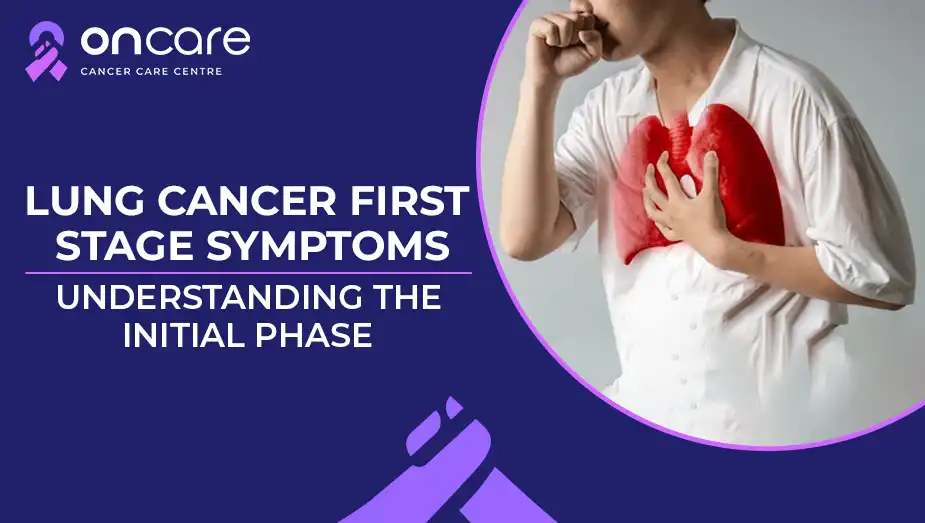
The body sometimes gives quiet signals long before a serious illness shows up. It's easy to ignore these warnings because they seem like small problems that happen every day. The same thing happens with the first signs of lung cancer. At first, the signs are so mild that most people think they're just tired, have a small infection, or have a normal cough. But the truth is that catching lung cancer first stage symptoms early can make a big difference. The disease is easier to treat, people get better faster, and their chances of beating it are much higher.
This article talks about the first stage of lung cancer in a way that is easy to understand and friendly. If you or someone close to you has these symptoms for weeks, you should see a doctor. Taking action early can keep you healthy and even save your life.
What Happens in the First Stage of Lung Cancer
At this stage, lung cancer is still small and inside the lungs. It hasn't moved to other parts of the body. This is the stage where treatment works best. The problem is that the first signs of lung cancer are often very mild. You don't feel very sick right away because the lungs can still work even if a small part is damaged.
Knowing how lung cancer acts in this early stage can help you make better choices. You can do something about the cancer before it grows or spreads if you know these early signs.
Understanding lung cancer first stage symptoms helps you respond in time.
A Cough That Is Light but Lasts
A soft, dry cough that won't go away is one of the first things many people notice. You might have to clear your throat a lot. You might cough more at night or in the morning. Most people think this cough is just a result of the cold, pollution, or allergies because it doesn't feel serious.
But a cough that lasts for weeks, especially if there isn't a clear reason for it, could be one of the lung cancer first stage symptoms. The cough isn't very bad, but it lasts longer than usual.
Sudden Trouble Breathing
You might start to feel out of breath during things that used to be easy for you. You might feel like you need to breathe more deeply. You might get tired sometimes when you walk quickly or climb stairs. This happens because the lungs aren't working as well as they should.
In the beginning, shortness of breath isn't very strong, but you can tell it's there. If this goes on for weeks, it could mean that something is hurting your lungs from the inside and may be part of lung cancer first stage symptoms.
Pain or discomfort in the chest
Initially, lung cancer could only cause a little pain in the chest. It could feel like pressure, tightness, or a little pain. The discomfort may come and go, and it may not be too awful. Some individuals assume it's the same as being acidic, having sore muscles, or being stressed.
But you should visit a doctor immediately if you experience chest pain that lasts for weeks. Even if the pain isn't very terrible, it could be one of the first indicators of lung cancer.
Sounds of Breathing Changing
Some folks hear a gentle whistling sound as they breathe. Some people claim that their breathing is heavier than normal. The tumor can make the airway narrower, which is why these alterations occur.
It might be a soft sound, but if it keeps happening, you should see a doctor about your lungs. These alterations in breathing might potentially be a sign of the earliest stage of lung cancer.
Being tired that doesn't feel right
You might still feel fatigued even after resting if you have early lung cancer. It could feel like your body doesn't have as much energy as it used to. This weariness isn't because you didn't get enough sleep or because you worked too hard. It happens because the lungs can't get enough oxygen to the body.
When the body doesn't have enough oxygen, everything slows down. If you feel fatigued for no reason, it could be one of the first signs of lung cancer. It could also be a sign of lung cancer in its early stages.
Changes in your voice or hoarseness
Your voice can sound weak, harsh, or strange. Some people say that their voice changes in the morning or after they have spoken for a long time. Early lung cancer can impair the nerves that help you talk, which is what happens.
A lot of folks think it's because they have a cold, a sore throat, or talk too much. But if your voice stays hoarse for more than a few weeks, you should consult a doctor.
Weight Loss That Can't Be Explained
Even if you eat normally, your weight might start to go down. This can happen because the body is using extra energy to deal with cells that are growing too quickly. In the first stage, you usually lose a small amount of weight that you can see. Clothes might start to fit a little too loosely.
If you lose weight without trying, it's always a bad sign, and you should pay attention to it. It is one of the most important early signs of lung cancer and fits with the lung cancer first stage symptoms.
A Light Fever or a Low-Grade Fever That Keeps Coming Back
Some people get a mild fever that comes and goes. They don't pay much attention to the fever because it's not very high. They think it's because of the weather, stress, or a small infection. But if the fever keeps coming back for no reason, it could be a sign that the lungs are having trouble. If you have a fever that lasts for weeks, you should see a doctor.
Different Types of Phlegm
The mucus you cough up might get thicker or change color. At first, these changes are very small. Some people cough up mucus that is clear more often. Some people notice that their mucus is a little yellow or thicker.
You should check even small changes that last for a long time. Changes in mucus can also be part of the lung cancer first stage symptoms.
Why It Is Most Important to Find Out Early
The best thing about knowing the first signs of lung cancer is that treatment will work. The tumor is small and easier to remove or treat when the cancer is found early. At this point, the chances of getting better are very high. The body also heals faster and responds better to treatment.
If you ignore the symptoms and the cancer spreads, it will be harder and more complicated to treat. That's why it's important to know what the early signs are and how to respond to them. Understanding lung cancer first stage symptoms can protect your life.
Consult Today
The first signs of lung cancer are usually mild and easy to miss. A small cough, a little tiredness, or a small change in breathing may not seem like a big deal. But these early signs can help you find the disease when it is easiest to treat. When you act quickly, treatment works better, you get better faster, and life goes back to normal.
If you or someone you care about has these early signs, get checked out. Oncare Cancer Hospital is a trusted place to get advanced care for lung cancer. They have experienced doctors and the latest technology. Taking action early can make a big difference.
Frequently Asked Questions
One of the first signs that many people notice is a light but persistent cough.
Most of the time, the pain is mild or feels like tightness in the chest instead of sharp pain.
Yes. Treatment works very well when the problem is found early.
Yes. Feeling out of breath while doing simple things can be an early sign.
Book an Appointment
Related Blogs
How to Check for Lung Cancer: Step-by-Step Guide
Learn how to check for lung cancer, from recognizing early symptoms like a persistent cough to undergoing imaging and biopsy tests. Early detection can improve survival rates.
Stage 2 Lung Cancer: Everything You Need to Know
Learn about stage 2 lung cancer, its symptoms, how it is diagnosed, and treatment options. Understand early signs and why timely care improves recovery chances.
Lung Cancer Last Stage Symptoms and Life Expectancy Explained
Understand lung cancer last stage symptoms in simple words. Learn what happens in the final stage, how the body changes, and how to support your loved one with the right care.
Lung Cancer Symptoms in Women: From Persistent Cough to Fatigue
Discover more about lung cancer symptoms in women, why these symptoms show up in women differently, from persistent cough to fatigue, and when to consult a doctor!