Table of Contents
Lung Cancer Cough: Differences Between Dry and Wet Coughs

By Raveena M Prakash


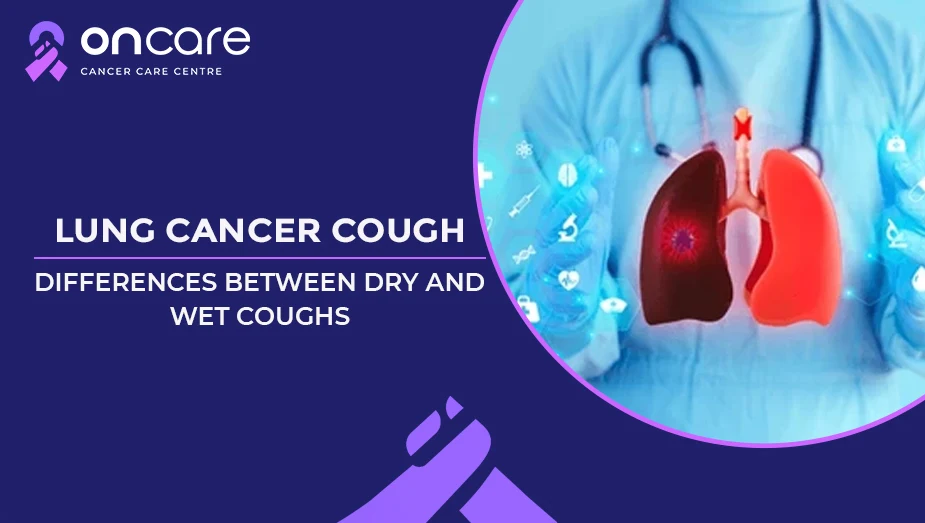
A persistent cough is one of the most common and dangerous symptoms of early lung cancer, though not all coughs are the same. Understanding the key differences between wet and dry coughs can help to identify some early warning signs of lung cancer. Identifying these warning signs leads to early detection and getting a more timely diagnosis and treatment.
In this blog, we’ll discover the key characteristics of lung cancer and how to differentiate between cold and dry coughs.
Why does Lung cancer cause coughing?
Lung cancer often causes coughing in people, with one of the reasons being that coughing can be a response to the tumors' effects on the lungs, like irritation and obstruction, which can often result in inflammation, infection, and mucus buildup.
Here are some reasons which triggers coughing in people, including:
- Tumors irritating the airways
- Experiencing obstruction of bronchial tubes
- Inflammation or infection caused by the tumor growth
- Spread of cancer to nearby tissues
- Mucus buildup
- Postnasal drip
- Treatment side effects (chemotherapy or radiation)
The type of cough can vary depending on the location, size, and type of lung cancer (non-small cell lung cancer), along with the overall health condition of the lungs and surrounding tissues.
Dry vs. wet cough: Key differences
Understanding the key differences between these two types of cough can help both lung cancer patients and healthcare providers to assess these symptoms effectively.
Dry cough (Non-productive cough)
Here’s what it feels like:
A dry cough often feels irritating and ticklish and usually appears deep in the throat or chest. Unlike a wet cough, it doesn’t cause any mucus or phlegm.
These coughs are common in lung cancers when:
- Tumors in the lungs pressing or irritating the airways
- The pleura (The lining around the lung) is affected
- Radiation or chemotherapy causes throat and lung irritation
Here are some additional symptoms appears in lung cancer patients, including:
- Shortness of breath
- Wheezing or tightness in the lungs
- Hoarseness or voice changes
- Fatigue from frequent coughing
Here’s what these symptoms are indicated in a patients,
A continuous cough which lasts more than 2 to 3 weeks, especially in non-smokers or older adults can be a sign of lung cancer, While these are early signs of lung cancer. However, there are some other health conditions that also cause dry cough, such as asthma, GERD or Viral infections.
If you are experiencing a persistent dry cough, then do not ignore and consult a doctor immediately.
Wet cough (productive cough)
Here’s what it feels likes to have wet cough,
A wet cough in person often produces mucus or phlegm, which can appear white, clear, yellow and even blood-tinged.
Wet coughs are common in lung cancer patients, when:
- Tumors starts to block or narrows the airways, leads to mucus buildup
- There is a chance of secondary pneumonia
- Cancer starts to spreads into the bronchial tubes
- Advanced stages with pleural effusion or fluid in lungs
Here are some associated symptoms, including:
- Coughing up with blood
- Thick or discolored phlegm
- Chest pain
- Discomfort
- Recurring respiratory infections
Here’s what these symptoms are indicates in a lung cancer patients, including:
If you are experiencing a productive wet cough, especially if it comes with blood-tinged mucus, then it can be a warning sign of lung cancer. These often suggest that the tumor is interfering with the normal lung drainage or starting to cause irritation and bleeding in the airways.
How to manage these cough in lung cancer patients
The treatment of cough in lung cancer patients needs to be treated directly, along with cough management is essential for improving the quality of life.
The standard treatments may include:
- Chemotherapy
- Targeted therapy
- Radiation therapy
- Surgery
These standard cancer treatments are performed if the cough is often caused by the tumor itself. Shrinking the tumor in patients can often reduce the irritation that triggers coughing.
Additional treatments may include:
- Cough suppressants: These are often used in dry, irritating coughs; syrups like demulcents or opioid-derived antitussives like codeine and morphine can be used to dampen the cough reflex.
- Expectorants or mucolytics: For patients with wet coughs with excess mucus, medications help with thin secretions, making them clear the airways. For example, guaifenesin and acetylcysteine.
- Nebulizers or Inhalers: Doctors also suggest the use of an inhaled corticosteroid, which helps to reduce inflammation and ease breathing and coughing. There are some medicines, such as bronchodilators, that help to relax and widen the airways in patients.
- Antibiotics: In some patients, if the cough gets worsened or worsened by any secondary infection such as infection, then some doctors might suggest antibiotics to treat that infection.
When should you get concerned?
If you are experiencing any type of chronic cough that lasts longer than 3 weeks, along with seeing some changes in coughing patterns, or if it gets worse over time, then you should get immediate medical attention, especially if accompanied by:
- Unintentional weight loss
- Chest pain
- Shortness of pain
- Coughing with blood
- Hoarseness
- Fatigue
Many lung cancer patients have reported a cough that doesn’t go away easily, even after getting some treatments or remedies. If you are getting these symptoms along with persistent cough, consult a doctor immediately.
Consult Today
Not all coughs are symptoms of lung cancer. While a persistent dry cough is quite irritating, a wet cough might seem more alarming; both are more serious, sometimes indicating lung cancer. Always pay attention to your body; do not ignore it if you experience a cough for more than 2 weeks. If you have been experiencing a persistent cough, especially one that doesn’t improve with any regular or standard treatments, then don’t ignore it. Many studies suggest that early diagnosis of lung cancer significantly improves the chances of successful treatments.
At Oncare, we offer premiere-quality cancer treatments, including advanced cancer surgeries, at an affordable price range with an experienced cancer specialist consultation.
If you or any loved ones of yours are diagnosed with cancer, then visit Oncare Cancer Center and book an appointment with our experienced cancer specialist today! Get an estimated cost of your cancer treatments today!
Frequently Asked Questions
Here are some common symptoms of lung cancer, including:
- A cough that doesn’t go away
- Blood in the cough
- Shortness of breath
- Chest pain
- Unexplained weight loss
- Feeling tired all the time
- Frequent lung infections
Here are some factors affect the wet and dry cough, including:
- If the tumor starts to press against the airways, it starts to irritate them, making the patient cough more often.
- There are large tumors that might cause inflammation or infections, increasing mucus production.
Here are some various treatments comes with side effects, including:
- Chemotherapy: These can affect the immune system, which can lead to an increased sensitivity in your airways.
- Immunotherapy: These can trigger inflammation in the lungs, also known as pneumonitis in some rare cases.
- Radiation therapy: These can irritate the throat or lungs, which makes the patients cough.
Book an Appointment
Related Blogs
Papillary Adenocarcinoma in Thyroid, Lung, and Other Organs
Discover more about papillary adenocarcinoma in the thyroid and lung, its symptoms and diagnosis, prognosis and treatments, and papillary adenocarcinoma in other organs!
Squamous Cell Lung Carcinoma: Differences from Other Lung Cancer Types
Learn what makes squamous cell lung carcinoma different from other lung cancers. Understand symptoms, diagnosis, treatment options, and prognosis in simple terms.

Sanjay Dutt Lung Cancer Journey: From Diagnosis to Recovery
Explore more about Indian Bollywood actor Sanjay Dutt’s Lung cancer journey, starting from their cancer diagnosis to cancer recovery, and power of positivity and care!
Stage 1 Lung Cancer: Signs You Shouldn’t Ignore
Explore more about stage 1 lung cancer and common signs and symptoms of these cancers that people shouldn’t ignore, and risk factors and when to consult a doctor!