Table of Contents
Liver Cancer Prognosis by Stage: Survival Rates & Treatment

By Prashant Baghel


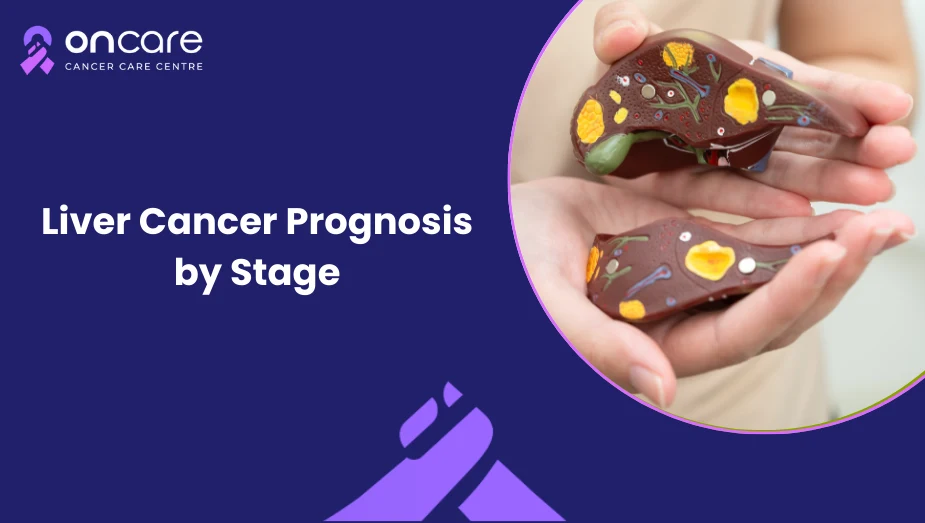
People often wonder, "What does this mean for the future?" when they hear the words "liver cancer." The answer usually hinges on one very essential thing: what stage the cancer is in. Liver cancer prognosis by stage helps both doctors and patients figure out how far along the disease is and what the future may hold. This subject can seem like a lot to take in, but breaking it down into basic terms can help you see things more clearly and give you hope.
We will talk about the prognosis for liver cancer by stage in a very simple approach in this article. You will understand how each stage influences your chances of survival, your treatment options, and your quality of life.
What You Need to Know About Liver Cancer and Its Prognosis
Liver cancer begins when cells in the liver grow out of control. Prognosis is the projected course of the disease. It includes the possibilities of survival, how well therapy may work, and what life may be like after diagnosis.
The prognosis is not the same for everyone. It depends on how advanced the cancer is, how healthy the liver is, how healthy the person is overall, and how well the body responds to treatment. Some people live for a long time after being diagnosed, especially if the cancer is identified early.
How to Tell What Stage Liver Cancer Is
To figure out how far along liver cancer is, doctors break it down into stages. Staging looks at the size of the tumor, whether the cancer has spread, and how effectively the liver is operating.
In general, earlier stages lead to greater results because there are more therapy alternatives. Advanced stages are harder to treat, but with the correct care and support, they can still be treated.
Prognosis for Stage 1 Liver Cancer
The first stage of liver cancer is the earliest. The malignancy is small and only in the liver, which is usually still working well. At this point, the prognosis is usually better than it will be later on.
Size of the Tumor and How Well the Liver Works
The tumor is tiny and hasn't migrated to blood vessels or other organs in stage 1. The liver often keeps working, which gives doctors more options for treatment.
At this point, having a healthy liver is really important for survival.
Choices for Treatment and Results
At stage 1, surgery to remove the tumor or a liver transplant may be possible. Some patients might potentially benefit from local treatments that directly kill the tumor.
With the right care, many people live for years and even get long-term control.
Expectations for Survival
Compared to subsequent stages, stage 1 has the highest survival rates. Early diagnosis considerably enhances the chances of recovery and quality of life.
Stage 2 Liver Cancer Prognosis
In stage 2 liver cancer, the tumor may be a little bigger, or there may be more than one small tumor, but the cancer is still only in the liver. Even though the prognosis is a little less good than it was in stage 1, it is still promising.
Cancer Spread in the Liver
At this point, cancer may have expanded to minor blood arteries, but it hasn't migrated beyond the liver. This makes treatment harder, but it still works.
Depending on what else is going on, the liver may be slightly damaged.
Controlling Diseases and Getting Treatment
Surgery, a liver transplant, or targeted medicines may be part of the treatment. Doctors carefully determine the best treatment based on how well the liver works and where the tumor is.
At this point, many individuals respond favorably to treatment.
Long-Term View
Even though the survival odds are a little lower than stage 1, many people with stage 2 liver cancer live full lives with continued care and monitoring.
What to Expect With Stage 3 Liver Cancer
Stage 3 liver cancer signifies that the illness has spread further in the liver. Tumors can be bigger, more than one, or affect big blood vessels. The prognosis is less certain, although treatment is still an option.
How Much the Tumor Has Grown
At stage 3, tumors can spread to nearby blood arteries or damage more than one part of the liver. In some circumstances, this makes surgery less of a possibility.
Liver function may also be altered, which can change the options for treatment.
Goals and Methods of Treatment
Treatment frequently focuses on keeping the cancer from growing and improving the patient's quality of life. You might be able to get targeted therapy, immunotherapy, or medicines that only work on a small area.
The goal is to slow down the disease and control the symptoms.
Expected Results
Stage 3 survival rates differ greatly. Some patients respond well to treatment and live longer than predicted, especially with current medicines.
Stage 4 Liver Cancer Prognosis
The most advanced stage of liver cancer is stage 4. Cancer has progressed to the lymph nodes near the liver or to organs far away. At this point, the prognosis is worse, but there is still care available.
Cancer Has Spread Beyond the Liver
At this point, cancer may have progressed to the lungs, bones, or other organs. The liver's ability to work is typically greatly impaired.
This makes it harder to get better.
What the Treatment Is About
At stage 4, treatment aims to limit the progression of cancer, ease symptoms, and make the patient more comfortable. You might get systemic treatments like chemotherapy or immunotherapy.
Palliative care is a vital part of keeping a good quality of life.
Life Expectancy and Help
Even if the chances of survival are decreased, many patients benefit from treatment that makes their lives longer and less painful. It's important to have both emotional and physical support.
Things That Change the Prognosis for Liver Cancer
The stage of liver cancer is significant for the prognosis, but so are other things. Outcomes depend on the health of the liver, the person's age, how well they respond to treatment, and their general strength.
People with good liver tissue usually do better than those with serious liver disease. A better prognosis is possible with early diagnosis and competent management.
The Importance of Finding It Early
The best way to improve the prognosis for liver cancer is to find it early. People with liver illness need to see a doctor and get their health checked regularly.
Finding cancer early gives you access to treatments that can cure it and help you live longer.
Having Liver Cancer
Having liver cancer is hard on your body, mind, and emotions. Having doctors, family, and caretakers on your side makes a tremendous impact.
Many patients can keep doing things that are important to them and spend time with family and friends while they are getting treatment.
Talk to Us Today
When patients know what to expect and how treatment decisions are determined based on the stage of their liver cancer, they can better grasp what to expect. Early stages provide you a better chance of surviving, whereas advanced levels emphasize comfort and control. The path of each patient is different, and current medicines are becoming better.
Oncare Cancer Hospital has highly trained doctors, cutting-edge equipment, and tailored treatment regimens to help people live longer and better.
Frequently Asked Questions
No, prognosis is also affected by liver function, overall health, and how well treatment works.
Yes, surgery or a transplant can sometimes cure liver cancer in its early stages.
Yes, the goal of treatment is to delay the progression of cancer and make the patient more comfortable and improve their quality of life.
Outcomes can be better with early diagnosis, professional treatment, and appropriate supportive care.
Book an Appointment
Related Blogs

Liver Cancer Last Stage Symptoms: What Happens in Final Stage
Learn about liver cancer last stage symptoms in simple words. Understand final stage changes, what to expect, and how to support your loved one with the right care.
TARE Procedure: A Complete Guide for Liver Cancer Treatment
Discover more about the TARE procedure for liver cancer treatment, who needs the TARE procedure, what to expect during the procedure, and the benefits and side effects of the TARE procedure!
Common Types of Liver Cancer: Hepatocellular Carcinoma and Others
Discover more about liver cancer and its types, including hepatocellular carcinoma and others, and its risk factors, diagnosis, and treatment, and much more!
How to Recognize Early Symptoms of Liver Cancer
Explore more about liver cancer and its early symptoms, who is at high risk of developing this cancer, why early diagnosis matters, and when to consult a doctor!