Table of Contents
Liver Cancer Last Stage Symptoms: What Happens in Final Stage

By Frequently Asked Questions


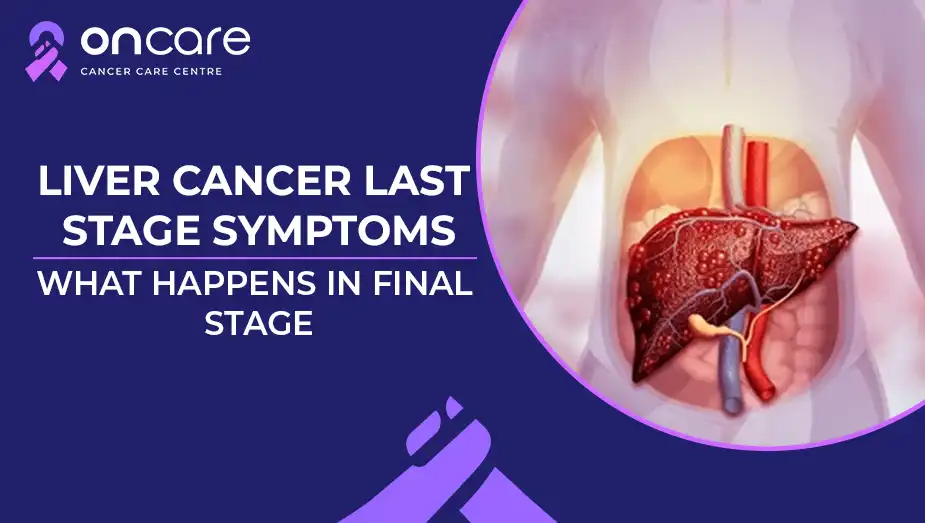
Liver cancer is one of the worst health problems, and the last stage can be very hard for both patients and their families. A lot of people look for clear and simple information so they can understand what their loved one might go through. The truth is that being aware of the liver cancer last stage symptoms and changes in the body helps you get ready and give the right care.
This article talks about the last stage symptoms in simple terms so that anyone can understand what happens, how the body reacts, and what help is needed.
Learning About the Last Stage of Liver Cancer
Stage 4 is the last stage of liver cancer. At this point, the cancer has spread to other parts of the body besides the liver. The liver gets weak and can't do its normal jobs anymore. The liver cleans the blood, helps with digestion, stores energy, and boosts the immune system. The entire body is affected when it stops working.
This stage brings about a lot of changes because the liver is one of the most important organs. Not every patient will have all of the liver cancer last stage symptoms, but most people will have a mix of physical, mental, and emotional changes.
Rising Feelings of Weakness and Tiredness
Extreme weakness is one of the most common liver cancer last stage symptoms. Even little things like sitting up, walking a few steps, or eating can make the patient very tired. The liver can't store energy properly, which is why this happens. A lot of the time, patients are resting or sleeping. The body tries to save energy, which is why you feel tired all the time.
Not Wanting to Eat and Losing Weight
In the last stage, people usually don't want to eat much. Patients might not feel hungry at all or they might only eat a few bites. It can be hard for the body to digest food, and nausea is common. This makes you lose weight quickly. Your clothes might get loose, and you might look thin and weak. The digestive system also slows down, which makes it even harder to eat.
Stomach and Legs Swelling
One of the most obvious liver cancer last stage symptoms is a swollen stomach, which is also called ascites. The stomach looks big because it holds a lot of fluid. This can make it hard to breathe and can cause pain or discomfort. It is also common for the legs and feet to swell because the body can't get rid of extra fluid. The skin might feel tight and heavy.
Yellowing of the Skin and Eyes
Jaundice is a very clear sign of the final stage. When the liver can't remove bilirubin from the blood, the skin and eyes start to turn yellow. This means that the liver is very weak. The urine may also get darker and the stools may get lighter. Jaundice usually gets worse in the last stage.
Memory and Confusion Issues
The liver usually cleans the blood of toxins. In the last stage, these toxins build up and get to the brain. This causes a disease called hepatic encephalopathy. The patient might get confused, forget things, or have trouble speaking clearly. They might not know who people are or may act differently. They might sleep during the day and stay awake at night. In very late stages, the patient might fall into a deep sleep and not respond to things around them as much.
Pain in the Upper Abdomen
Pain is common in the later stages of liver cancer because the tumour gets bigger and presses on nearby organs. The patient might feel pain in the upper right side of their stomach or sometimes in their back and shoulder. When the tumour gets bigger, the pain may get worse. Medicine usually works, but the amount of pain can be different for each person.
Feeling Sick and Throwing Up
Nausea and vomiting happen more often as digestion gets worse. Even small amounts of food can make you feel bad. The liver doesn't make enough bile, which makes it hard for the body to digest food. Some smells and foods can make these symptoms worse, because the body becomes more sensitive to them in this stage.
Bleeding and Bruising
The liver helps the blood to stop bleeding. In the last stage, the liver can't make enough proteins that are needed for blood clotting. This makes it easy to get bruises and cuts. Small cuts may bleed for longer than usual. The patient may also have bleeding from their nose or gums. In very advanced stages, there is a chance of internal bleeding.
Breathing Changes
Breathing patterns may change as the body gets weaker. Breaths may get slower at times, and at other times they may be short and quick. It is also harder to breathe when there is fluid in the abdomen. Even when they aren't moving, the patient may feel short of breath. Breathing may not be regular in the last days.
Less Communication and Sleepiness
In the last stage, the patient usually sleeps more and talks less. The body slowly stops working and saves energy. Communication becomes limited, and the patient may speak in short sentences or not at all. This is a normal part of liver cancer last stage symptoms. Even if the patient isn't talking, they may still hear and understand what people are saying around them. Being calm and loving around them can help a lot.
Changes in Feelings
Liver cancer affects both the body and the mind. Patients might be sad, worried, or angry. Some people may get quiet, while others may show their anger. These changes in mood are caused by both physical weakness and mental stress. Families should help each other emotionally and make the home a calm place.
The Body Slowing Down
There are signs that the body is slowly getting ready for the end in the last few days or weeks. The patient might not eat much or not eat at all. Water intake also reduces. Because blood flow slows down, the skin may feel cool, and the hands and feet may turn pale or blue. Breathing becomes irregular. The family should stay close to the patient and make sure they are comfortable.
How to Help Someone in the Last Stage
During this time, you need to be patient and understanding when taking care of a loved one. The goal is to make the patient feel better. They stay calm when they drink small amounts of water, are in a quiet place, and hear soft words. Painkillers and advice from a doctor are very important. Emotional support is just as important as physical care.
The family should get ready for changes in how the patient looks, acts, and talks. Many families also choose palliative care at this time because it helps with comfort and pain management.
Consult Today
The last stage of liver cancer causes many changes in both the body and the mind. Families can get ready and give better care if they know what these symptoms mean. It is a difficult time, but the right medical care and a calm environment can make a big difference in the patient's comfort. Oncare Cancer Hospital is one of the best places to get trusted cancer treatment and help with every stage of the disease. They offer expert care, advanced treatment, and compassionate support.
Why Oncare: Listen to Our Patients
Frequently Asked Questions
Extreme weakness and fatigue are the most prevalent symptoms due to the liver's inability to adequately store energy.
Most patients do, but the amount of jaundice can change depending on how well the liver is working.
Pain is common, but doctors can help you deal with it with the right medicines and care.
It depends on how sick the patient is. Some may survive for weeks, while others may endure for months. Everyone's body reacts in a different way.
Book an Appointment
Related Blogs
Blood Cancer Last Stage Symptoms – Understanding the Final Phase
Understand the symptoms of last stage blood cancer, including fatigue, pain, and emotional changes. Learn how to offer comfort and supportive care with clarity.
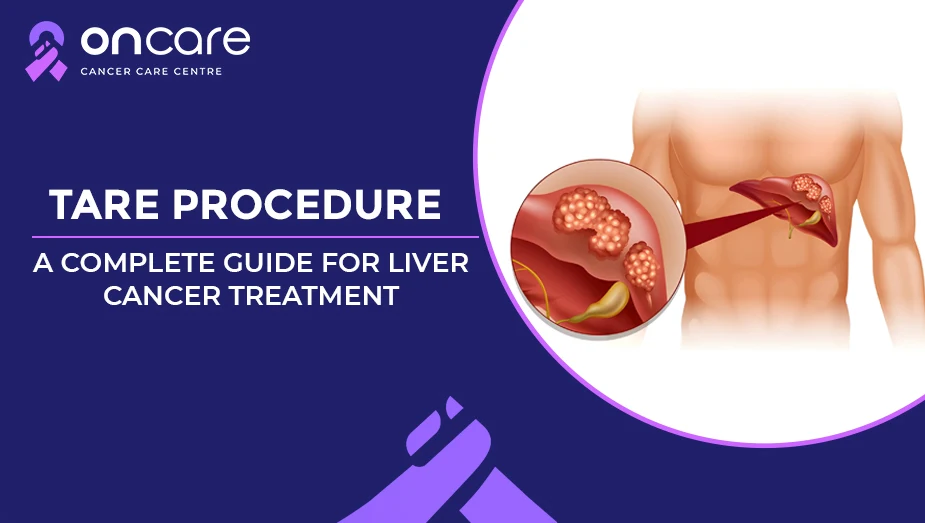
TARE Procedure: A Complete Guide for Liver Cancer Treatment
Discover more about the TARE procedure for liver cancer treatment, who needs the TARE procedure, what to expect during the procedure, and the benefits and side effects of the TARE procedure!
Stage 4 Liver Cancer: Causes, Risk Factors, and Complications
Explore more about Stage 4 Liver Cancer and how it develops and its causes, risk factors and health complications and how healthcare providers treat stage 4 liver cancer!
Common Types of Liver Cancer: Hepatocellular Carcinoma and Others
Discover more about liver cancer and its types, including hepatocellular carcinoma and others, and its risk factors, diagnosis, and treatment, and much more!