Table of Contents
Mouth Cancer and Tobacco: The Hidden Dangers Explained

By Dr. Gajendra Kumar Himanshu


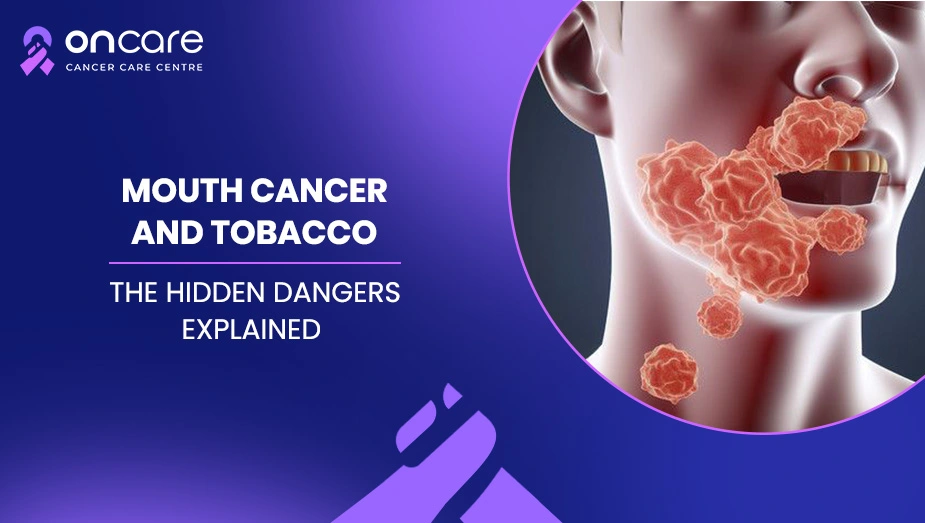
Many people think of smoking as a habit, but very few people know how bad it is for the body. Mouth cancer is one of the most dangerous things that can happen to you if you smoke. It normally starts quietly and without pain, and by the time symptoms show up, the disease may have already progressed.
The true threat isn't just tobacco; it's how long and how often you use it. The toxins in cigarettes, gutka, and pan masala are bad for the tissues in your tongue.
This blog tells you in plain language how tobacco causes mouth cancer, what indications to look for, and how to keep yourself safe. You can also get thorough global information from the World Health Organization.
What is mouth cancer?
Oral cancer, or mouth cancer, can happen anywhere in the mouth. This includes:
- Lips, tongue, and gums
- Inside the cheeks
- The roof or floor of the mouth
It usually starts as a little sore spot that doesn't heal and might steadily get worse if you don't pay attention to it.
You may find out more about the basics of oral cancer at the National Cancer Institute website.
Cigarettes cause cancer in the mouth
Carcinogens are dangerous compounds that are found in tobacco. These chemicals harm the DNA of healthy cells, which can cause cancer over time.
Tobacco that is common and raises the risk:
- Cigarettes, bidis, and gutka
- Tobacco in pan masala
- Zarda and khaini
When you chew tobacco, it stays in direct contact with the lining of your mouth, which makes the risk much higher.
Why is tobacco dangerous
1. Direct Contact with Mouth Tissues
When you chew tobacco, the lining of your mouth is exposed to harmful substances for a long time.
2. Damage that lasts a long time
Using it regularly hurts cells over time, which causes them to develop in strange ways.
3. Dependence
Nicotine makes it harder to quit, which means you have to be around it for longer.
4. Symptoms that come later
It can be challenging to find mouth cancer early on because it doesn't always hurt.
Check out the Centers for Disease Control and Prevention to learn about how to stay healthy and avoid risks.
Symptoms of Mouth Cancer
Being able to see symptoms early can save lives.
Some common warning signs are:
- A ache in the mouth that won't go away
- Patches that are white or red
- A lump or thickening on the cheek
- Having trouble eating or swallowing
- Pain in the mouth that doesn't go away
- Teeth that are getting loose
- Change in tone
It's crucial to see a doctor if any of these symptoms linger longer than 2–3 weeks.
Tobacco vs Mouth Cancer Risk
Tobacco Use | Level of Risk | What Makes It Dangerous |
|---|---|---|
Using smokes | Very high | Smoke has cancer-causing chemicals that hurt the mouth. |
Eating gutka | Very High | Direct contact with the mouth tissues from chemicals |
Tobacco and pan masala | Very High | Long exposure to the lining of the mouth |
Sometimes smoking | Not too much | Over time, the risk goes up. |
No smoking | Not much | Low risk (other factors may be at play) |
Who is More Likely to Get Sick?
Some people are more likely to get oral cancer:
- People who smoke for a long time
- People who use alcohol regularly
- People who don't take care of their teeth
- People who have been infected with HPV
- Adults older than 40 (although there are more incidences in younger people)
How to Lower Your Risk of Getting Sick
1. Stop using tobacco altogether
This is the most crucial thing to do.
2. Drink less alcohol
Combining alcohol and smoke raises the risk of cancer.
3. Keep your mouth clean
Brushing your teeth and going to the dentist regularly can help find problems early.
4. Regular Checkups
If you detect any strange changes, see a doctor or dentist.
Can mouth cancer be cured?
Yes, oral cancer can be treated, especially if it is found early.
There are several treatment options, including:
- Operation
- Radiation treatment
- Chemotherapy
- Therapy that targets
It is considerably more likely that early-stage cancer can be treated successfully.
Benefits of Early Detection
- Better chance of survival
- Less harsh treatment
- A better quality of life
Regular visits to the dentist might help you find problems before they get worse.
Consult Today
You might think smoking is a simple habit, but it can be deadly over time. A lot of the time, mouth cancer grows slowly, and individuals don't pay attention to the early indicators until it's too late.
The good news is that you can mostly avoid it. Stopping smoking, keeping an eye on your symptoms, and visiting the doctor often can all make a big difference.
If you or someone you know is at risk or showing signs, don't wait to get medical help. Oncare Cancer Hospital is a good choice for mouth cancer diagnosis and treatment since it offers skilled care, sophisticated treatment, and solid support.
Expert Insights by Dr. Vikram Singhal





Frequently Asked Questions
Yes, chewing tobacco can be worse because it stays in direct contact with the tissues in the mouth for longer.
The first sign is generally a sore or ulcer in the mouth that doesn't heal.
Yes, but smoking makes the danger much higher.
Stay away from smoke, drink less alcohol, brush your teeth regularly, and see your doctor regularly.
Written and Verified by:

Dr. Gajendra Kumar Himanshu Exp: 10 Yr
Medical Officer
Book an Appointment
Related Blogs

Mouth Cancer Treatment Options: From Surgery to Immunotherapy
Discover more about mouth cancer treatment options and common symptoms, early detection and cancer preventive measures and lifestyle tips during cancer treatments!

How to Check for Mouth Cancer: Red Flags You Should Notice
Learn how to check for mouth cancer at home by spotting early signs like sores, patches, lumps, and swallowing issues. Know what to look for and when to see a doctor.
Early Stage Mouth Cancer Symptoms You Should Never Ignore
Learn about the early signs of mouth cancer, including persistent sores, lumps, and discomfort. Early detection and treatment are key to recovery. Know what to look for and how to get help.

Types of Mouth Cancer: Symptoms, Causes & Treatment Options
Discover more about mouth cancer types and their common symptoms, causes and risk factors, and treatment options, prevention, and living with mouth cancer!