Table of Contents
LDCT Lung Cancer Screening: Benefits, Risks & Eligibility Criteria

By Prashant Baghel


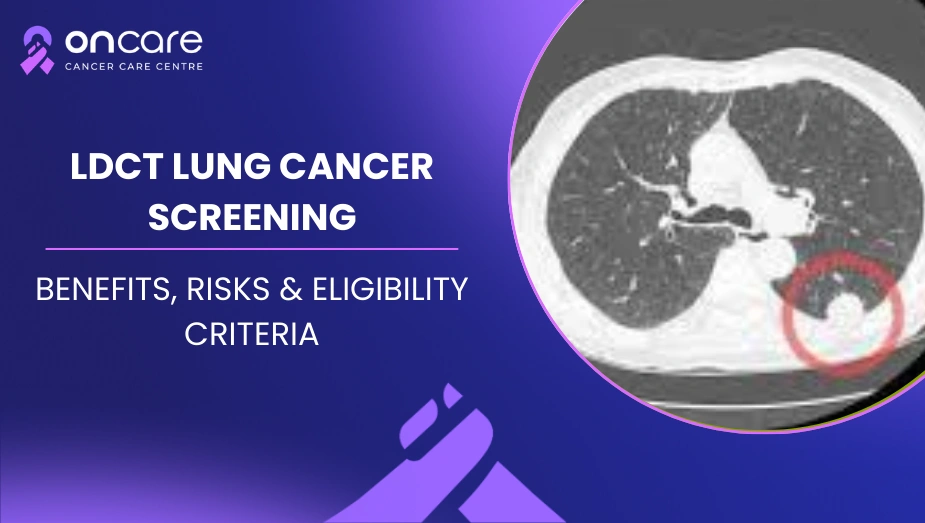
Low-dose computed tomography is referred to as LDCT. It is a unique CT scan that produces detailed images of the lungs with a minimal amount of radiation. An ldct test is quick, painless, and doesn't involve any cuts or injections. Typically, the scan only takes a few minutes.
The primary purpose of ldct lung cancer screening is to look for early indicators of lung cancer in high-risk individuals. An LDCT test, unlike a standard chest X-ray, can detect abnormal growths or tiny nodules in the lungs. Although these minor alterations might not initially manifest any symptoms, this scan makes them visible.
Finding cancer before it spreads is the primary objective of ldct lung cancer screening. Early detection of lung cancer improves the success rate and gives doctors more options for treatment.
For whom is an LDCT test appropriate?
Not everyone needs to have ldct lung cancer screening. It is primarily advised for those with a high risk of lung cancer. This typically includes people with a history of heavy smoking who are between the ages of 50 and 80.
An ldct test may be most helpful for those who smoke now or have stopped within the last 15 years. The largest risk factor for lung cancer is smoking. A person's risk increases with the amount and duration of their smoking.
If a person is in the high-risk category, doctors may still recommend ldct lung cancer screening even if they feel well and show no symptoms. The ldct test is not performed because a person has been diagnosed with cancer, but rather as a preventative measure.
Advantages of Lung Cancer Screening with LDCT
Early detection is one of the main advantages of an ldct test. In its early stages, lung cancer frequently exhibits no obvious symptoms. The illness may have spread by the time a person becomes ill. Ldct lung cancer screening aids in the early detection of cancer, sometimes even before symptoms appear.
Regular ldct lung cancer screening can lower the risk of lung cancer death in high-risk individuals, according to studies. It is simpler to treat early-stage lung cancer with radiation therapy, surgery, or other techniques. At this point, treatment is typically less complex and more successful.
The ldct test's ease of use and lack of invasiveness are further advantages. No needles, no discomfort, and no hospital stay are necessary. The machine quickly takes pictures of the lungs while the person is lying on a table.
Limitations and Dangers of LDCT Screening
While there are many advantages to ldct lung cancer screening, there are also some risks and restrictions. Radiation exposure is one issue. Repeated ldct test scans over many years can marginally raise the risk of developing cancer, despite the low radiation dose. The advantages, however, frequently exceed this minor risk for high-risk individuals.
A false positive result is another potential problem with an ldct test. This implies that a suspicious spot that appears to be cancer but is not may be seen on the scan. Other tests might be required in these situations. The patient may experience tension and anxiety as a result.
Overdiagnosis is another possibility. Very small cancers that would not have caused issues in a person's lifetime can occasionally be discovered by ldct lung cancer screening. Such cancers may require needless procedures in order to be treated.
Doctors carefully consider who should have ldct lung cancer screening because of these risks. Before beginning routine ldct test screening, it's crucial to talk to a healthcare professional about your personal risk factors.
How to Complete the LDCT Exam
An ldct test is typically performed in a hospital or imaging facility and is quite easy. On a table, the patient is instructed to lie flat. The table passes through a big ring-shaped machine slowly. To ensure clear images, the patient may be asked to hold their breath for a brief period of time during the scan.
Typically, the entire ldct lung cancer screening procedure takes less than ten minutes. Fasting is not required, and most people are able to resume their regular activities right away following the ldct test.
A radiologist carefully examines the images after the scan is finished. The physician may recommend additional testing or routine follow-up scans to track any changes if any abnormal areas are discovered during ldct lung cancer screening.
The Significance of Early Detection
One of the main causes of cancer-related mortality globally is lung cancer. The primary cause is that it is frequently discovered after the fact. Treatment is more challenging and survival rates are lower when lung cancer is discovered at an advanced stage.
This is altered by ldct lung cancer screening. Doctors can identify cancer in its early stages by routinely performing an ldct test on high-risk patients. Lung cancer in its early stages may be tiny and confined to a single lung region. Surgery or other therapies can now more successfully eradicate or manage the illness.
Additionally, early detection lessens financial and emotional strain. Compared to treating advanced cancer, treating early cancer is frequently less expensive and physically taxing. For those who are at risk, ldct lung cancer screening is therefore regarded as a life-saving procedure.
When to Consult a Physician
It is advisable to discuss ldct lung cancer screening with your doctor if you are over 50 and have a history of heavy smoking. Your prior smoking history may still raise your risk even if you have stopped.
People should also talk about their risk if they have a family history of lung cancer or have been exposed to dangerous substances like asbestos. To determine whether an ldct test is appropriate for you, a physician can assess your general health, smoking history, and current state of health.
Regular check-ups combined with ldct lung cancer screening can boost your chances of remaining healthy and give you peace of mind.
Consult Today
One effective strategy in the fight against lung cancer is ldct lung cancer screening. An ldct test is quick, painless, and intended for early cancer detection. By identifying issues before they worsen, ldct lung cancer screening can lower the risk of death for high-risk individuals, particularly long-term smokers.
For high-risk individuals, the advantages of an ldct test frequently exceed the risks, such as radiation exposure and false positives. Better treatment options, increased survival rates, and improved quality of life are all associated with early detection.
Do not wait if you or a loved one is in danger or exhibiting symptoms. For the best treatment with compassionate care, professional advice, and advanced ldct lung cancer screening, pick Oncare Cancer Hospital. You can safeguard your future by acting appropriately today.
Frequently Asked Questions
A low-dose CT scan called an ldct test is used to look for early indications of lung cancer.
Ldct lung cancer screening is typically recommended for individuals between the ages of 50 and 80 who have a history of heavy smoking.
No, an ldct test is quick, non-invasive, and painless.
According to their doctor's advice, high-risk individuals are typically recommended to have annual ldct lung cancer screening with an ldct test.
Book an Appointment
Related Blogs
Female Cancer Screening: Essential Tests Every Woman Should Know
Learn about female cancer screening tests like mammograms, PAP, HPV test, and cancer profile packages. Get early detection and expert care at Oncare Hospital.
What is an HRC Test and Why is It Important for Cancer Screening?
Detect cancer early with the HRC blood test. Non-invasive, reliable, and affordable in India and Delhi. Book your HRC test at Oncare Cancer Hospital today.
Best Cancer Screening Test: How to Choose the Right One for You
Detect cancer early with the right screening test for males or females. Schedule expert tests and care at Oncare Cancer Hospital today.
Colorectal Cancer Screening Blood Test: How Reliable Is It?
Detect colorectal cancer early with blood, stool, or colonoscopy tests. Get expert screening, accurate diagnosis, and care at Oncare Cancer Hospital today.