Table of Contents
Is Lymphoma Curable? Understanding the Facts and Treatment Options

By Prashant Baghel


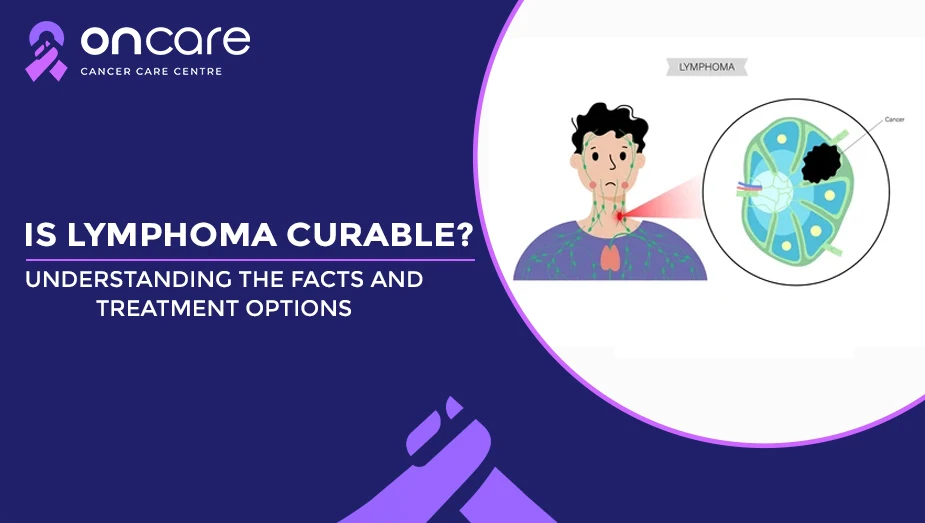
When you hear the word "lymphoma" for the first time, it can make you feel scared and confused. "Is lymphoma curable?" is one of the first things that comes to mind. This question is full of hope, doubt, and a strong desire to know what happens next. Lymphoma is a kind of cancer that affects the lymphatic system, which is a part of the immune system. The good news is that lymphoma can usually be treated well, and a lot of people go on to live long, healthy lives.
In the last few years, medical advances have made it easier than ever to treat lymphoma. For a lot of patients, getting diagnosed early and getting the right treatment leads to full remission. In this article, we will look at whether lymphoma can be cured, what kinds of lymphoma there are, what treatments are available, what the survival rates are, and how good care can make a difference.
What is lymphoma?
Lymphoma is a type of cancer that affects the lymphatic system, which is made up of lymph nodes, the spleen, bone marrow, and lymph vessels. This system helps the body fight infections and is a big part of the immune response. When someone has lymphoma, some white blood cells called lymphocytes grow and divide abnormally, making tumours.
Hodgkin lymphoma and Non-Hodgkin lymphoma are the two main types of lymphoma. Both types can happen to anyone at any age, but with early diagnosis and modern treatment options, the chances of getting better are good. The type, stage, and how well the body responds to treatment all play a role in whether lymphoma is curable.
Can lymphoma be cured?
There is no one answer to the question "Is lymphoma curable?" because it depends on a number of things, such as the type of lymphoma, how far along it is when it is found, and the patient's overall health. After treatment, many people with lymphoma go into complete remission, which means there are no signs of cancer in their bodies.
Hodgkin lymphoma, in particular, has a very high chance of being cured. A lot of patients get better and stay cancer-free for the rest of their lives. There are many types of non-Hodgkin lymphoma, and some grow quickly while others grow more slowly. Aggressive treatment can often cure types that grow quickly. With the right treatment, slower-growing types can be kept in check for a long time.
Doctors say "remission" more often than "cure" because even after treatment works, regular checkups are still needed to make sure the disease doesn't come back.
Early detection leads to better outcomes
One of the most important things you can do to get rid of lymphoma is to find it early. When lymphoma is found early, treatment works better and patients are more likely to live a long time.
Some common signs of lymphoma are painless swelling of lymph nodes in the neck, armpits, or groin, fever that comes and goes, night sweats, tiredness, and weight loss. A lot of the time, people think these symptoms are just a normal infection. That's why it's so important to see a doctor regularly if the symptoms don't go away.
More people are getting diagnosed earlier thanks to better awareness and more advanced tests. This gives them a better chance of getting better and maybe even a cure.
Lymphoma Stages and Cure Rates
Depending on how far lymphoma has spread in the body, it is usually put into one of four stages. The disease is usually easier to treat in the first two stages (Stage I and II). At this point, many patients are cured after finishing their treatment plan.
In Stage III and IV, the cancer has spread more, but modern treatments can still help control the disease and even lead to long-term remission. The cure rates are a little lower in later stages, but with the right treatment, many people live for a long time.
Choices for treating lymphoma
Treatment is a big part of figuring out if lymphoma is curable or not. Doctors make treatment plans that are specific to each patient based on the type of lymphoma, how far along it is, and the patient's health.
Chemotherapy, which uses strong drugs to kill cancer cells, is one of the most common treatments. To get the best results, chemotherapy is often used with other treatments.
Radiation therapy is another way to treat lymphoma, especially in its early stages. It goes after certain areas where cancer cells are and helps get rid of them or make them smaller.
Immunotherapy helps the body's natural defence system work better against cancer. In the last few years, it has become a very promising choice for many lymphoma patients.
Some patients get targeted therapy. This treatment only kills cancer cells and doesn't hurt healthy cells, which lowers side effects and speeds up recovery.
Stem cell transplants are sometimes recommended, especially when lymphoma comes back after treatment. This process helps the immune system and bone marrow get back to normal.
Many patients get a mix of these treatments to get the best results.
New Developments in Treating Lymphoma
In the last ten years, lymphoma research and treatment have come a long way. Doctors can more accurately figure out what kind and stage of lymphoma a patient has with the help of advanced diagnostic tools. Personalised treatment plans let doctors make sure that each patient's therapies are right for their specific condition.
Patients have a better chance of going into remission or even being cured thanks to new targeted therapies and immunotherapies. Clinical trials are also looking into new drugs that could make people live longer and better. These breakthroughs are making lymphoma less dangerous for a lot of people. It can now be controlled or cured.
How long do people live after treatment, and how many people survive
When talking about whether lymphoma is curable, survival rates are a big part of the conversation. When Hodgkin lymphoma is found early, the five-year survival rate is very high, often over 85–90%. The survival rates for non-Hodgkin lymphoma depend on the type and stage of the disease. However, many patients live for many years, and some even go into complete remission.
After lymphoma treatment, you may need to have regular checkups, blood tests, and imaging scans to make sure the disease doesn't come back. A lot of people who survive go back to their normal lives, jobs, and hobbies. They can live a long, happy life if they get the right medical care and live a healthy life.
How to Stay Healthy After Lymphoma Treatment
After treatment for lymphoma, recovery doesn't stop. Living a healthy life is very important for staying healthy. Doctors say that you should eat a balanced diet, get regular exercise, sleep well, and learn how to deal with stress.
Not smoking and drinking less alcohol can help lower the risk of the disease coming back. It's also very important to have emotional support. A lot of patients find that joining support groups or going to counselling sessions helps them deal with stress and anxiety.
Consult Today
When you have lymphoma, getting the right care and support can make all the difference. Oncare Cancer Hospital has advanced diagnostic tools, skilled oncologists, and treatment plans that are tailored to each patient. Their goal is to give each patient the best chance to get better and have a healthier future.
Oncare Cancer Hospital is there for patients and their families every step of the way, from diagnosis to aftercare. They focus on both medical excellence and emotional support.





Frequently Asked Questions
Yes, many types of lymphoma can be cured, especially if they are found early. Most patients can go into remission with modern treatments.
Chemotherapy, radiation therapy, immunotherapy, targeted therapy, and stem cell transplants are all common treatments.
Sometimes, lymphoma can come back. Regular checkups and follow-up care are important to find and treat any new cases as soon as possible.
The chances of survival are high, especially for Hodgkin lymphoma. After treatment, many patients live long and healthy lives.
Book an Appointment
Related Blogs
Types of Stomach Cancer: Adenocarcinoma, Lymphoma & More
Discover more about stomach cancer and its types, from adenocarcinoma to lymphoma and more, key differences between these cancers, and its diagnosis and treatments!
How Is Hodgkin’s Lymphoma Different from Non-Hodgkin’s?
Learn the difference between Hodgkin and Non-Hodgkin lymphoma, symptoms, causes, and treatment options. Get expert care at Oncare Cancer Hospital.