Table of Contents
Is Lung Cancer Cough Dry or Wet?

By Raveena M Prakash



A persistent cough is one of the most common reasons why people get worried about the risk of lung cancer. But here’s a question everyone might ask: ‘Is a lung cancer cough dry or wet? While the answer isn’t always straightforward. A cough linked to lung cancer can be wet or dry or change over time, depending on the type and stage of the cancer.
In this article, we’ll discover more about the lung cancer coughs and how they differ from common coughs and how recognizing the cough can help the medical evaluation necessary!
Understanding cough types
Before associating cough with lung cancer, it’s really important to understand the two main types of cough:
- Dry cough
- No mucus or phlegm
- It starts to feel irritating or tricky
- Common with allergies, asthma, or viral infection
- Wet (productive) cough
- Produces mucus or phlegm
- Phlegm might appear yellow, green or blood-streaked
It is often associated with several infections, smoking, or chronic lung diseases, and both types of cough can be a sign of cancer if they appear persistently, severely, and along with other symptoms.
Is Lung cancer cough Dry or Wet?
Lung cancer usually starts as a dry cough and later becomes wet as the disease starts to progress. There is no single cough type that confirms or rules out lung cancer.
Dry cough in lung cancer
A dry cough might occur when:
- A tumor starts to irritate the airways.
- Cancer affects nerves that control the cough reflex.
- The tumor is located near the major airways without producing the mucus.
Dry coughs are often related to lung cancers if they do not improve with typical cough medicines.
Wet Cough in Lung cancer
A wet cough might occur when:
- The cancer causes airway blockage leading to mucus buildup
- Lung infections develops due to weak immune system
- Tumors starts damage lung tissues
The presence of blood in phlegm (hemoptysis) is a more concerning sign and should never be ignored, without any medical evaluation.
How a lung cancer cough is different
A cough caused by lung cancer often has different features from the normal coughs that happen occasionally, including:
- Coughs stays for more than 3 week
- It starts to progress into worse conditions
- Changes to characters (dry to wet or vice versa)
- People might start to experience chest pain or shortness of breath
- Produces blood or rust-colored sputum
- It doesn’t respond to usual treatments
Many experts suggest that experiencing these features is more important than whether the cough is dry or wet. If you are experiencing any of these symptoms, then consult a doctor immediately.
Other symptoms that might occur with cough
A lung cancer cough is rarely the only symptom. These may be accompanied by some other symptoms, including
- Shortness of breath
- Unexplained weight loss
- Persistent fatigue
- Hoarseness
- Voice changes
- Recurrent chest infections
- Loss of appetite
The presence of multiple symptoms along with a chronic wet or dry cough will increase the need for physical medical evaluation.
How the doctors evaluate a suspicious cough
In most cases, doctors might inquire about how long the cough has been going on, its pattern, and any accompanying symptoms such as weight loss, fever, or shortness of breath. They also consider your previous health history and lifestyle factors and might recommend tests such as imaging to determine any underlying cause.
To identify the cause of cough, a doctor might also recommend these tests, including:
- Chest X-ray or CT scan
- Sputum examination
- Bronchoscopy
- Blood tests
- Lung biopsy, if required
Performing all of these tests helps to determine whether the cough is related to any kind of infection, inflammation, or cancer in suspected patients.
Common causes of Chronic Cough (Not cancer)
It’s important to understand that most chronic coughs are not caused by lung cancer.
Here are some of the common causes of chronic cough, including:
- Heavy smoking
- Asthma
- Bronchitis
- Acid reflux (GERD)
- Post-nasal drip
- Respiratory infections
If you are someone experiencing persistent or unexplained coughs, then do not ignore them; get a consultation with a physician and get medically evaluated.
Can Early Lung Cancer cause a cough?
In the initial stages of lung cancer, people might experience no cough at all or only a mild dry cough. Many cases are detected incidentally during imaging for other medical conditions. That's why high-risk individuals, such as long-term smokers, are encouraged to undergo regular cancer screening.
When to consult a doctor
You should consult a healthcare provider if coughs are persistent and severe. Getting immediate medical advice can help to identify the cause early and provide peace of mind.
You should consult a doctor if:
- A cough that lasts longer than 3 weeks
- The cough is worsening or changing
- There is blood present in the mucus
- Sudden and unexplained weight loss
- If you have a history of smoking or any lung disease
Early medical evaluation can help to rule out serious causes and lead to any untimely treatment if needed.
Consult Today
A lung cancer cough can be dry or wet, and its type alone cannot determine whether cancer is present. What matters more is how long the cough can last, how it starts to change, and whether it's accompanied by other symptoms such as blood in sputum, weight loss, or breathlessness.
Most types of coughs are caused by any non-cancerous condition, a persistent or worsening of cough should not be ignored. Early medical evaluation can help to rule out serious causes and significantly improve the treatment outcomes if lung cancer is detected early.
At Oncare, we offer premium-quality cancer treatments, including advanced cancer surgeries, at an affordable price range with an experienced cancer specialist consultation.
If you or any loved ones of yours are diagnosed with cancer, then visit Oncare Cancer Hospital and book an appointment with our experienced cancer specialist today. Get an estimated cost of your cancer treatment today!
Frequently Asked Questions
A lung cancer cough can be either dry or wet. It basically varies based on the tumor location, airway irritation, and whether infection or mucus buildup present in patients.
It often lasts for weeks, gradually worsens, and might change in sound or intensity. It can also be accompanied by symptoms such as asthma, chest pain, and shortness of breath.
No, most chronic coughs aren't always caused by non-cancerous conditions, such as infections, asthma, or acid reflux. However, if you have been experiencing a cough for more than 3 weeks, then it should be evaluated by a medical practitioner.
Book an Appointment
Related Blogs

Is Lung Cancer Screening Right for You?
Lung cancer screening helps detect cancer early before symptoms appear. Learn who should consider screening, its benefits, risks, and how it can improve survival.
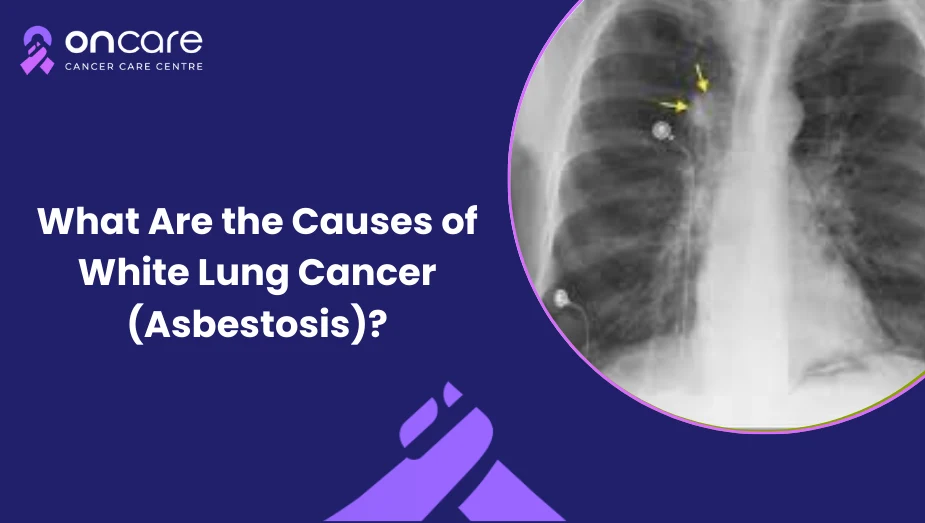
What Are the Causes of White Lung Cancer (Asbestosis)?
White lung cancer is mainly caused by long-term asbestos exposure and asbestosis. Discover its causes, risk factors, and early warning signs.
Stage 4 Lung Cancer Treatment: Palliative Care and Quality of Life Tips
Learn more about Stage 4 lung cancer and its symptoms, treatments, role of palliative care, and tips for improving the quality of life and comfort for patients
Stage 4 Lung Cancer Symptoms: Critical Warning Signs
Learn more about Stage 4 lung cancer and important warning signs to watch out for, emotional and mental health symptoms, and managing symptoms and quality of life!