Table of Contents
Is Liver Cancer Life Threatening?

By Raveena M Prakash



Liver cancer is one of the most complex health conditions affecting people across the globe. Despite advances in cancer medicine, this condition is often known as a ‘silent killer,’ because it might progress for months or even years without any major symptoms. It raises a single question, which is whether liver cancer is life-threatening. The answer is yes, liver cancer is indeed life-threatening and deadly, especially when diagnosed at an advanced stage.
In this article, we’ll delve more into how early detection, awareness of risk factors, and timely treatment can significantly improve the treatment outcomes and quality of life.
Understanding Liver Cancer
Liver cancer develops when abnormal cells start in the liver and multiply uncontrollably and start to form tumors. As we all know, the liver plays a vital role in the body; it detoxifies the blood, produces essential proteins, starts to store energy, and aids in digestion. Because of these crucial functions, cancer in the liver can have widespread effects on the overall health of patients.
The most common type of liver cancer is hepatocellular carcinoma(HCC), which begins in the main liver cells.
Other types of liver cancer may include:
- Cholangiocarcinoma: This is type of cancer affects in the bile ducts.
- Angiosarcoma: This is another rare type of cancer that affects the liver’s blood vessels.
- Metastatic liver cancer: In this type of cancer, it starts to spread to the liver from other organs such as the colon, breast and lungs.
The type of liver cancer, along with tumor size and liver function, starts to affect the treatments and their prognosis.
Why liver cancer is life-threatening
Here are some of the reasons why liver cancer is considered life-threatening and deadly.
These may include:
Late diagnosis and detection
In its early stages, liver cancer often shows no specific symptoms in people. By the time the signs start to appear, the tumor might have grown large and spread to other organs, making treatment more difficult and less effective.
Rapid cancer progression
In some cases, liver tumours might grow quickly and might metastasize to other distant organs, such as the lungs and bones. Advanced liver cancer is harder to treat and gets associated with lower survival rates.
Underlying liver disease
Many people with preexisting liver conditions such as hepatitis B and C, or liver cirrhosis. A compromised liver face struggles to deal with cancer and it may not tolerate aggressive cancer treatments.
Limited treatments
Surgery and liver transplantations can be curative, but not all patients are eligible for these treatments. Treatments such as chemotherapy, targeted therapy, and immunotherapy can help control the disease but may not offer a cure in advanced cases.
Risk factors for Liver cancer
Understanding the risk factors for liver cancer can help with prevention and early diagnosis in patients.
Here are some of the common risk factors, including:
- Chronic hepatitis C and B
- Cirrhosis from alcohol, fatty liver, or hepatitis
- Heavy alcohol consumption
- Non- alcoholic fatty liver disease (NAFLD) linked to obesity and diabetes
- Family history of liver cancer
People with these risk factors should undergo immediate and regular liver checkups and cancer screenings.
Symptoms to watch out for
Liver cancer in most cases won’t show any early symptoms, but as the cancer starts to progress in the patient's body, the following warning signs may start to appear.
These may include:
- Unexplained weight loss
- Loss of appetite
- Persistent fatigue
- Abdominal pain or swelling
- Jaundice (yellowing of the skin and eyes)
- Nausea and vomiting
- Swelling in the legs
If these symptoms start to appear, then consulting a doctor immediately can improve the chances of early detection and a successful treatment outcome.
Treatments
The treatment approaches depend on the stage of cancer, liver function, and overall health of patients.
Common treatment options including:
- Surgery: In this procedure, removing the part of the liver (hepatectomy) or also suggests performing liver transplant in eligible patients.
- Ablation therapy: In these treatments, healthcare providers destroy tumors using heat, cold or chemicals in patients.
- Targeted therapy: In these treatments, the drug targets specifically the cancer cells.
- Immunotherapy: In these treatments, immunotherapy used to boost a patient's immune system to fight against the cancer.
- Chemotherapy and radiation therapy: These treatments are often used in advanced cases to slow cancer growth.
Early detection helps to increase the effectiveness of these treatments and an improved survival rate.
Prevention and early detection
Practicing preventive measures helps to reduce the risk of developing this cancer in high-risk groups, while early detection also plays a crucial role in reducing the risk and severity of liver cancer.
These may include:
- Vaccination against Hepatitis B
- Early and timely against hepatitis B and C infection
- Limiting the alcohol consumption
- Maintaining a healthy weight and diet management
- Practising regular cancer screening for high-risk individuals, especially those with cirrhosis and chronic hepatitis
Additionally, essential lifestyle changes such as a balanced diet rich in fruits and vegetables, practicing regular exercise and physical activity, and avoiding smoking also help to protect liver health.
Living with Liver Cancer
Liver cancer is a complex and serious health condition. Patients who follow proactive disease management and healthy lifestyle changes can help to improve the quality of patients’ lives.
Here are some guidelines every liver cancer patients should follow:
- Try to follow a nutritious diet to support liver function.
- Stay physically fit within limits
- Attend regular follow-ups and scans
- If needed, seek emotional and mental health support during the treatment phase.
- Having strong support from family, loved ones, and friends is essential, as treatment can be physically and emotionally demanding.
Consult Today
Liver cancer is a complex and life-threatening condition, especially when diagnosed late or in patients with pre-existing liver conditions. An early cancer diagnosis, cancer preventive measures, and timely treatment can improve the treatment outcomes and extend the length of patients’ lives. Having awareness towards cancer growth, regular cancer screenings, and healthy lifestyle choices are crucial for protecting liver health.
At Oncare, we offer premium-quality cancer treatments, including advanced cancer surgeries, at an affordable price range with an experienced cancer specialist consultation.
If you or any loved ones of yours are diagnosed with cancer, then visit Oncare Cancer Hospital and book an appointment with our experienced cancer specialist today! Get an estimated cost of your cancer treatments today!
Frequently Asked Questions
Not always. Early diagnosis and timely treatment can help to improve survival, but advanced liver cancer has lower survival rates.
In most cases, conditions such as chronic hepatitis C and B, cirrhosis, alcohol use, obesity, diabetes, and family history of liver cancer might increase the risk in some patients.
Yes. Timely vaccination, limiting the consumption of alcohol, and maintaining a healthy weight, and avoiding the habits of smoking.
Book an Appointment
Related Blogs
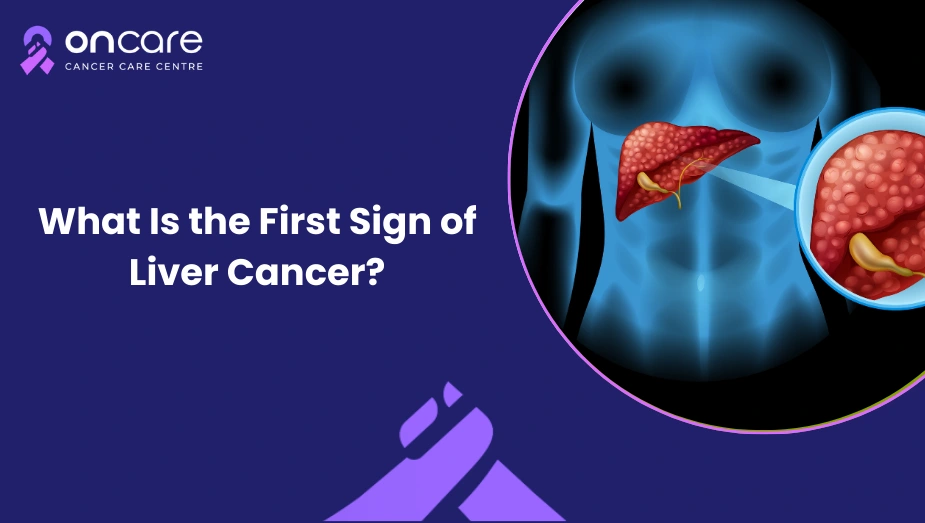
What Is the First Sign of Liver Cancer?
Learn what the first signs of liver cancer can be, why early symptoms are often missed, common warning signs, and when you should see a doctor for timely diagnosis.
What is the Survival Rate of Liver Cancer?
Learn what the liver cancer survival rate really means, how it changes by stage, and how early diagnosis and modern treatment can improve outcomes.
Can You Survive Metastatic Liver Cancer?
Learn whether survival is possible with metastatic liver cancer, what survival really means, treatment options, and how quality of life can be improved.
Diet for Liver Cancer Patients
Learn about the best diet for liver cancer patients, including healthy foods to eat, foods to avoid, managing appetite during treatment, and how proper nutrition supports recovery and strength.