Table of Contents
Is Heel Pain a Sign of Breast Cancer?

By Prashant Baghel


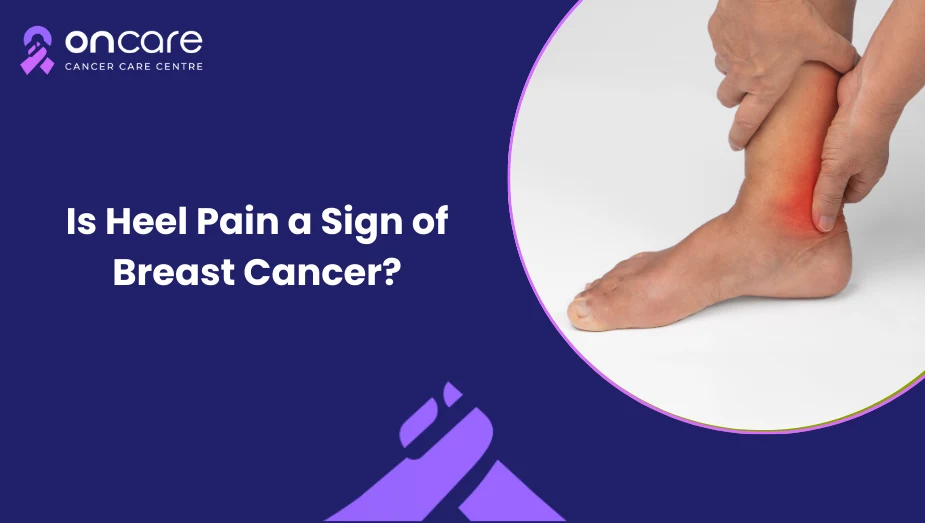
A lot of people have heel pain. A lot of people wake up with heel pain, have trouble walking, or feel sore after standing for a long time. Most of the time, the reason is simple and not dangerous. But when pain doesn't go away, the mind often goes to the worst possible thought. People start to wonder if heel pain could mean they have breast cancer. This fear can be very stressful.
In this article, we will use very simple and easy-to-understand language to make it clear whether heel pain is a sign of breast cancer. You will learn about the most common reasons for heel pain, when cancer is involved, and when you should see a doctor.
Understanding Heel Pain and Its Common Causes
Heel pain is very common and usually starts because of daily activities, footwear, or strain on the foot. Knowing how heel pain develops helps reduce fear and focus on practical causes instead of serious illness.
What You Should Know About Pain in Your Heels
Most of the time, heel pain starts in the foot and not anywhere else. When you walk, run, or stand, the heel supports your weight and takes the pressure. Because of this, it's easy to hurt or strain.
Muscles, ligaments, bones, or nerves in the foot are usually the cause of heel pain. It doesn't often happen with serious diseases like cancer.
Things That Hurt Your Heels a Lot
The most common cause of heel pain is plantar fasciitis. This happens when the tissue under the foot gets swollen. It hurts a lot in the morning or after resting.
Heel spurs, muscle strain, and shoes that don't fit right can also cause pain. These problems happen a lot and aren't harmful.
Age, daily habits, and way of life
If you stand for a long time, walk barefoot on hard floors, wear shoes that don't support your feet, or gain weight quickly, you may get heel pain.
People who are active, overweight, or stand all day often have heel pain at some point in their lives.
People are more likely to have heel pain as they get older. The padding in your heel gets thinner as you age, which makes it easier to feel pain. This kind of pain is normal and usually goes away with rest and care.
Is Heel Pain Usually a Sign of Breast Cancer
Many people worry that pain in one part of the body may be linked to cancer elsewhere. This section explains why heel pain is almost never an early or direct sign of breast cancer.
Is Heel Pain Related to Breast Cancer
Most of the time, heel pain doesn't mean you have breast cancer. Breast cancer does not typically manifest as heel pain in its initial stages. To lessen unnecessary fear, it is very important to understand this.
Most of the time, breast cancer symptoms start in the breast or nearby areas, not in the foot.
How Breast Cancer Usually Makes You Feel
Breast cancer often causes a lump in the breast, changes in the shape of the breast, changes in the skin, or discharge from the nipple. Pain in the heel is not a common early sign.
Most people with breast cancer do not have heel pain that is caused by their cancer.
Why People Worry About Heel Pain
The internet often connects body pain to serious illnesses, which can make people more scared. It's normal to worry when pain lasts longer than you thought it would.
But common symptoms are much more likely than rare ones.
When Heel Pain and Breast Cancer Might Be Connected
Although rare, there are situations where cancer can cause bone pain. Understanding when this happens helps separate normal foot problems from serious medical concerns.
When Pain Happens Because of Cancer
Bone pain from cancer usually happens in later stages, not in the early stages of breast cancer. Even then, it usually only affects bigger bones like the spine, hips, or ribs.
It is very rare to have heel pain as the only sign.
Bone Metastasis and Heel Pain
In advanced breast cancer, cancer cells can move to the bones. This is known as bone metastasis. Pain may happen in the bones that are affected when this happens.
The heel bone is a very uncommon place for breast cancer to spread. Pain usually starts in the larger bones.
How Cancer-Related Bone Pain Feels
Bone pain caused by cancer is often deep, constant, and getting worse. It doesn't get better with rest and might get worse at night.
If you have foot problems that cause heel pain, resting and taking care of them usually helps.
Other Symptoms That May Appear
If heel pain were linked to breast cancer metastasis, it would probably present with additional symptoms such as profound fatigue, weight reduction, or a documented history of breast cancer. Pain by itself is not likely to be cancer.
Common Non-Cancer Causes of Heel Pain and When to See a Doctor
Most heel pain comes from common and treatable conditions. This section helps you understand when simple care is enough and when medical advice is needed.
Common Reasons for Heel Pain That Aren't Cancer
Knowing what causes things to happen can help you stop being scared and focus on getting the right care. Most cases of heel pain are easy to treat.
Plantar fasciitis makes the heel hurt a lot, especially in the morning. This is the most common reason for heel pain. Stretching, resting, and wearing supportive shoes can help this condition get better.
Heel spurs are small bone growths that can hurt. Tendonitis can also make you sore and stiff. These conditions are not related to cancer; they are mechanical.
You may have heel pain if you have nerve compression or arthritis. These problems happen more often as you get older or put too much stress on them. With the help of a doctor, they can be treated.
When You Should Go to the Doctor
Most of the time, heel pain gets better in a few weeks. If the pain doesn't go away or gets worse, though, you should see a doctor.
If your heel pain lasts more than a few weeks, gets worse, or makes it hard to do everyday things, you should see a doctor. Pain that comes with swelling, redness, numbness, or fever also needs to be looked into.
Tell your doctor if you have a history of breast cancer and start to have bone pain that you can't explain.
How Doctors Diagnose Heel Pain
Doctors start by asking about your daily habits, shoes, and how much you move around. A physical exam can help find common foot problems.
If necessary, imaging tests like X-rays or scans may be done. Cancer tests are only done when there is a good medical reason.
Consult Today
Heel pain is very common and is almost always caused by problems with the feet, such as strain, inflammation, or shoes that don't fit right. It doesn't usually mean you have breast cancer. Sometimes, bone pain can be a sign of advanced cancer, but heel pain alone without any other symptoms is very unlikely to be cancer-related.
Oncare Cancer Hospital has expert doctors, modern diagnostic tools, and personalized treatment that focuses on patient comfort and long-term health. They also offer accurate diagnosis, advanced cancer care, and compassionate support.
Frequently Asked Questions
No, pain in the heel is not an early sign of breast cancer.
This is very rare and usually only happens when the disease is very advanced.
The most common reason for heel pain is plantar fasciitis.
If you have heel pain that won't go away, you should see a doctor. However, it is not usually a sign of cancer.
Book an Appointment
Related Blogs

Is Chemotherapy Treatment Painful for Breast Cancer?
Many people fear chemotherapy pain in breast cancer. Learn whether chemotherapy really hurts, what discomfort may occur, and how doctors manage pain during treatment.

Difference Between Fibroadenoma and Breast Cancer
Fibroadenoma and breast cancer can both cause breast lumps, but they differ in feel, growth, and symptoms. Learn how to tell the difference and when to see a doctor.

What do Breast Cancer Lumps Feel Like?
Breast cancer lumps often feel hard, fixed, and painless. Learn how cancerous breast lumps feel, how they differ from normal lumps, and when to see a doctor.

What Causes Pimples on the Breast? Is It Breast Cancer?
Pimples on the breast are usually harmless and caused by sweat, hormones, or clogged pores. Learn common causes, differences from cancer signs, and when to see a doctor.