Table of Contents
Living With Hypopharyngeal Cancer: Support & Treatment Guide

By


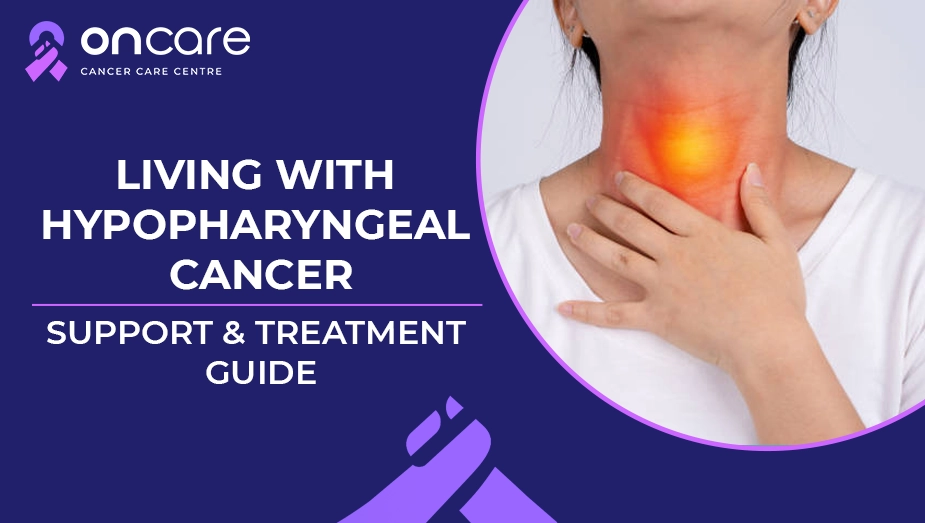
Being diagnosed with hypopharyngeal cancer can be a spine-chilling and life-changing moment in a patient's life. This is a rare form of head and neck cancer that affects the hypopharynx, which is the lower part of the throat located behind the voice box. This area plays a crucial role in swallowing, breathing, and speech. This cancer and its treatment can significantly impact the daily life of patients.
In this article, we’ll discuss more about the treatment options, symptoms, and how to manage the side effects and practical support strategies for people living with this rare type of throat cancer.
Understanding Hypopharyngeal Cancer
Hypopharyngeal cancer is a rare type of throat cancer that develops in the hypopharynx, which is the lower part of the throat (pharynx) behind the voice box (larynx). These types of cancers can develop in the tissues of the hypopharynx. These are commonly classified as squamous cell carcinoma.
These cancers are often diagnosed at a later stage because early symptoms can be mild or mistaken for common throat problems.
Risk factors may include:
- The use of tobacco products including smoking and chewing products
- Excessive alcohol consumption
- Poor diet and vitamin indeficiencies
- Human papillomavirus (HPV) infection
- People with prolonged exposure to environmental or occupational toxins
Understanding this cancer and its risk factors helps the patients and their families to take an active role in the treatment decisions and lifestyle changes.
Common symptoms
If you are someone living with hypopharyngeal cancer, then it often means managing ongoing cancer symptoms that might affect the daily and basic functions of speaking and swallowing foods.
Here are some of the common symptoms include:
- Difficulty or pain while swallowing foods (dysphagia)
- Constant sore throat or feeling lump in the throat
- Changes in the voice
- Hoarseness
- Ear pain without infection
- Unexplained weight loss
- Experiencing breathing difficulties
All of these changes can lead to nutritional deficiencies, fatigue, and social isolation, which makes supportive care a critical part of cancer treatment.
Treatments
The treatments for hypopharyngeal cancer for each individual are based on their cancer stage, location, overall health conditions, and treatment preference of patients. Hypopharyngeal cancer care is typically provided by an experienced expert team. The treatment options may include:
Surgery
Performing a surgery on patients involves removing part or all of the hypopharynx, and in some advanced cases, it will also remove the larynx. Performing surgery can be effective, in some cases, it might affect speech and swallowing functions. However, performing reconstructive surgery and its rehabilitation can be considered as part of the recovery process.
Radiation therapy
Radiation therapy uses targeted high-energy beams to destroy cancer cells. These treatments may be used alone in early cases or combined with chemotherapy or surgery in advanced cases. Side effects can include throat soreness, dry mouth, and fatigue.
Chemotherapy
Chemotherapy is an effective cancer treatment used alongside radiation therapy to enhance the effectiveness of treatments. These treatments work by destroying cancer cells or preventing them from diving, but it might affect healthy cells, which often leads to temporary side effects.
Targeted therapy and Immunotherapy
Performing targeted therapy and immunotherapy in these patients helps to destroy cancer cells more precisely and increase the immune system’s ability to fight against this cancer. Both of these treatments are considered effective for patients with advanced or recurrent hypopharyngeal cases.
How to manage side effects
Managing side effects is considered essential for maintaining strength and emotional wealth of patients living with hypopharyngeal cancer.
Here’s how patients can manage side effects and maintain the quality of life, including:
Patients experiencing swallowing difficulties might face eating challenging, while here are some of the support you can provide to patients, include:
- Add soft or pureed diets
- Have proper nutritional supplements
- Use feeding tubes
- Get a professional advice to tackle swallowing issues
- Get proper nutrition supports to heal the wounds, improve the energy levels, and treatment tolerance
- If needed, get speech and communication rehabilitation
Speech and communication rehabilitation services
In some cases, speech therapy helps with some individuals, including:
- Improve or adapt speech after surgery or radiation therapy
- Practice more to build confidence to start conversation in social setups
- If needed, use communication assistive devices and communication tools to enhance daily communication
Importance of emotional and psychological support
For patients living with hypopharyngeal cancer, the impact of strong emotional and psychological support is significant. Even after completing the cancer treatments, patients might experience anxiety, depression, frustration, or fear of recurrence.
The emotional and psychological support option may include:
- Individual counseling or physiotherapy
- Joining cancer support groups for head and neck cancers
- Practise following stress reduction activities like meditation
- Having an open communication with family and care givers
Addressing emotional and psychological health is just as important as managing symptoms.
Life after cancer treatment: Living with Hypopharyngeal cancer
After completing the treatments, an ongoing follow-up care is needed, which is essential to understand the risk of recurrence in some cases.
The on-going follow-up and survivorship care mainly focuses on:
- Monitoring the risk of cancer recurrence in patients
- Managing long-term treatment-related side effects
- Supporting physical rehabilitation and emotional recovery
Performing regular follow-up checkups, imaging tests, and medical assessments starts to ensure that early detection of any changes in the patients.
Additionally, adapting lifestyle adjustments like quitting alcohol, stopping the consumption of alcohol, maintaining a balanced diet, and gentle physical activity can lead to improved long-term health and reduce the risk of cancer recurrence in patients.
Consult Today
Living with hypopharyngeal cancer can develop complex physical and emotional challenges for the patients. However, these don't define a patient’s entire life or future. With early medical intervention, personalized treatment options, rehabilitation services, and strong emotional support from loved ones, they can live a quality life and lead a meaningful life.
At Oncare, we offer premium-quality cancer treatments, including advanced cancer surgeries, at an affordable price range with an experienced cancer specialist consultation.
If you or any loved ones of yours are diagnosed with cancer, then visit Oncare Cancer Center and book an appointment with our experienced cancer specialist today! Get an estimated cost of your cancer treatments today!
Frequently Asked Questions
This is a rare and aggressive type of cancer starting in the lower part of the throat (hypopharynx), behind the voice box, often diagnosed late due to symptoms which are vague such as sore throat, ear pain and difficulty in swallowing.
There are some risk factors that significantly increase the chance of developing the cancer, including smoking, frequent alcohol use, HPV infections as well.
Here are some of the tests recommended by an ENT practitioner to test whether you have hypopharyngeal cancer, including endoscopy, biopsy, and imaging tests (CT, PET/CT scans, and MRIs).
Book an Appointment
Related Blogs

Hepatocellular Carcinoma: Prevention, Detection & Care
Discover more about hepatocellular carcinoma and its common risk factors and its prevention, the importance of early detection, treatments, and living with liver cancer!
Carcinoma vs Sarcoma: Understanding the Two Major Cancer Types
Discover more about understanding two major types of cancers, carcinoma vs. sarcoma and their types, and their key differences, diagnoses, and treatment approaches.

How to Check for Mouth Cancer: Red Flags You Should Notice
Learn how to check for mouth cancer at home by spotting early signs like sores, patches, lumps, and swallowing issues. Know what to look for and when to see a doctor.
Oral Cancer Causes: Top Risk Factors You Should Know
Discover more about oral cancer causes, risk factors for oral cancer, starting from tobacco use to HPV infection, and how to reduce your risk of this cancer!