Table of Contents
Is Hyperbaric Oxygen Therapy Effective for Cancer? What Studies Reveal

By Prashant Baghel


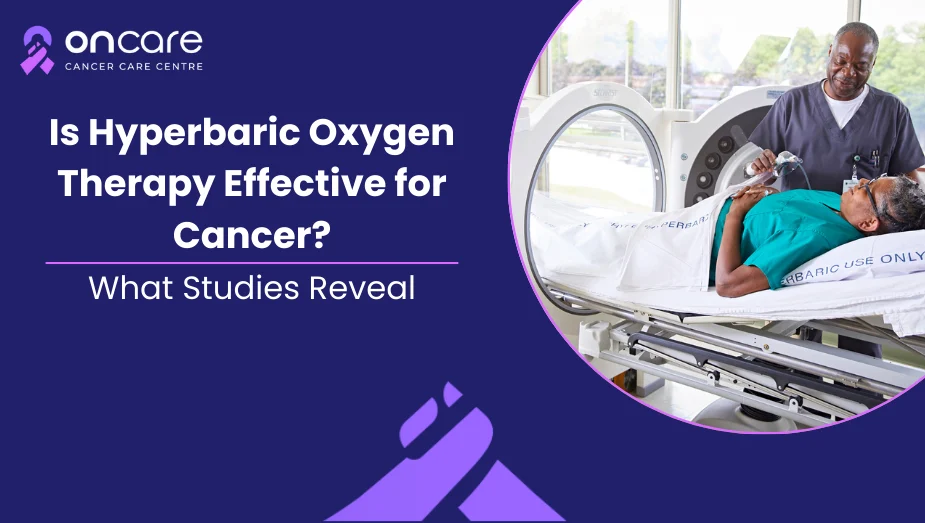
Think about a treatment that could help the body heal and make cancer treatments work better just by breathing pure oxygen in a pressurized chamber. This idea sounds promising and almost magical, but a lot of people want to know: Does hyperbaric oxygen therapy for cancer really help with cancer treatment?
We will talk about hyperbaric oxygen therapy for cancer in this article, including what it is, how it works, what research has shown about its role in cancer, and why scientists are still looking into how well it works. We will break everything down into simple, easy-to-understand language so you can get the main points.
What is the therapy with hyperbaric oxygen?
Hyperbaric Oxygen Therapy, or HBOT, is a medical treatment in which a person breathes 100% oxygen in a special chamber at a higher than normal pressure. The blood carries this extra oxygen to tissues all over the body, and the lungs can take in a lot more oxygen than usual because of the higher pressure. Doctors have been using HBOT for a long time to treat infections, chronic wounds, and decompression sickness. Researchers have been looking into its possible use in hyperbaric oxygen therapy for cancer lately.
What does hyperbaric oxygen do in the body?
It helps to know what happens in the body during hyperbaric oxygen therapy in order to understand how it might affect cancer. When someone breathes oxygen at a higher pressure in a hyperbaric chamber, their lungs take in a lot more oxygen than usual. This extra oxygen goes straight into the blood and is sent to tissues all over the body. It can get to places that don't usually get enough oxygen, like around tumors where blood flow is often poor. Hypoxia is when solid tumors have low oxygen levels, which makes them harder to treat with chemotherapy or radiation. This is a key reason researchers are studying hyperbaric oxygen therapy for cancer.
Circulation of Blood and Oxygen
Hyperbaric oxygen therapy makes it easier for oxygen to move through the blood and get to deeper tissues. Even places where blood vessels are broken or weak can get enough oxygen. Better blood flow helps tissues stay alive, heal, and work better, especially in areas of the body that are sick or being treated during hyperbaric oxygen therapy for cancer care.
How oxygen helps heal and fight disease
Oxygen is necessary for healing wounds and fighting off infections. It helps cells make energy, boosts the immune system, and lowers swelling and inflammation. Hyperbaric oxygen therapy is often used to treat non-cancer conditions like wounds that don't heal quickly and tissue damage from radiation, which is why hyperbaric oxygen therapy for cancer patients is gaining attention.
Why Cancer Treatment Needs to Have the Right Amount of Oxygen
Cancer treatments may not work as well if the tumors don't get enough oxygen. When there is more oxygen in the air, cancer cells may become more sensitive to radiation and some chemotherapy drugs. Researchers are studying whether hyperbaric oxygen therapy for cancer can improve treatment results by changing the tumor environment and helping other therapies work better.
Why scientists want to learn more about HBOT for cancer
The interest in HBOT for cancer comes from a few key ideas. Cancer cells often do well in places with little oxygen, which can make them hard to treat. Adding more oxygen to tumors might make them more sensitive to radiation and some drugs. Hyperbaric oxygen therapy for cancer could also help lower the risks that come with cancer treatments, especially those that come from radiation therapy.
Some people think that getting more oxygen might help the body fight cancer better by making cancer cells less aggressive and more likely to die. Some tests on animals and in the lab have shown that HBOT can slow down the growth of tumors and speed up apoptosis, which is when damaged cells kill themselves. These results are good, but most of them are from early research, so we need to do more studies in people before fully confirming the role of hyperbaric oxygen therapy for cancer.
What Studies Say About HBOT and Cancer
There has been more research on HBOT and cancer, but the results are still changing and not all of them are good. So far, the studies show this:
HBOT Doesn't Seem to Make Cancer Worse
In the past, a lot of people were afraid that giving extra oxygen might somehow make cancer grow faster. Nonetheless, analyses of numerous studies indicate that HBOT does not facilitate tumor growth, recurrence, or dissemination. This means that patients who get hyperbaric oxygen therapy for cancer don't seem to have worse outcomes when it comes to cancer progression because of the treatment.
HBOT Helps With Problems That Come Up After Cancer Treatment
People often use HBOT not to treat cancer directly, but to deal with problems that come up after radiation therapy. Radiation can hurt healthy tissues, especially in the head, neck, and pelvic areas. HBOT has been shown to help these damaged tissues heal faster, ease pain, and help with symptoms like chronic bleeding in the bladder after radiation. A comprehensive review of patients with radiation-induced complications indicated that most experienced symptom alleviation following hyperbaric oxygen therapy for cancer support.
Some Research Indicates Beneficial Outcomes on Tumors
Although the evidence is preliminary and constrained, certain laboratory and animal studies indicate that HBOT may enhance cancer outcomes. HBOT raised the amount of oxygen in lung cancer models, which slowed the growth of the tumors and caused the cancer cells die. These results indicate that oxygen can alter the tumor's microenvironment, rendering cancer cells more susceptible to therapeutic interventions using hyperbaric oxygen therapy for cancer.
HBOT might help radiation and chemotherapy work better
Some studies show that using HBOT with radiation therapy or chemotherapy can make those treatments work better. The idea is that oxygen makes radiation work better because it kills cancer cells more effectively when it is present. HBOT may also enhance the efficacy of chemotherapy drugs in penetrating tumors. These findings are promising for the future of hyperbaric oxygen therapy for cancer, but they need to be confirmed in bigger studies with people.
Is HBOT safe?
Safety is very important to consider. Most research shows that HBOT is usually safe when done in a hospital or doctor's office with trained professionals watching over the process. There is no strong evidence that hyperbaric oxygen therapy for cancer makes cancer spread or grow faster. Most side effects are mild, like ear or sinus pain from changes in pressure. More serious risks are rare. Everyone who gets HBOT must have a formal medical evaluation first, especially cancer patients.
What Holds Back Our Knowledge?
Doctors and scientists agree that the results so far are interesting, but we still need more large, high-quality clinical trials to prove beyond a doubt how well hyperbaric oxygen therapy for cancer works. A lot of the studies are small, done in labs, or only look at certain complications instead of cancer treatment in general. Because of this, top medical experts have not yet suggested that HBOT be used alone as a standard treatment for cancer.
Who Could Gain the Most?
People who are having side effects from radiation therapy, like tissue damage and slow healing, are the ones who are most likely to benefit from hyperbaric oxygen therapy for cancer right now. In these situations, HBOT can help with symptoms and may make life better. In some cases, it might also work as an addition to standard cancer treatments, but this should only be done with medical supervision.
Consult Today
So, does hyperbaric oxygen therapy for cancer work? The truth is that it can help with cancer treatment and side effects, but it is not a cure on its own. Clinical research indicates that HBOT is safe and may enhance the efficacy of radiation and chemotherapy while mitigating their associated complications. Before it can be used as a standard part of cancer treatment, though, more large-scale studies on people need to be done.
If you or someone you love is thinking about advanced cancer treatments, it's very important to pick the right hospital with great care and experienced oncologists. Oncare Cancer Hospital has experienced specialists, caring staff, and up-to-date treatment options that are tailored to each patient's needs. This is the best place to get complete care and personalized treatment plans. You deserve the best care possible as you fight cancer, and Oncare Cancer Hospital is here to help you every step of the way.
Frequently Asked Questions
Hyperbaric oxygen therapy for cancer raises the amount of oxygen in the blood and tissues. This can help with healing and, in some cases, make tumors more sensitive to radiation and chemotherapy.
No, current research does not show that hyperbaric oxygen therapy for cancer alone cures cancer. Most of the time, it's used to help with other treatments or to deal with side effects.
When done under the watchful eye of a doctor, hyperbaric oxygen therapy for cancer is usually safe, but it may not be right for everyone. First, a doctor needs to look at each patient's case.
Insurance coverage depends on where you live, what condition you have, and what policy you have. Many places will pay for hyperbaric oxygen therapy for cancer-related complications, especially problems that come up after radiation therapy.
Book an Appointment
Related Blogs
Is Chemotherapy Treatment Painful for Breast Cancer?
Many people fear chemotherapy pain in breast cancer. Learn whether chemotherapy really hurts, what discomfort may occur, and how doctors manage pain during treatment.
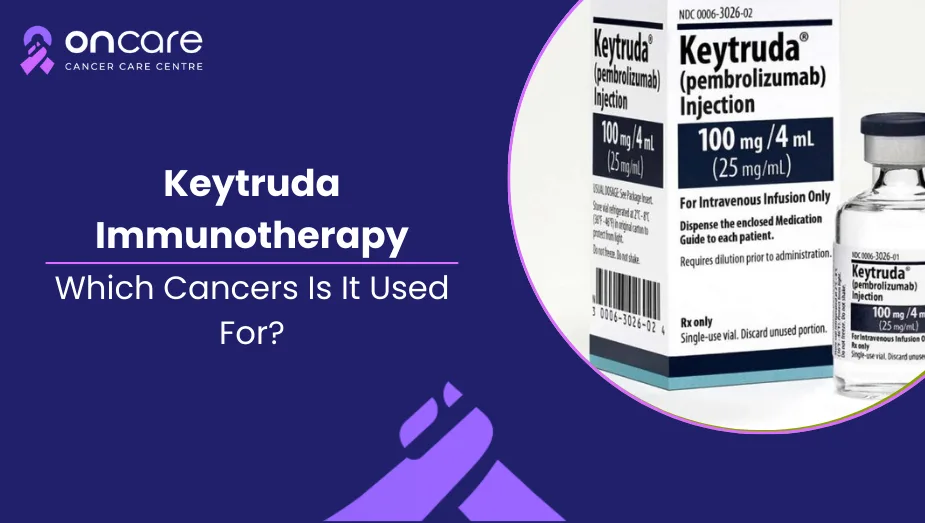
Keytruda Immunotherapy: Which Cancers Is It Used For?
Discover more about Keytruda immunotherapy and biomarker-based approval, what cancers are treated with Keytruda, and its benefits, challenges, and considerations!
Mouth Cancer Treatment Options: From Surgery to Immunotherapy
Discover more about mouth cancer treatment options and common symptoms, early detection and cancer preventive measures and lifestyle tips during cancer treatments!
What Is Targeted Therapy in Cancer and How Does It Work?
Discover more about Targeted therapy and how targeted therapy works, types of targeted therapy and its benefits, side effects and challenges and limitations.