Table of Contents
HPV Vaccine for Cancer Prevention: Benefits and Guidelines

By Raveena M Prakash


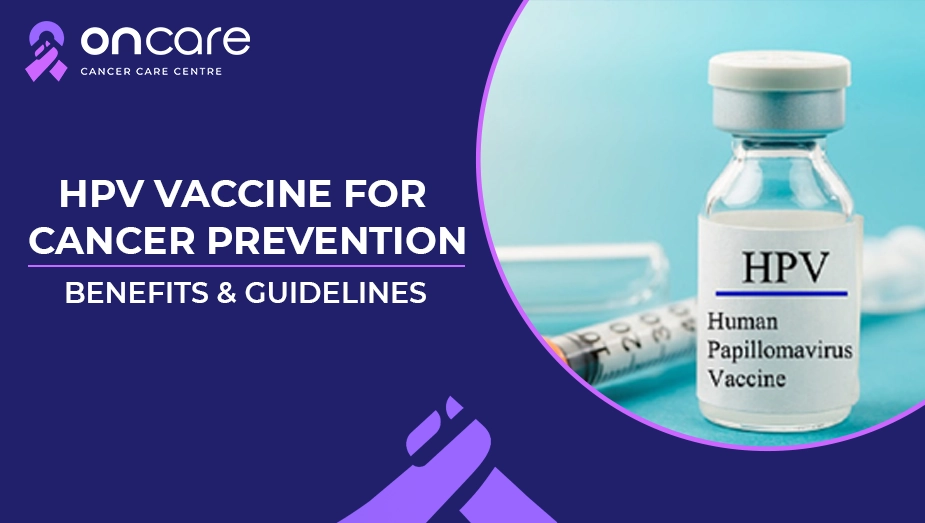
Human papillomavirus (HPV) is one of the most common viral infections leading to cancer, especially in people who are sexually active and are individually at risk of contracting it at some point in their lives. In most cases, HPV infections lead to the development of certain high-risk types of the virus, which often leads to the development of cervical cancers. But here’s the good news: the HPV vaccine provides a powerful way for cancer prevention and helps to reduce the risk of these cancers.
In this article, we’ll discover more about the benefits and who should get these vaccines and their guidelines and administration!
What are HPV vaccines?
The HPV virus is often referred to as a group of over 200 related viruses. These viruses are considered ‘high-risk’ groups and tend to cause cancers in people. The most dangerous type of these cancers is cervical cancer, which affects the cervix of women. Along with these viruses, it can also cause head and neck, anal, and penile cancers. The HPV virus can also cause genital warts, which is a non-cancerous condition that still carries a social stigma.
How these HPV vaccines works
The HPV vaccine is designed to prevent infection of the dangerous strain of HPV. There are several types of vaccines available today, including Gardasil and Cervarix, which protect against high-risk strains of the virus, primarily HPV types 16 and 18. These are responsible for the majority of HPV-related cancers. Gardasil is also designed to protect against HPV types 6 and 11, which cause genital warts.
The vaccine works by stimulating the immune system to identify and fight off these high-risk strains before they can cause any harm to the people. According to many reports, if people are vaccinated against the HPV infection before they are exposed to these viruses, then the vaccine provides long-term protection against the cancers caused by the HPV.
Benefits of the HPV vaccines
Here are some of the benefits of HPV vaccines, including:
- Cancer prevention: The main benefit of HPV vaccines is their ability to prevent cancer. Many studies have shown that these vaccines are highly effective in preventing the development of anal, cervical, vulvar, vaginal, and head and neck cancers caused by HPV. Vaccinating against the HPV infection can significantly reduce the incidence of these cancers in both men and women.
- Genital warts prevention: The HPV vaccination provides protection against the strains of HPV cancers, which also cause genital warts. These are not cancerous, but they can also cause discomfort, emotional distress, and, in some cases, long-term health complications.
- Safe and effective: The HPV vaccine has been tested extensively and proven to be safe and effective in humans. In most cases, people experience several symptoms, such as soreness at the injection site or a low grade fever. It's quite rare to get serious side effects due to vaccinations.
- Cancer prevention in both genders: Originally targeted at women and girls, the HPV vaccine is now recommended for both genders. This vaccine ensures that both men and women are protected against cancers caused by HPV, like oral cancer, throat cancer, and cervical cancer, which are increasingly considered a huge health concern.
- Widespread public health impact: The widespread vaccination against HPV-related cancers helps to reduce the burden of these cancers across the world. By vaccinating large groups of people, we can decrease the overall prevalence of HPV and reduce the long-term cost associated with cancer treatments and follow-up care.
Who should get the HPV vaccines
HPV vaccination is recommended in both girls and boys as part of your routine vaccination programs.
Here are the guidelines for those who should get these vaccines, including:
- Ages 9 - 14:These vaccines are given at the age of 9, though it is typically recommended in the age of 11-12. This age group requires two doses of these vaccines, spaced between 6 to 12 months apart.
- Age 11 - 12: The vaccines are ideally recommended for these age groups, before hitting adolescence and becoming sexually active. These age groups are highly effective when given before any exposure to the virus.
- Age 15 - 26: People in these age groups should be vaccinated if they haven’t gotten the vaccine earlier. These individuals need three doses of the vaccines over a 6-month period. These vaccines are still recommended for those who didn’t receive them earlier in life, they are still effective but these vaccines are most effective when given earlier.
- Ages 27 - 45: For adults aged between 27 to 45 have not been vaccinated, getting these vaccines in these ages also provide some protection against these viruses. However, the effectiveness is less when compared to getting vaccinated in the early ages.
HPV vaccine guidelines
The guidelines of HPV vaccines might slightly vary depending on the country or region. The following guidelines was recommended by major organizations like Center for Disease Control and Prevention (CDC) and then World Health Organization (WHO), Including:
- Two-dose schedule for children and adolescents: According to the experts, two doses of vaccines should be given 6-12 months apart.
- Three-Dose Schedule for Teens and Young Adults: A three-dose schedule should be followed, with doses given at 0, 1-2, and 6 months.
- Catch-up vaccination: Adolescents and young adults who missed the vaccination during the recommended age ranges can still get vaccinated until the age of 26.
- Routine vaccination: These HPV vaccines are usually given as part of the routine series of vaccinations for children and teens. These are often given alongside vaccines like those for meningitis and tetanus.
Consult Today
Getting vaccinated with the HPV vaccine is the most effective way to prevent cancer, especially cervical cancer. Vaccinated individuals before they are exposed to these viruses can reduce the incidence of HPV-related cancer and genital warts, resulting in healthy lives free from HPV-related cancers.
At Oncare, we offer premium-quality cancer treatments, including advanced cancer surgeries, at an affordable price range with an experienced cancer specialist consultation.
If you or any loved ones of yours are diagnosed with cancer, then visit Oncare Cancer Center and book an appointment with our experienced cancer specialist today! Get an estimated cost of your cancer treatment today!
Frequently Asked Questions
Ans: An HPV vaccine contains a simulation of the virus, not the actual live virus. These vaccines help to stimulate the immune system to produce antibodies, which fight against HPV.
Ans: HPV vaccines are known for reducing the risk of HPV-related cancers and genital warts in any person who is sexually active.
Ans: Here are few people who should avoid getting HPV vaccines, including:
- Pregnant women
- Previous reaction to a previous dose
- Having moderate to severe illness
Book an Appointment
Related Blogs
Preventive Chemotherapy: A Step Toward Stopping Cancer Early
Discover more about preventive chemotherapy and who needs to undergo preventive chemotherapy, common types, and its benefits, challenges and considerations!
Cancer Prevention Vaccine: Benefits, Myths, and Facts
Explore more about cancer prevention vaccines and unknown benefits and common myths about these preventive vaccines, and the future of cancer vaccines and hidden facts!
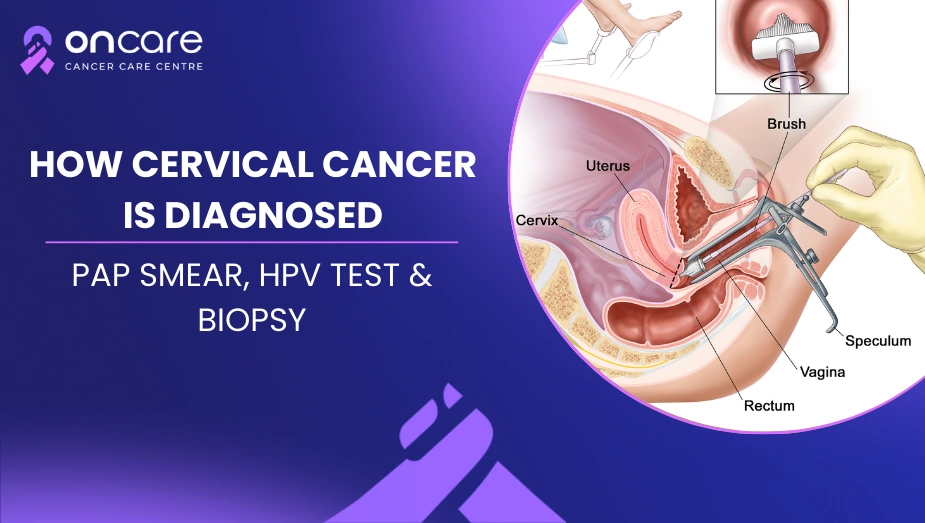
How Cervical Cancer Is Diagnosed: Pap Smear, HPV Test & Biopsy
Cervical cancer diagnosis—learn about Pap test, HPV test, screening methods, and early detection benefits. Get expert evaluation and care at Oncare today.