Table of Contents
How to Check for Lung Cancer: Step-by-Step Guide

By Prashant Baghel


It can be scary to hear the words "lung cancer," but knowing how to check for it can make a big difference. Finding something early on often means better treatment and a longer life. A lot of people put off getting help because they think their symptoms aren't serious or are caused by smoking, pollution, or a cold. The truth is that lung cancer can start quietly and grow without any clear signs.
This article explains in a simple and easy way how to check for lung cancer, what tests to do, what symptoms to look for, and why it's so important to get medical help as soon as possible.
Learning About Lung Cancer
Lung cancer starts when cells in the lungs grow out of control. These cells can make tumours and mess up how the lungs work normally. If lung cancer isn't found early, it can spread to other parts of the body. There are two main types: small cell lung cancer (SCLC) and non-small cell lung cancer (NSCLC). Small cell lung cancer spreads quickly and grows quickly, while non-small cell lung cancer is more common and grows slowly.
To learn how to check for lung cancer, you first need to know who is at risk. People who smoke, are around secondhand smoke, work with dangerous chemicals, or have a family history of lung cancer are more likely to get the disease. Age is also important; most cases happen to people over 50.
Step 1: Learn the Signs
Paying attention to your body is the first step in learning how to check for lung cancer. There may not be any signs of early-stage lung cancer. Some early warning signs, though, are a cough that won't go away, coughing up blood, chest pain, shortness of breath, wheezing, hoarseness, and getting lung infections like pneumonia or bronchitis over and over again. You might also feel tired, lose weight for no reason, and lose your appetite.
Even though these symptoms can be caused by other illnesses, it's very important to notice them early and tell a doctor. Regular health checks can help find cancer early, when it is still treatable.
Step 2: Go to the doctor
The next step in how to check for lung cancer is to see a doctor if you have any symptoms that don't go away. Your primary care doctor will look at your medical history, risk factors, and do a physical exam. They will ask you about your family history, smoking habits, lifestyle, and any past lung problems.
To hear strange sounds like wheezing or crackles, doctors may listen to your lungs with a stethoscope. This alone can't tell if you have lung cancer, but it can help figure out if more tests are needed.
Step 3: Tests that take pictures
Once your doctor thinks there might be a problem, the next step in learning how to check for lung cancer is to have imaging tests. CT scans and X-rays are the tests that are most often done.
A chest X-ray is often the first thing to do. It can show lumps, spots, or strange areas in the lungs. But X-rays might not show very small tumours, so a CT scan is usually the best way to get a clear picture. CT scans show a three-dimensional picture of the lungs and can show small nodules that could be signs of cancer.
People who are at high risk, especially those between the ages of 50 and 80 who smoke or have recently quit, should get low-dose CT scans. This way of screening for lung cancer helps find it before symptoms show up, which increases the chances of survival.
Step 4: Cytology of Sputum
Another test for lung cancer is sputum cytology. It looks for cancer cells in mucus that has been coughed up from the lungs. People who have a productive cough or early signs of lung cancer will find this test more useful. It is easy and doesn't hurt, but it can't take the place of imaging tests.
Step 5: Take a biopsy
A biopsy is the next step if imaging tests show a suspicious area. A biopsy is when a small piece of lung tissue is taken out and checked for cancer cells. There are a number of ways to do a lung biopsy:
A thin needle is put through the chest wall to reach the lung in a needle biopsy. To do a bronchoscopy, a flexible tube with a camera is put through the mouth or nose and into the lungs to collect tissue. If the area is hard to get to, surgery may be needed to get a bigger sample.
Biopsy results show if the abnormal tissue is cancerous and help figure out what kind of lung cancer it is. This is an important step in learning how to check for lung cancer and start the right treatment.
Step 6: More Tests for Staging
After doctors confirm that a patient has lung cancer, they do more tests to find out how far it has spread. This is known as staging. PET scans, MRI scans, and bone scans are some of the tests that may be done. Staging helps doctors figure out the best way to treat you, whether it's surgery, chemotherapy, radiation, immunotherapy, or a mix of these.
Knowing the stage of lung cancer also helps doctors give patients more personalised care and gives them a better idea of their prognosis.
Step 7: Checkups and screenings regularly
People who are at high risk should know how to check for lung cancer, which includes regular checks even if they don't have any symptoms. Long-term smokers or people with a family history of smoking should get low-dose CT scans every year. Regular screenings that find problems early on greatly improve the chances of successful treatment.
Step 8: Reduce your risk and live a healthy life.
Tests and scans aren't the only things that help find lung cancer. Living a healthy life lowers the risk and makes things better. The most important thing is to stop smoking. Avoiding secondhand smoke, chemicals that are bad for you, eating a balanced diet, staying active, and getting regular checkups are all good things to do.
Lung cancer patients can live longer and better if they find out about their disease early and follow healthy habits.
Help with feelings during screening
It can be hard to deal with tests and screenings for lung cancer. It's normal to feel anxious, scared, and unsure. During this time, it's important to get emotional support from family, friends, and counsellors. Support groups for people with lung cancer also give them comfort and advice, helping them understand the process and get ready for treatment if they need it.
Consult Today
Learning how to check for lung cancer can help people live longer. It's important to pay attention to early symptoms, see a doctor right away, and get the right imaging and biopsy tests. Regularly screening people who are at high risk and living a healthy lifestyle are both very important. When lung cancer is found early, it can be treated well, which raises survival rates and quality of life. The best care comes from picking the right hospital for diagnosis and treatment. Oncare Cancer Hospital has the latest diagnostic tools, skilled doctors, and tailored treatment plans to help patients with lung cancer at every stage of their illness.
Frequently Asked Questions
The first step is to pay attention to your body and look for signs like a cough that won't go away, chest pain, or trouble breathing.
Yes, people who are at high risk should get regular low-dose CT scans even if they don't have any symptoms.
A biopsy is done to make sure that cancer cells are present, usually after imaging tests show a suspicious area in the lungs.
People between the ages of 50 and 80 who smoke or have recently quit smoking, as well as those with a family history of lung cancer, should think about getting regular screenings.
Book an Appointment
Related Blogs
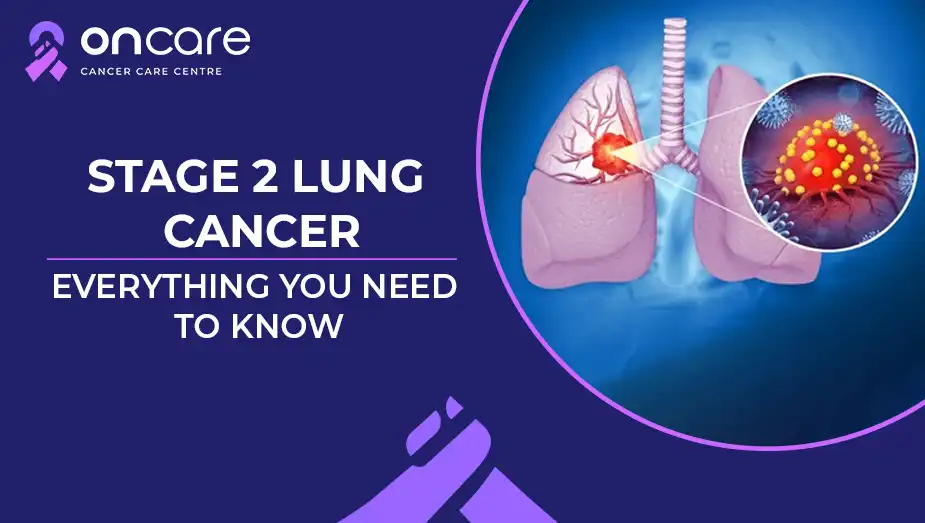
Stage 2 Lung Cancer: Everything You Need to Know
Learn about stage 2 lung cancer, its symptoms, how it is diagnosed, and treatment options. Understand early signs and why timely care improves recovery chances.
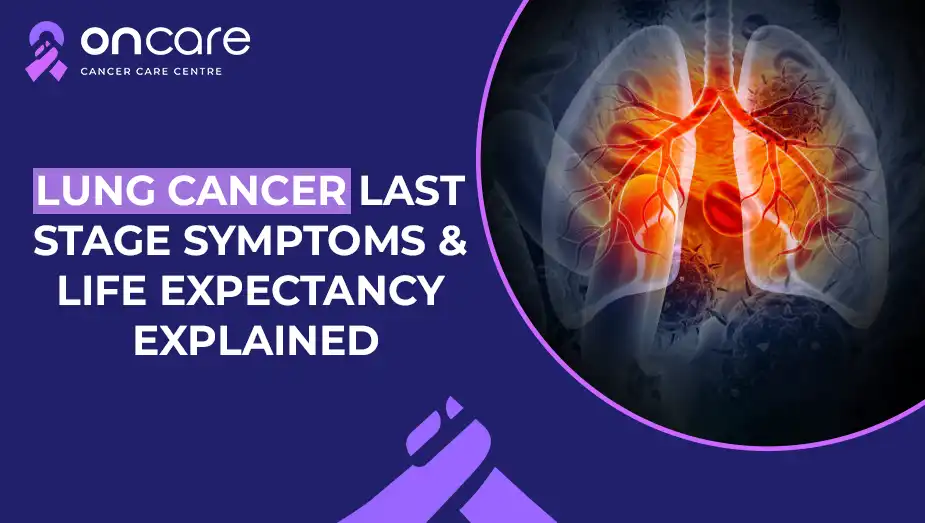
Lung Cancer Last Stage Symptoms and Life Expectancy Explained
Understand lung cancer last stage symptoms in simple words. Learn what happens in the final stage, how the body changes, and how to support your loved one with the right care.
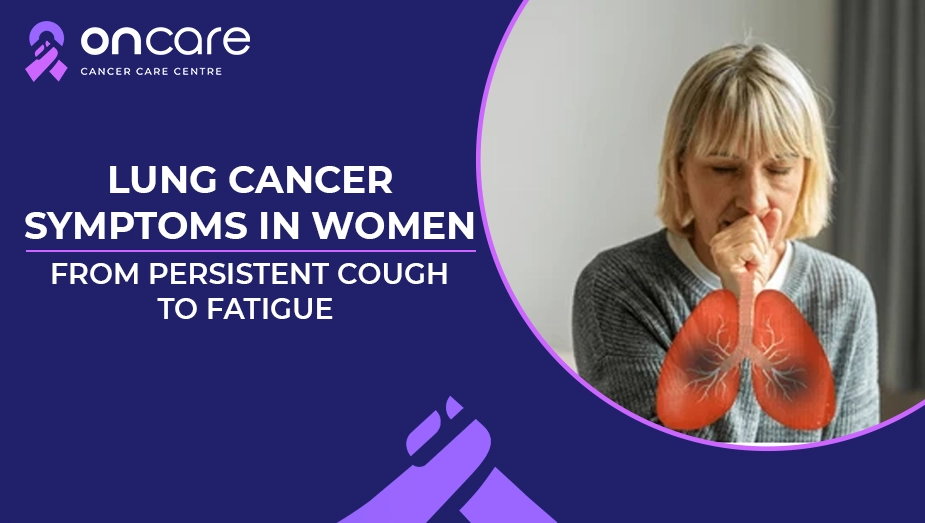
Lung Cancer Symptoms in Women: From Persistent Cough to Fatigue
Discover more about lung cancer symptoms in women, why these symptoms show up in women differently, from persistent cough to fatigue, and when to consult a doctor!
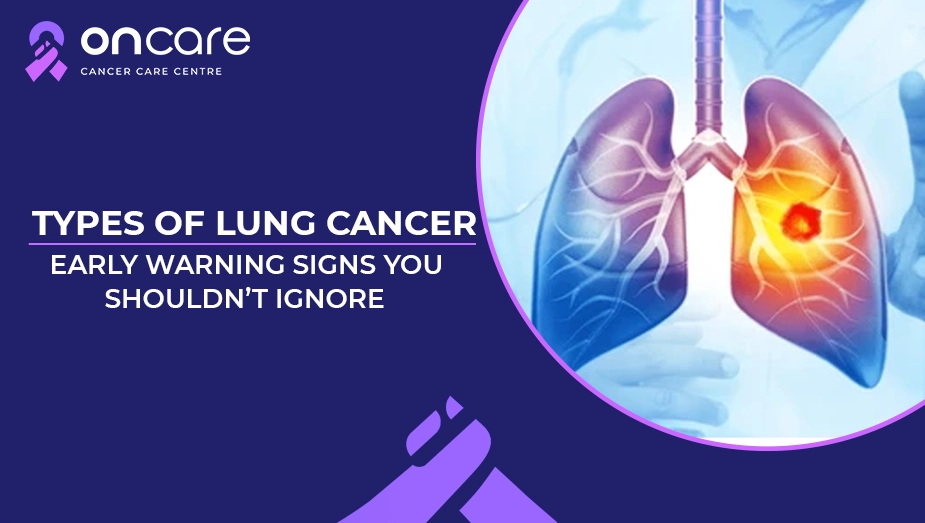
Types of Lung Cancer: Early Warning Signs You Shouldn’t Ignore
Discover more about lung cancer and its types, early warning signs people shouldn’t ignore, who is at risk of developing this cancer, and when to consult a doctor!