Table of Contents
How to Check for Cancer at Home: Simple Self-Exams

By Prashant Baghel


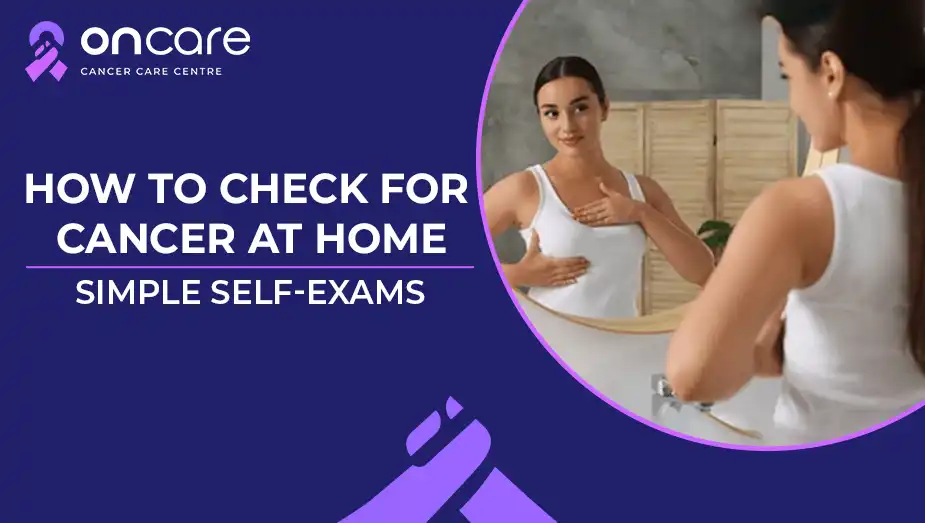
People don't think about cancer very much until they or someone they care about has it. But the truth is that treating cancer is easier the sooner it is diagnosed. This is why it's important to know how to check for cancer at home. You don't need any specific tools or medical training. You just need to be conscious, make some small changes, and be prepared to listen to your body.
This article shows you a very easy, straightforward, and basic technique for identifying warning flags. These measures don't take the role of a doctor, but they help you find problems early so you can get the right care in time.
Why Self-Exams Are Important
Not all of the time does cancer exhibit sudden symptoms. It can grow slowly for months or even years at a time. Most people don't realize they have it until the symptoms get too bad to ignore. But doing self-exams on a regular basis helps you notice even modest changes. Early indicators are frequently quite little, which is why it's helpful to know how to check for cancer at home. You shouldn't be afraid. It is being conscious of your health, feeling good about it, and being in charge of it.
You learn what is normal for you when you check your body calmly and often. Then, if something strange happens, you can see it right away. Self-exams don't tell you if you have cancer, but they can help you get medical treatment when you need it.
Looking for Changes in Your Skin
Your skin is the biggest organ in your body, and many types of cancer can show up on it early on. It's easy to check your skin at home. Look for any new spots, moles, or marks. If a mole gets bigger, darker, or changes shape, pay attention. Watch out for sores that don't heal after weeks. Sometimes, these alterations are the first indicators of skin cancer.
Changes in your skin may not seem dangerous, but it's best to get them looked at if they appear strange. This is one of the simplest ways to learn how to check for cancer at home because it only takes a few minutes and excellent lighting.
Touching for Lumps or Swellings
A little bump that can be felt from the outside is often the first sign of many kinds of cancer. People usually don't notice these lumps because they don’t hurt at first. You might identify unusual swelling by regularly feeling places such as your neck, underarms, breasts, and crotch.
Not every lump is malignant. Lumps can be caused by many harmless things. What matters is whether the lump is new, getting bigger, or feels different from the rest of your body. Knowing your body well helps you notice these changes early.
Checking the Breasts at Home
Breast cancer is one of the most frequent types of cancer, and finding it early can save lives. Simple breast self-exams are one important part of knowing how to check for cancer at home. You can feel your breasts lightly to see if there are any lumps, heavy spots, or changes in shape. Check in the mirror for changes in size, skin texture, or nipple position.
You don't have to worry about getting it perfect. The idea is to learn how your breasts normally feel so you can tell when something is different. Even a small change should be discussed with your doctor.
Paying Attention to Unusual Bleeding
Bleeding that doesn't make sense is one of the most common signs that something could be wrong. Bleeding between periods, after menopause, in urine, in stool, or when you cough up blood are all possible signs. These symptoms can be scary, but you should never disregard them. They do not always signify cancer, but they do mean you need to see a doctor.
One essential step in learning how to check for cancer at home is paying attention to unusual bleeding. Just listen to what your body is telling you.
Changes in How You Use the Bathroom
Cancer in the digestive or urinary system can change how you use the bathroom. You may have constipation that lasts for days, diarrhea that doesn't get better, frequent urination, or trouble passing urine. These changes aren't always serious, but if they last for weeks, they could be early signs of a problem.
You don't have to track every little thing, but if something repeatedly seems wrong, don't ignore it. Listening to your body is one of the best things you can do.
Weight Loss That Can’t Be Explained
Many people want to lose weight, but losing weight without trying can be a sign of something serious. If you suddenly lose weight or feel full very quickly, it could be linked to cancers of the stomach, pancreas, or lungs. Along with weight loss, you may also feel weak, tired, or lose your appetite.
People often ignore this sign because they feel happy about losing weight. But unexplained weight loss should never be overlooked. This is why knowing how to check for cancer at home is so important.
Changes in Your Voice or a Cough That Won’t Go Away
A cough that lasts for weeks or a hoarse voice that doesn’t improve may sometimes be a sign of cancer in the throat or lungs. Most people think these symptoms are from a cold, but colds usually go away quickly. If these symptoms stay for a long time, it's time to seek help.
You don’t have to panic, but long-lasting coughs or breathing problems should not be ignored.
Pain That Lasts a Long Time Without a Clear Cause
Pain is the body’s way of sending a warning. If you have pain that lasts for weeks or months without a clear reason, you may need to see a doctor. For example, back pain may come from sitting too long, but if it doesn’t get better with rest, it could be a sign of something more serious.
Not all long-lasting pain is cancer, but it’s important not to ignore it. Trusting your instincts is a key part of learning how to check for cancer at home.
Changes in the Mouth
Cancer can also show up in the mouth. Sores that don’t heal, white or red patches inside the cheeks, or lumps along the gums can be warning signs. People who smoke or drink heavily have a higher risk, but these symptoms can appear in anyone.
Checking your mouth only takes a few seconds, but it can help you spot changes early.
Tiredness That Doesn’t Go Away
It’s normal to feel tired after working or not sleeping well. But cancer-related tiredness is different. It feels heavy and does not get better, even after rest. If you feel weak or tired for weeks without any clear reason, it may be a sign that something is wrong.
This is not about being scared. It’s about understanding your body.
Why Home Checks Are Useful
You have power when you know how to check for cancer at home. It helps you catch changes early, reduces fear, and motivates you to act quickly. Home checks are not a replacement for medical exams, but they are an important first step. Early detection often leads to better outcomes, safer treatments, and easier recovery.
Consult Today
Your body talks to you every day, and one of the best ways to stay healthy is to listen to it. You have a better chance of finding problems early if you know how to check for cancer at home. Treat any strange lump, bleeding, long-lasting pain, or sudden change seriously. If something doesn’t feel right, trust your instincts and get help.
Oncare Cancer Hospital is one of the greatest places to get cancer care and advice because they have professional doctors, advanced treatments, and a caring staff. They guide you from your first tests to your last treatment with proper support.
Frequently Asked Questions
You can only see warning signs. A doctor must confirm the diagnosis.
Most self-exams should be done once a month.
No, many lumps are harmless, but any new or growing lump should be checked.
Get a proper medical evaluation as soon as possible.
Book an Appointment
Related Blogs
How to Check for Ovarian Cancer at Home: Self-Monitoring Guide
Learn how to check for ovarian cancer at home by tracking symptoms like bloating, pelvic pain, digestive changes, and fatigue. Self-monitoring helps with early detection.
How to Check for Breast Cancer at Home: Step-by-Step Guide
Learn how to do a breast self-exam at home for early detection of cancer. A simple, monthly routine to spot changes and take action for better health.
How to Check for Throat Cancer at Home: Early Signs You Shouldn’t Ignore
Discover more about how to identify the early signs of Throat cancer at home, and its symptoms and risk factors and how to prevent throat cancer and when to consult a doctor!

Chemotherapy Side Effects: 8 Home Remedies to Support Your Recovery
Chemotherapy side effects—learn common reactions, tips to manage them, and how to stay healthy during treatment. Get expert guidance and care at Oncare today.