Table of Contents
Hepatocellular Carcinoma: Prevention, Detection & Care

By Raveena M Prakash


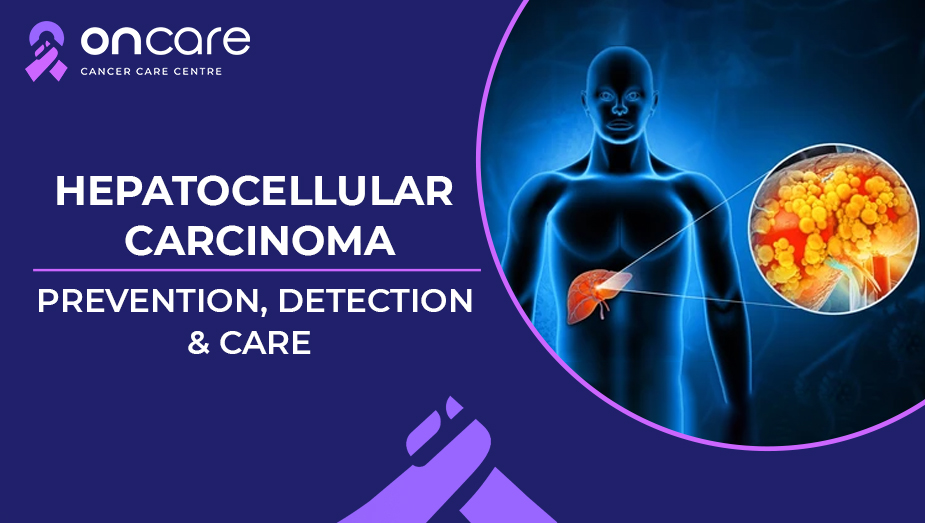
Hepatocellular carcinoma is the most common type of primary liver cancer and a growing health concern across the world. This type of cancer accounts for the majority of liver cancer cases, which remains the leading cause of the cancer-related deaths. Despite its seriousness, hepatocellular carcinoma is known as preventable, and early detection significantly improves the treatment outcomes.
In this article, we’ll discover more about the risk factors, prevention strategies and screening methods, and available treatments are essential for reducing the impact of the disease.
Understanding Hepatocellular Carcinoma
Hepatocellular carcinoma, also known as primary liver cancer, often develops from hepatocytes, which are the primary functional cells of the liver. In most cases, these cancers arise from the setting of chronic liver disease or long-term liver injury, which leads to inflammation, fibrosis, cirrhosis, and eventually malignant transformation.
Common risk factors for Hepatocellular Carcinoma
Early-stage hepatocellular carcinoma often causes no noticeable symptoms. When symptoms do occur, they may include abdominal discomfort, unintentional weight loss, fatigue, jaundice, and abdominal swelling, which often indicates an advanced disease.
Here are some of the most common risk factors for hepatocellular carcinoma, including:
- Chronic Hepatitis B or Hepatitis C infection
- Liver cirrhosis from any cause
- Excessive or long-term alcohol consumption
- Non-alcoholic fatty liver disease (NAFLD) and non-alcoholic steatohepatitis (NASH)
- Obesity, type 2 diabetes, and metabolic syndrome
- Exposure to aflatoxins from contaminated food
- Genetic and inherited liver conditions
Prevention: Reducing the risk of Liver Cancer
Preventing hepatocellular carcinoma begins with protecting the liver and managing the potential risk factors. Since most HCC cancer cases develop in individuals with chronic liver diseases, prevention strategies that can substantially lower the cancer incidence rates.
Key preventive strategies used to prevent liver cancer
- Viral hepatitis control in high-risk groups of people
- Hepatitis B vaccination is one of the most effective cancer preventions across the world.
- Early diagnosis and antiviral treatment for hepatitis B and C reduce liver inflammation and risk of liver cancer.
- Necessary healthy lifestyle adjustments and metabolic health
- Maintain a healthy body weight
- Follow a healthy, balanced diet rich in fruits, vegetables, and whole grains.
- Engage in regular physical activity
- Manage diabetes, cholesterol, and blood pressure effectively
- Environmental and medication safety
- Avoid the exposure of liver toxins and contaminated food products.
- Use medications and healthy supplements responsibly and under medical guidance
Importance of early detection
Early detection of hepatocellular carcinoma offers the chance of successful survival and curative treatment options as well. The HCC always develops silently without causing any major symptoms; regular cancer screenings are considered crucial for people in the high-risk category.
Performing regular screenings not only helps in identifying tumors at an early stage, but also allows doctors to monitor the overall health of the liver and manage any underlying health conditions, such as cirrhosis and hepatitis. By detecting HCC early, patients have high chances of receiving treatments that can remove the tumor, improve the quality of life and increase the long-term survival rates.
Who should undergo regular screening?
Here are some of the conditions that individuals with high-risk should undergo a regular screening, including:
- Patients with liver cirrhosis from any cause
- Individuals with chronic hepatitis B infection
- Patients with an advanced fibrosis or long-standing hepatitis C
- High-risk individuals with NAFLD and NASH conditions.
Here are the recommended screening tests, including:
- Perform liver ultrasounds for every six months
- Blood tests such as alpha-fetoprotein (AFP)
- CT scan or MRI if abnormalities are detected
Constant monitoring and surveillance allow the doctors to detect tumors to be identified at an early stage, when treatment options are more effective and less invasive.
Treatment options
The treatment of Hepatocellular carcinoma mainly depends on several factors including the tumor size, number of lesions, liver functions and the patient’s overall health. A multidisciplinary treatment and care approach ensures optimal treatment outcomes.
Curative treatment options
- Surgery: In these surgical resections, removal of the tumor in patients with preserved liver function.
- Liver transplantation: With this, a potential cure can be received for selected patients with an early stage of HCC and advanced liver cirrhosis conditions.
Other cancer therapies
In some patients, other cancer therapies such as radiofrequency and microwave ablation performed to destroy small tumors.
- Transarterial chemoembolization (TACE) to deliver chemotherapy directly to the tumor
- Transarterial radioembolization (TARE) using radioactive particles.
Systemic and Advanced Therapies
Here are some of the treatments used to treat hepatocellular carcinoma, including:
- Targeted therapies used in patients that block cancer growth pathways
- Immunotherapy that enhances the body’s immune response against cancer growth
- Combination therapies used for advanced stage or recurrent liver disease
Living with Hepatocellular carcinoma
Advances in early detection methods and effective treatments have significantly improved the survival rates for patients with hepatocellular carcinoma. Many cancer patients are now living longer, healthier, and improved quality lives following cancer diagnosis and treatments.
Here are the long-term considerations of hepatocellular carcinoma, including:
- Regular follow-up and monitoring of cancer recurrence
- An ongoing management of underlying liver disease
- Lifestyle modifications to protect liver health
- Emotional and social support systems
Consult Today
Hepatocellular carcinoma is a serious and complex health concern, yet largely preventable disease. Early detection combined with a multidisciplinary, patient - centric treatment approach offers the best chance of improved survival and quality of life.
At Oncare, we offer premium-quality cancer treatments, including advanced cancer surgeries, at an affordable price range with experienced cancer specialists today!
If you or any loved ones of yours are diagnosed with cancer, then visit Oncare Cancer Center and book an appointment with our experienced cancer specialist today! Get an estimated cost of your cancer treatments today!
Frequently Asked Questions
HCC is the most common type of primary liver cancer, originating from liver cells, hepatocytes, when the DNA changes, which causes abnormal growth and forming tumors that can manage the liver spread.
The major causes of hepatocellular carcinoma are:
- Viral hepatitis
- Cirrhosis
- Alcohol abuse
- Metabolic conditions
- Aflatoxin exposure
- smoking
According to many studies, the highest risk of developing hepatocellular carcinoma is in men, who are linked to hepatitis B, but it is rising globally due to obesity, diabetes, and hepatitis C, along with individuals with chronic liver disease, and especially cirrhosis from alcohol or fatty liver (NAFLD/NASH), who are also at extreme risk.
Book an Appointment
Related Blogs
Carcinoma vs Sarcoma: Understanding the Two Major Cancer Types
Discover more about understanding two major types of cancers, carcinoma vs. sarcoma and their types, and their key differences, diagnoses, and treatment approaches.
Intrahepatic Cholangiocarcinoma Risk Factors: Who Is at Higher Risk?
Learn about intrahepatic cholangiocarcinoma, its major risk factors, symptoms, and prevention tips. Understand how to protect your liver and reduce cancer risk.
What Is Carcinoma? Understanding This Common Type of Cancer
Discover more about carcinoma and how it develops in people, the types of carcinoma, and its diagnosis and treatment, and who’s at risk of developing this cancer.
Adrenocortical Carcinoma Treatment Options: Surgery, Medications, and More
Explore treatment options for adrenocortical carcinoma, including surgery, medications, and radiation. Learn how personalized care can enhance outcomes.