Table of Contents
Fibrolamellar Carcinoma: Everything You Need to Know

By Prashant Baghel


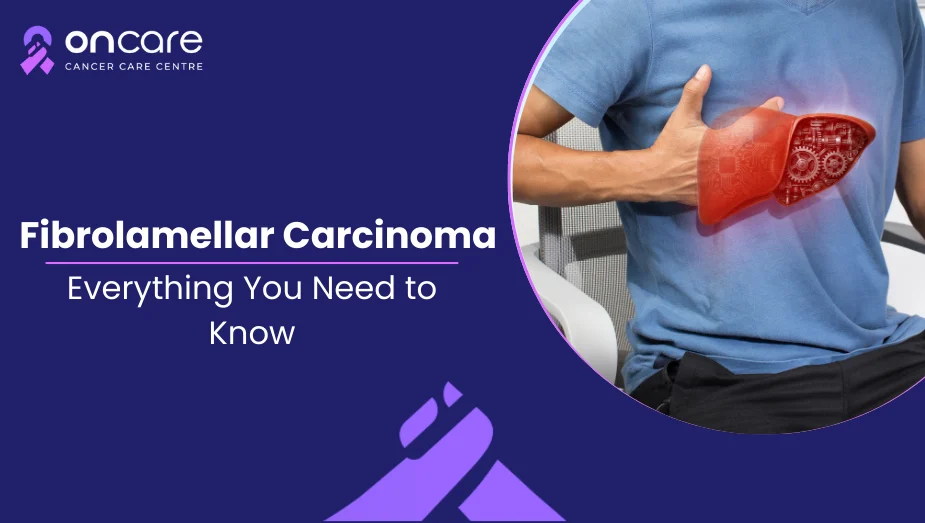
Think about how scary it would be to hear the word "cancer" when you are young, healthy, and active. It seems impossible. That is why fibrolamellar carcinoma is so often a shock. Teenagers and young adults who don't have liver disease or bad habits are most likely to get this rare type of liver cancer. Many people don't hear its name until after they have been diagnosed because it is rare and its early signs are easy to miss.
The purpose of this article is to help you understand fibrolamellar carcinoma in very simple terms. We will talk about what it is, why it happens, how to tell if you have it, how to treat it, and what life is like after treatment. This guide is meant to help you and anyone you know who is dealing with this condition.
What Is Fibrolamellar Carcinoma?
Fibrolamellar carcinoma is a type of liver cancer that isn't very common. It is different from other liver cancers because it mostly affects people between the ages of 10 and 35. People with liver cirrhosis, hepatitis, or long-term alcohol use don't usually get this type of liver cancer.
This cancer starts in liver cells, but when you look at them under a microscope, they don't look like normal liver cancer cells. The word "fibrolamellar" comes from the fact that they have thick fibrous bands. It is often misunderstood or diagnosed late because it is so rare.
How Fibrolamellar Carcinoma Is Different From Other Liver Cancers
Most liver cancers happen when the liver is hurt. Not fibrolamellar carcinoma. Before cancer starts, people with it often have a healthy liver. In many cases of fibrolamellar carcinoma, blood tests that usually help find liver cancer may look normal. This makes it harder to find early on.
Age is another thing that makes them different. Fibrolamellar carcinoma mostly affects young people, while common liver cancer mostly affects older people. You need to treat it differently because it acts, gets treated, and has different results.
What Causes Fibrolamellar Carcinoma?
We still don't know what exactly causes fibrolamellar carcinoma. It doesn't seem to have anything to do with things like smoking, drinking, or eating. Researchers have discovered that a lot of people with this cancer have a specific genetic change in the cells of the tumor. This change does not come from parents; it happens at random in liver cells.
There is no sure way to stop fibrolamellar carcinoma right now because the cause is not known. Anyone can get it, even people who live very healthy lives.
Symptoms of Fibrolamellar Carcinoma
Symptoms of fibrolamellar carcinoma usually come on slowly. At first, they often feel like normal stomach or digestive problems, which is why many people don't pay attention to them. It's easy to miss the signs of this cancer because it mostly affects young, otherwise healthy people.
Common First Signs of Fibrolamellar Carcinoma
Pain or discomfort in the upper right side of the abdomen, where the liver is, is one of the most common signs. At first, this pain might be dull and come and go, which makes it seem less serious. Many people also feel full very quickly while eating, even if they only eat a little bit. You can lose weight for no reason, even if you don't change your diet or activity level. Even after getting enough sleep, people often feel tired and low on energy all the time. Some patients experience nausea or discomfort in the stomach that persists over time.
Less Common but Clear Signs of Fibrolamellar Carcinoma
Sometimes, a person may feel or see a lump or swelling in their stomach. This usually happens when the tumor grows. Some people may get jaundice, which is when the skin or eyes turn yellow. This is less common in fibrolamellar carcinoma than in other types of liver cancer.
Why Fibrolamellar Carcinoma Symptoms Are Often Missed
The main problem with fibrolamellar carcinoma is that its symptoms are not very clear and are similar to those of common digestive problems. As a result, a lot of patients don't get diagnosed until the tumor has grown. Paying attention to symptoms that are getting worse or not going away and seeing a doctor early can help with getting the right diagnosis and better treatment results.
How Fibrolamellar Carcinoma Is Diagnosed
Imaging tests are usually the first step in making a diagnosis. Ultrasound, CT scan, or MRI may be used by doctors to look at the liver. These scans often show a large mass on the liver that has certain characteristics that make people suspicious.
Blood tests are also done, but the markers for liver cancer that are most common are often normal in fibrolamellar carcinoma. That's why imaging alone isn't enough. A biopsy is usually needed, which means taking a small piece of the tumor and looking at it under a microscope. This confirms the diagnosis and helps plan the treatment.
Fibrolamellar Carcinoma Stages
Finding out how far the cancer has spread is called staging. At first, the cancer only affects the liver. In later stages, it may spread to lymph nodes close by or to other organs, like the lungs or abdomen.
It's very important to know the stage because it helps doctors figure out the best treatment and gives them an idea of how likely it is that the person will get better. Finding it early usually leads to better results.
Treatment Options for Fibrolamellar Carcinoma
The main and best way to treat fibrolamellar carcinoma is with surgery. Surgery gives the best chance of long-term survival if the tumor can be completely removed. Surgery might still be possible even if the tumor is big, as long as there is enough healthy liver left.
In some cases, the cancer may come back after surgery. If the recurrence is small, more surgeries may be possible. If surgery isn't an option, other treatments like chemotherapy, targeted therapy, or immunotherapy may be used. Researchers are still looking into these treatments, and the results can be different for each person.
A liver transplant has also been done in some cases, especially when surgery can't safely remove the cancer but it's still only in the liver.
Life After Fibrolamellar Carcinoma Treatment
After treatment, life can be hard, both physically and mentally. It's very important to have regular follow-ups because fibrolamellar carcinoma can come back even years after treatment. Scans and blood tests are common during follow-up visits.
A lot of the patients are young and worried about school, work, and their families. Many people go on to live meaningful and active lives with the right medical care, emotional support, and healthy habits. Family, friends, and cancer care teams all play a big role in helping you get better.
Prognosis and Survival in Fibrolamellar Carcinoma
The prognosis of fibrolamellar carcinoma is contingent upon various factors, including the stage at diagnosis, the feasibility of surgical intervention, and the likelihood of cancer recurrence. Patients who have a complete surgical removal generally live longer than those who can't have surgery.
Because this type of cancer is rare, survival rates are different. But over time, better surgical techniques and cancer care have led to better results. Getting diagnosed and treated early at a cancer center with a lot of experience can make a big difference.
Mental and Emotional Support for Fibrolamellar Carcinoma Patients
Getting a diagnosis of a rare cancer can make you feel alone. A lot of patients are confused, scared, or angry because they don't have enough information. Talking to doctors honestly, joining support groups for patients, and getting counseling can all help you deal with stress and anxiety.
Taking care of your mental health is just as important as taking care of your physical health. During and after treatment, staying hopeful, informed, and supported can make life better.
Consult Today
Fibrolamellar carcinoma is uncommon, unforeseen, and frequently misinterpreted, yet it is not devoid of optimism. Many patients do well when they get an early diagnosis, expert care, and the right treatment plan. It is very important to pick the right hospital and medical team because this cancer needs special care.
Oncare Cancer Hospital is known for its modern cancer treatment and experienced specialists who are dedicated to helping patients recover and providing long-term care. They offer advanced diagnosis, personalized treatment, and compassionate care.
Frequently Asked Questions
No, you can't get fibrolamellar carcinoma from your parents. The genetic changes that are linked to it happen by chance and are not passed down from parents to children.
In many instances, particularly when identified early and addressed surgically, long-term management and resolution are achievable.
Most of the time, it happens to teens and young adults, but it can happen to anyone at any age.
At first, follow-ups are usually needed every few months, and then once a year after that, depending on what the doctor says and how the patient is doing.
Book an Appointment
Related Blogs
Lobular Carcinoma In Situ (LCIS): What You Need to Know
Learn more about Lobular Carcinoma In Situ and its types, causes and risk factors, symptoms, diagnosis, treatment options and lifestyle adjustments to lower the risks.

Verrucous Carcinoma: A Slow-Growing But Serious Cancer Type
Discover more about verrucous carcinoma and its causes, signs and symptoms, risk factors, how verrucous carcinoma is diagnosed, and its treatments and prevention!

Hepatocellular Carcinoma: Prevention, Detection & Care
Discover more about hepatocellular carcinoma and its common risk factors and its prevention, the importance of early detection, treatments, and living with liver cancer!
Carcinoma vs Sarcoma: Understanding the Two Major Cancer Types
Discover more about understanding two major types of cancers, carcinoma vs. sarcoma and their types, and their key differences, diagnoses, and treatment approaches.