Table of Contents
Environmental Risk Factors and Cancer: What’s the Connection?

By Dr. Gajendra Kumar Himanshu


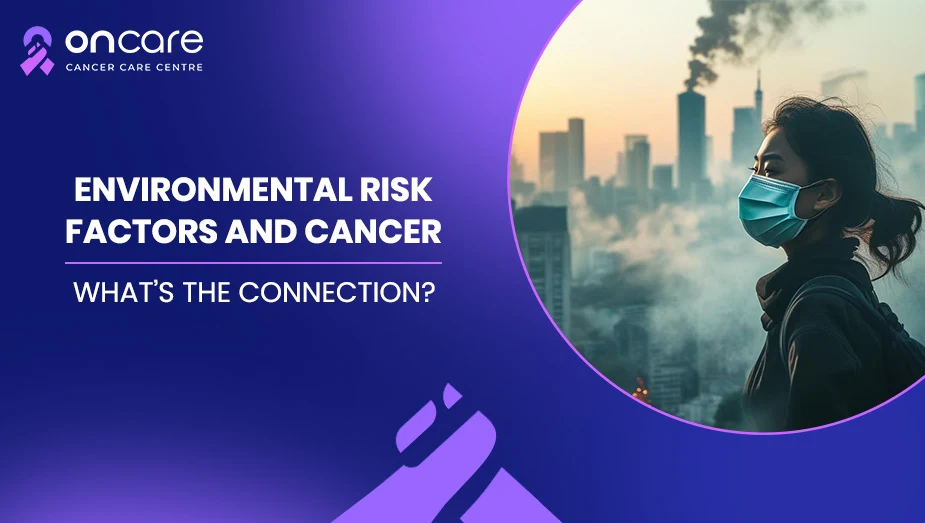
Have you ever thought about how the air you breathe, the water you drink, or even the place you reside could affect your health over time? Most people think that cancer is exclusively caused by things like smoking or heredity. But the truth is that your surroundings also have a huge effect.
We come into contact with many things every day, some of which are safe and others of which are not. Some things in the environment can make it more likely that you will get cancer over time. The good news is that once you know about these risks, you can avoid many of them.
We'll explain the link between environmental risk factors and cancer in a straightforward and transparent approach in this blog. This will help you make better health choices.
What Are the Risks to the Environment?
Things in your environment that are bad for your health are called environmental risk factors. These are:
- Pollution in the air
- Dirty water
- Being around dangerous chemicals
- Radiation, whether natural or man-made
- Dangers at work
Not every exposure causes cancer, but being exposed to it for a long time or at a high level might harm cells in the body. This damage could cause cells to proliferate out of control, which is how cancer starts.
How do things in the environment cause cancer?
DNA in your cells frequently becomes damaged before cancer occurs. Factors in the environment can:
- Alter or harm DNA
- Make tissues swell up
- Make the body's natural defensive system less strong
These effects might add up over time and make it more likely that you will get cancer.
For example, breathing dirty air every day might not hurt you right away, but over time it might hurt your lungs and raise your risk of getting cancer.
Environmental Factors That Cause Cancer
1. Pollution in the air
One of the biggest environmental problems these days is air pollution. It has smoke, dust, and bad gases from cars, factories, and burning fuels.
Long-term exposure to dirty air can cause lung cancer and other breathing problems. The Central Pollution Control Board says air quality is worsening in several Indian cities.
For further information, visit the official government website of the Central Pollution Control Board.
2. Smoke from tobacco (passive smoking)
Being near smokers can still hurt you, even if you don't smoke. Secondhand smoke has compounds in it that can raise the risk of lung cancer.
This is especially bad for kids and older adults because they are more susceptible to pollution.
3. Water that isn't safe to drink
Water that has been polluted may contain dangerous substances, such as arsenic or industrial waste. Drinking this kind of water for a long time can raise the risk of getting cancer, notably skin, bladder, and liver cancer.
The Jal Jeevan Mission and other government programs try to make sure that everyone in India has access to safe drinking water:
4. Exposure to radiation
Radiation can come from both natural and man-made sources. For example, sunshine is a natural source, and medical imaging and industrial radiation are man-made sources.
- Skin cancer can happen if you get too much UV radiation from the sun.
- Being around a lot of radiation can raise the risk of getting other malignancies.
You can lower your risk by doing simple things like wearing sunscreen and staying out of direct sunlight during the hottest parts of the day.
5. Dangers at Work
At work, some people are around dangerous chemicals, such as:
- Chemicals used in industry, such as asbestos and benzene
If safety rules aren't followed, workers in construction, factories, or mining may be at greater risk.It is vitally crucial to wear safety gear and observe safety rules.
Who Is Most Likely to Get Hurt?
Environmental dangers can impact everybody, although some groups are more likely to be hurt by them:
- Kids (their bodies are still growing, so they are more sensitive)
- Older folks
- People who work with chemicals
- People who live in locations with a lot of pollution
Genetics and lifestyle also have an effect; the level of risk can be different for each person.
How to Lower Your Risk of Getting Cancer from the Environment
You can't control everything around you, yet minor changes can have a tremendous impact:
At Home
- Drink clean water
- Don't smoke indoors.
- Make the air flow better
Outside
- Put on masks in places with a lot of pollution.
- If you can, stay away from areas with a lot of traffic.
- Limit your time in the sun during peak hours.
At Work
- Follow the guidelines for safety
- Wear safety gear
- Have frequent health checkups.
The first step to stopping something is being aware of it.
Why Being Aware Is Important
Health information should always come from reliable sources and experts. The World Health Organization, government health departments, and cancer research institutions are just a few of the groups that examine environmental dangers on a regular basis.
Doctors and cancer experts often stress the importance of finding cancer early and stopping it from happening. People can move quickly and avoid unnecessary risks when they have accurate knowledge.
You can better protect yourself and your family when you trust accurate, expert-backed information.
Consult Today
Environmental factors are a big part of cancer risk, although many of these dangers can be avoided. You can stay safer by taking easy precautions to limit your exposure if you know how your surroundings affect your health.
If you experience strange symptoms or are worried about being in dangerous conditions for a long time, you should see a doctor right away. Oncare Cancer Hospital offers proven treatment options and assistance for patients who need sophisticated care and expert advice.
Taking care of your surroundings today can help you stay healthy tomorrow.
Why Oncare: Listen to Our Patients





Frequently Asked Questions
Yes, being around polluted air and other dangerous elements for a long time might raise the risk of some cancers, especially lung cancer.
No, it's normal to have modest levels of natural radiation. But being around it for a long time or a lot can raise the chance of cancer.
To make sure your water is safe, you can get it tested or utilize government-approved filtering equipment.
You can't totally avoid it, but you can make a big difference by adopting safer choices in your life and the environment.
Written and Verified by:

Dr. Gajendra Kumar Himanshu Exp: 10 Yr
Medical Officer
Book an Appointment
Related Blogs
दिल्ली NCR में ब्लड कैंसर का बेस्ट हॉस्पिटल कौन सा है?
जानिए ब्लड कैंसर क्या होता है, इसके लक्षण, इलाज की प्रक्रिया और दिल्ली NCR में ब्लड कैंसर का बेस्ट हॉस्पिटल कैसे चुनें।अनुभवी डॉक्टर और बेहतर देखभाल की पूरी जानकारी।
What Causes Blood Cancer: Genetic, Environmental & Lifestyle Triggers
Learn what causes blood cancer, including genetic, environmental, and lifestyle factors. Understand risks, symptoms, and when to seek medical help for early detection.
Cancer Treatment in Ghaziabad: Costs, Types & Why Patients Trust Oncare
Discover top cancer treatment options in Ghaziabad, including types, costs, and why Oncare is the best choice for personalized care and advanced medical support.