Table of Contents
Does PCOS Lead to Ovarian Cancer? The Facts You Need to Know

By Prashant Baghel


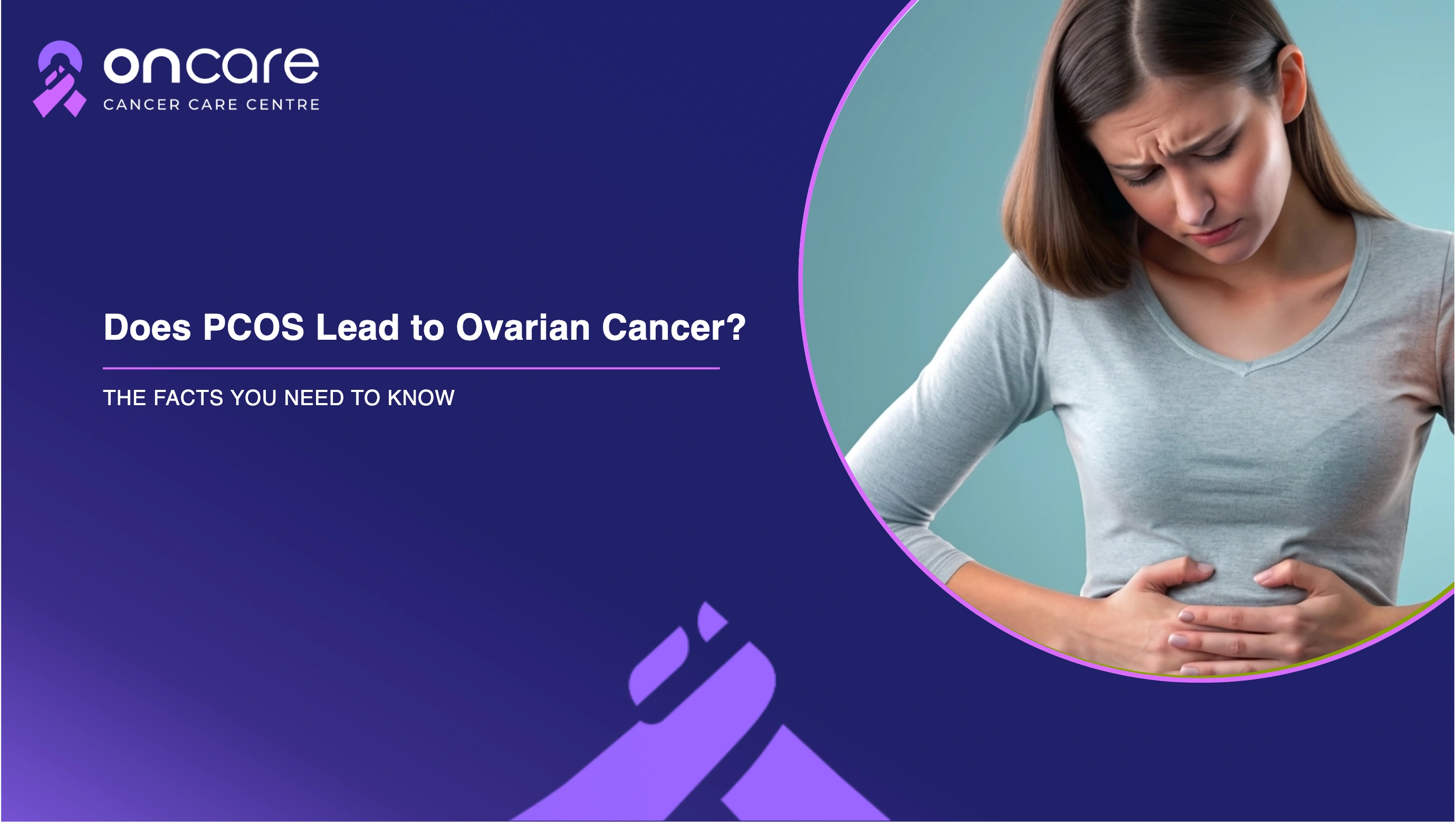
Many women find it hard to deal with hearing about PCOS (Polycystic Ovary Syndrome). But when people ask, does PCOS lead to ovarian cancer, the fear can grow even more. PCOS affects millions of women around the world. It can cause periods to be irregular, hormones to change, and even infertility. A lot of people want to know if having PCOS makes it more likely that you'll get ovarian cancer later in life.
This article will talk about this subject in very simple and clear terms. You will learn the facts, the risks, and what you can do to stay healthy by the end.
What is PCOS?
Polycystic Ovary Syndrome (PCOS) is a disease that affects a woman's reproductive system. Women with PCOS often have several small cysts on their ovaries, hormones that are out of balance, periods that are not regular, and sometimes trouble getting pregnant. PCOS can also make you gain weight, get acne, and grow too much hair. We don't know exactly what causes PCOS, but genetics, lifestyle, and insulin resistance are all important factors.
What is Cancer of the Ovaries?
Ovarian cancer starts in the ovaries, which are the female reproductive organs that make eggs and hormones. When ovarian cells grow out of control, they can make tumors and, in some cases, spread to other parts of the body. People often call ovarian cancer a "silent disease" because its early signs are mild and easy to miss. Some common signs are bloating, pain in the stomach, irregular periods, and tiredness. Finding it early is the key to successful treatment.
Does PCOS Lead to Ovarian Cancer?
Does PCOS cause ovarian cancer? This is what every woman wants to know. It's not easy to say what the answer is. Studies indicate that women with PCOS may possess a marginally elevated risk of specific ovarian cancer types; however, having PCOS does not guarantee the development of ovarian cancer. A lot of women with PCOS never get cancer. Knowing how the two are related can help you take better care of your health.
How PCOS Could Raise the Risk of Ovarian Cancer
Hormonal Imbalance
Women with PCOS frequently exhibit elevated levels of androgens, commonly referred to as male hormones. Their levels of estrogen and progesterone may also be out of whack. Some studies suggest that a long-term hormonal imbalance could lead to abnormal cell growth in the ovaries, which could slightly raise the risk of ovarian cancer. But the overall risk is still pretty low.
Menstrual Cycles That Are Not Regular
PCOS can make periods come and go, which means the ovaries don't release eggs on a regular basis. This can cause the lining of the ovary to be exposed to estrogen for a longer time without progesterone balancing it out. Long-term exposure may raise the risk of specific ovarian anomalies, which in infrequent instances, could progress to cancer.
Being Overweight and Having Insulin Resistance
A lot of women with PCOS are overweight or obese and may not be able to use insulin properly. Both of these conditions can make the body more inflamed and cause hormonal imbalances. Some studies suggest that obesity and insulin resistance may indirectly elevate the risk of ovarian cancer, although this risk is not significantly high for the majority of women.
Genetic Factors
Genetics play a role in PCOS. Some types of ovarian cancer are also passed down through families. A family history of ovarian or breast cancer may elevate your risk, irrespective of PCOS. So, genetics may be more important than PCOS alone when it comes to cancer risk.
Lowering Your Risk While Having PCOS
PCOS may slightly raise the risk of ovarian cancer, but there are many ways to stay healthy and lower your risk. Regular gynecological checkups, eating well, keeping a healthy weight, and keeping insulin levels in check can all help. Women with PCOS should see a doctor right away if they notice any strange changes in their bodies, such as sudden bloating, pelvic pain, or changes in their menstrual cycles.
Finding it Early Is Important
Finding ovarian cancer early is very important for successful treatment. Women with PCOS shouldn't panic, but they should be careful. Ultrasounds, pelvic exams, and blood tests like CA-125 (if your doctor says you should) can help keep an eye on the health of your ovaries. The best chance for effective treatment and recovery is to find it early.
Advice on How to Live with PCOS
A Healthy Diet and Regular Exercise
A diet rich in fruits, vegetables, and whole grains can help you keep your weight and hormones in check. Regular exercise makes insulin work better and lowers inflammation.
Hormone Therapy
To help with PCOS symptoms, doctors may give patients hormonal medications to regulate their periods and lower their androgen levels. Keeping your hormones in balance may also lower the risks to your ovarian health.
Checkups with a Doctor on a Regular Basis
Regular visits to a gynecologist or endocrinologist help keep an eye on hormone levels, ovarian health, and early signs of any problems.
How to Deal with Stress
Stress can change hormones and make you less healthy overall. Meditation, yoga, and getting enough sleep can help the body stay in balance and lower the risk of problems that come with PCOS.
Consult Today
So, does PCOS lead to ovarian cancer? The truth is that PCOS may raise the risk a little, but it doesn't mean that ovarian cancer is certain to happen. Most women with PCOS do not get cancer. The best ways to stay healthy are to be aware, make healthy choices, and see a doctor regularly.
Oncare Cancer Hospital is a great place for women who want expert care and the newest treatments. The hospital has experienced doctors, cutting-edge technology, and personalized support to give patients hope and help them get better.
Frequently Asked Questions
No, most women with PCOS do not get ovarian cancer. The risk is a little higher, but it's not certain.
If you suddenly feel bloated, have pelvic pain, notice changes in your periods, or feel tired for no reason, you should see a doctor.
Yes, keeping a healthy weight, working out regularly, and controlling hormones can all lower risks.
Oncare Cancer Hospital offers advanced care, expert doctors, and personalized support for women's cancer and health care.
Book an Appointment
Related Blogs
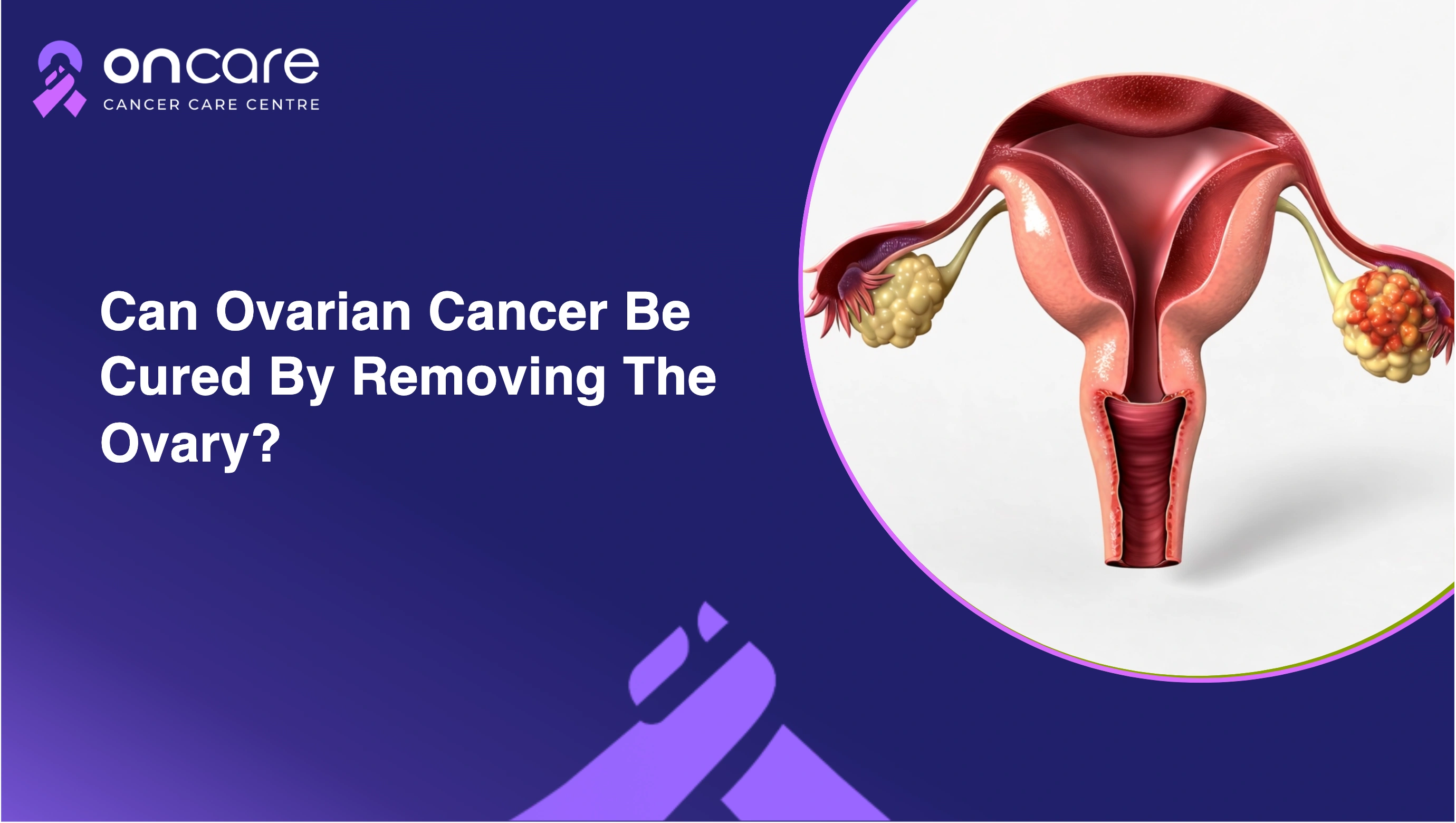
Can Ovarian Cancer Be Cured By Removing The Ovary?
Can ovarian cancer be cured by removing the ovary? Learn when surgery is enough, when more treatment is needed, and how early detection improves survival.
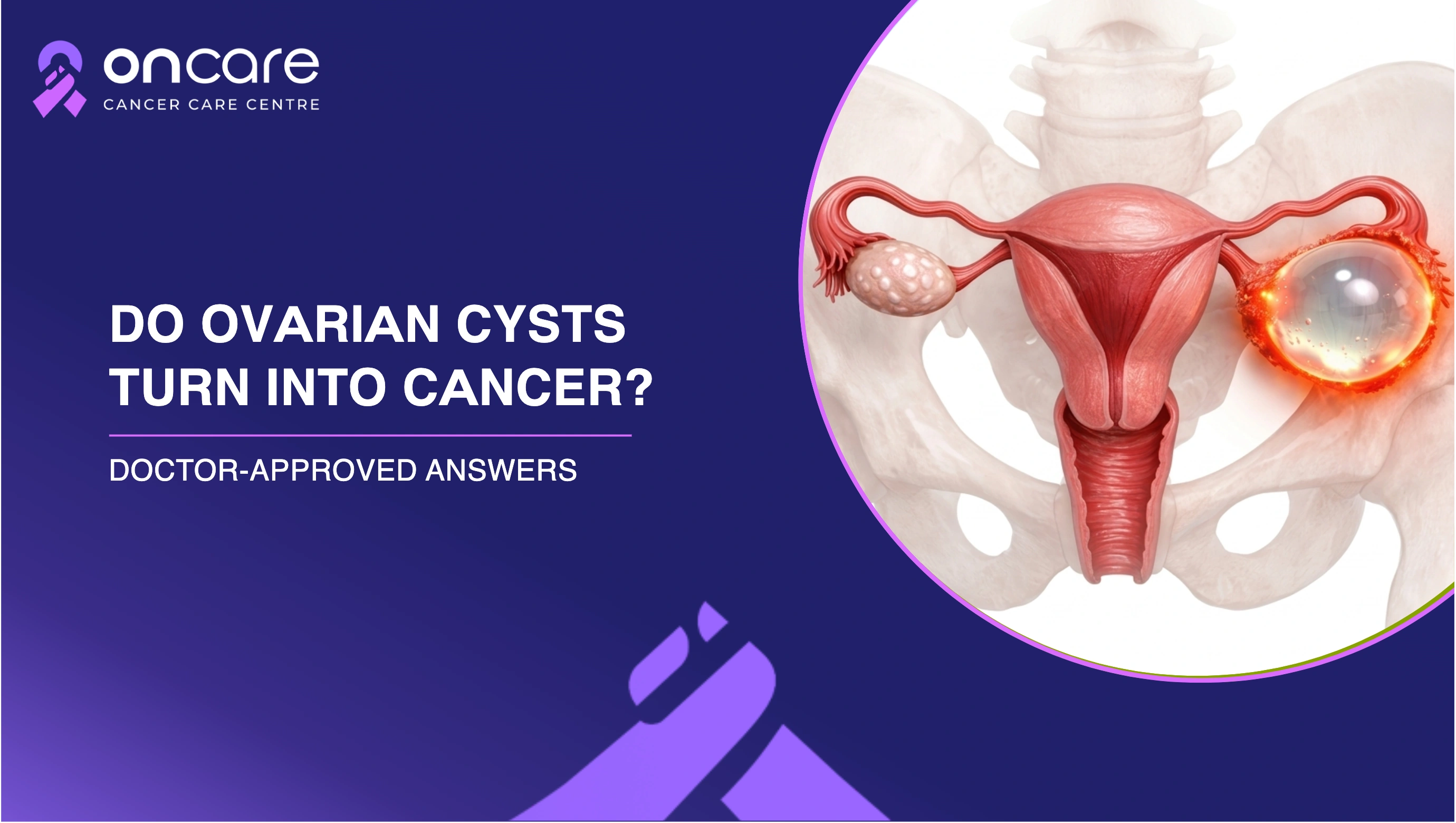
Do Ovarian Cysts Turn Into Cancer? Doctor-Approved Answers
Can ovarian cysts cause cancer? Learn what ovarian cysts are, when they are harmless, cancer risk factors, diagnosis, and treatment options in simple terms.
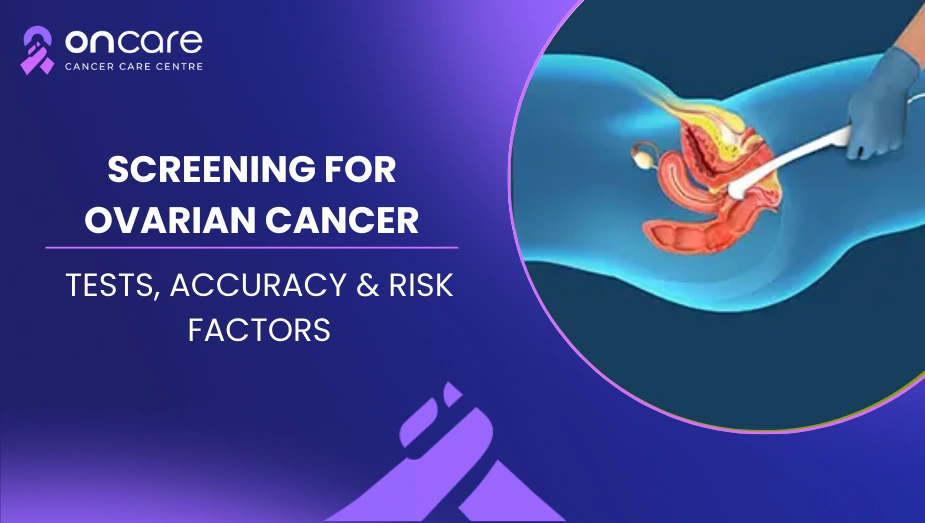
Screening for Ovarian Cancer: Tests, Accuracy & Risk Factors
Discover ovarian cancer test options, symptoms, risk factors, screening, cost & early diagnosis. Trust Oncare Cancer Hospital. Book your consultation today.
Stromal Ovarian Tumors in Young Women: Warning Signs
Discover more about stromal ovarian tumors and cancers and why young women need to be aware of key warning signs and symptoms to watch out for and when to consult a doctor!