Table of Contents
How Do Clinical Trials Work in India?

By Prashant Baghel



People don't feel hopeful straight away when they get a new drug. It is vitally important to test any new drug or treatment very rigorously before it can be given to the public. This process needs a lot of time, planning, and safety checks. Many people hear about research projects and worry if they are safe. Some folks are interested but don't know what to do. A lot of people want to know how clinical trials work in India.
Clinical trials are studies that test novel medications, treatments, or medical equipment on people. This research helps doctors find safer and more effective ways to treat ailments. Clinical trials are necessary for modern medicine to improve. This is how all the therapies that are approved today got there.
India has strong guidelines for clinical trials to keep patients safe and make sure that therapies are examined correctly. This article will explain in easy, pleasant language how clinical trials function in India, who can take part, how safety is maintained, and what patients should know before they sign up.
A Guide to How Clinical Trials Work in India
To understand how clinical trials work in India, you need to know that they follow both legal and moral rules. The Central Drugs Standard Control Organization (CDSCO) is the group that runs clinical trials in India. This authority makes sure that all research follows the government's guidelines for health and safety.
Before researchers may launch a clinical experiment, they must get clearance from an Ethics Committee. This group, which goes over the study plan, is made up of medical professionals and people who are not connected to the study. They make sure the trial is safe, fair, and necessary. They also think about the good and bad things. Before the experiment may begin, this approval must be provided.
Clinical trials usually happen in different stages, which are called phases. Each step has a certain goal. Some phases are largely about safety, while others are mostly about how well the treatment works. Some steps look at how the new therapy is different from the one that is already in place. Every step is closely examined to keep patients safe. This approach is well thought out and makes it easy to see how clinical trials run in India.
The Different Stages of Clinical Trials in India
When you read about how clinical trials work in India, you will typically hear about the many steps that researchers take. The purpose of these processes is to test one treatment at a time.
Tests in Phase 1
Phase 1 trials are the first step in testing on people. This stage only involves a small number of people. The key purpose is to make sure that everything is safe. Doctors determine out the proper amount by seeing how the body reacts to the treatment. They watch the people who are taking part closely to see if they have any negative effects. This is the phase where researchers check to see if the treatment is safe enough to go on to the next step.
Tests for Phase 2
There are more people in Phase 2 trials. Doctors are generally interested in how well the medication works for a specific ailment at this time. There are still safety inspections going on, and people are writing down any side effects they notice. Researchers check to see if the drug works. If the results are good, the treatment moves on to the next step.
Tests for Phase 3
More people are taking part in Phase 3 trials. They compare the novel treatment to the one that is already being used. This lets doctors decide if the new alternative is better, safer, or just as good. The outcomes of Phase 3 studies are very important because they enable the people in charge decide whether or not to let a medicine be sold.
Phase 4 Trials
Phase 4 trials happen after a medicine has been licensed and is available for sale. Even after patients have been approved, doctors keep a watch on them to assess how safe and successful the treatment is over time. At this point, you might be able to uncover adverse effects that are really rare and weren't noticed before. This constant monitoring reveals that India's clinical trials have a very solid safety framework in place.
Who Can Join Clinical Trials
Another key part of understanding how clinical trials function in India is knowing who can take part in them. Not everyone can join every trial. Each study has its own set of restrictions that tell those who may and can't participate.
Some of these factors could be the person's age, the type of sickness, the stage of the illness, the therapies they have already had, and their overall health. Doctors carefully review a patient's medical history to determine their eligibility.
Before they join, patients get a piece of paper called an informed consent form. This form tells the person what the study is about, what the risks and rewards are, and what their rights are. Everything is made clear in simple terms. Patients should take their time and ask questions before making a decision. They consent to be part of the study by signing the form.
You should always remember that you can choose to take part. Patients can leave the clinical trial at any moment and still get the same medical care they always do. This independence is a crucial feature of how clinical trials run in India.
How to Keep Patients Safe in India
Safety is one of the most crucial things to know about how clinical trials function in India. A lot of people are afraid of hazards, but there are strong procedures in place to keep everyone safe.
Ethics Committees check on trials that are still going on. If you have any major side effects, you need to tell someone straight away. A trial could be placed on hold or discontinued if there are safety issues.
There are also laws from the Indian government concerning how to pay people back. If someone in a clinical research study gets wounded badly, they may be able to get medical attention and money to help them, according to the rules.
Hospitals that undertake trials need to have the necessary instruments and staff who know how to use them. Regular checks and visits make sure that everything is done right. Patients feel better about how clinical trials run in India because of this thorough system of supervision.
Consult Today
You can see that clinical trials in India have tight rules, safety inspections, and moral standards that they must follow now that you know how they work. Every step, from receiving permission from the government to keeping an eye on things, is meant to keep people safe.
Clinical trials help medical research improve and give individuals new ways to cure their illnesses. Before you join a study, though, you should talk to your doctors and family.
If you want to get sophisticated care or take part in research, it's vitally crucial to pick the correct institution. Oncare Cancer Hospital provides up-to-date equipment, skilled staff, and caring staff. You can trust a medical team to help you comprehend things, answer your questions, and make good health decisions.
Frequently Asked Questions
Before new drugs and treatments can be used by everyone, they have to go through clinical trials to make sure they are safe and work.
Yes, they follow tight government standards, seek permission from an ethics board, and always keep an eye on things to keep people safe.
You can choose whether or not to take part, and you can exit the study at any moment without disrupting your usual therapy.
The research sponsor normally pays for the testing and therapy, but patients should make sure they know everything before signing up.
Book an Appointment
Related Blogs
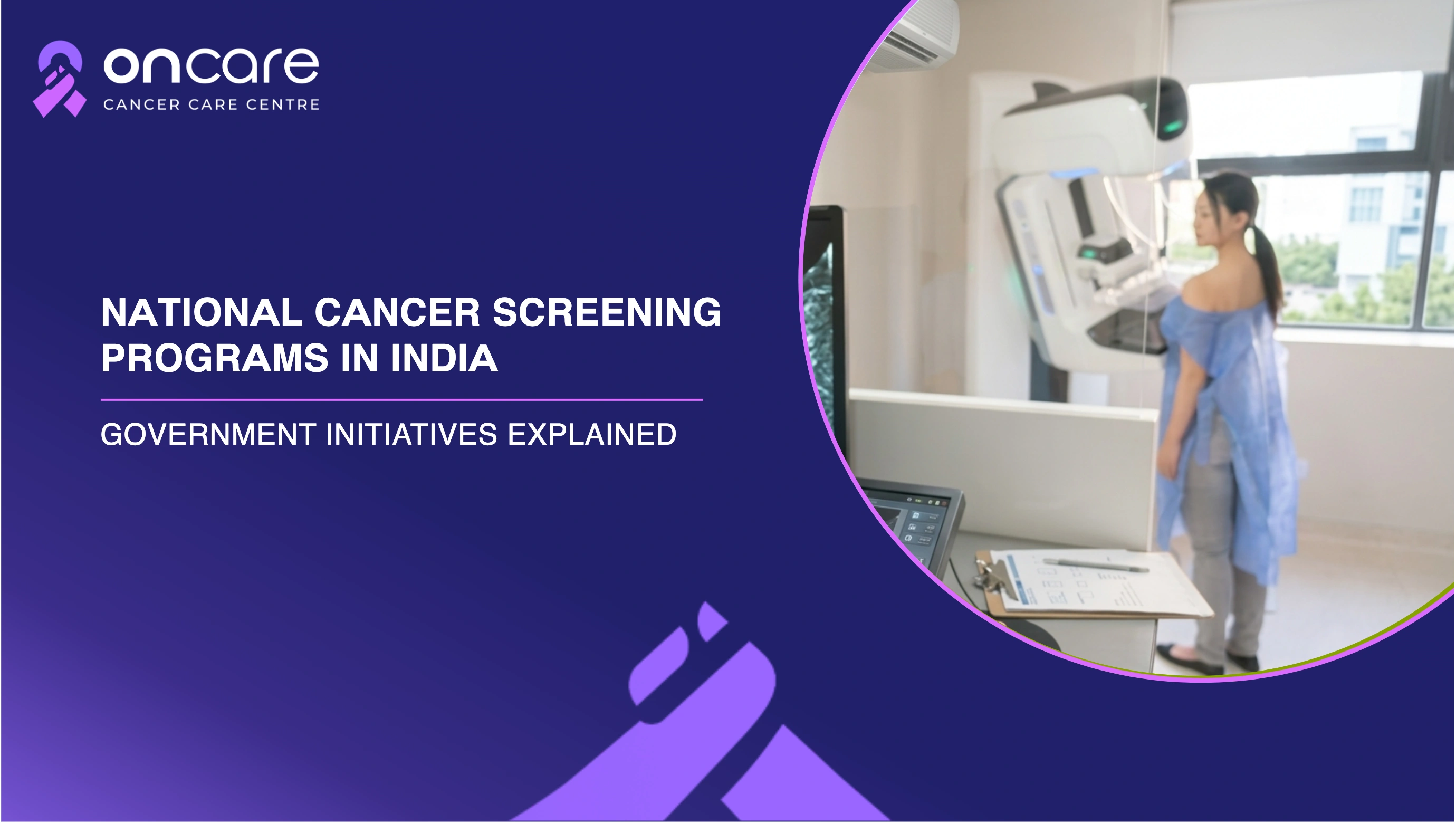
National Cancer Screening Programs in India: Government Initiatives Explained
Learn how national cancer screening programs in India help detect breast, cervical & oral cancers early. Access screenings and expert care for better outcomes.
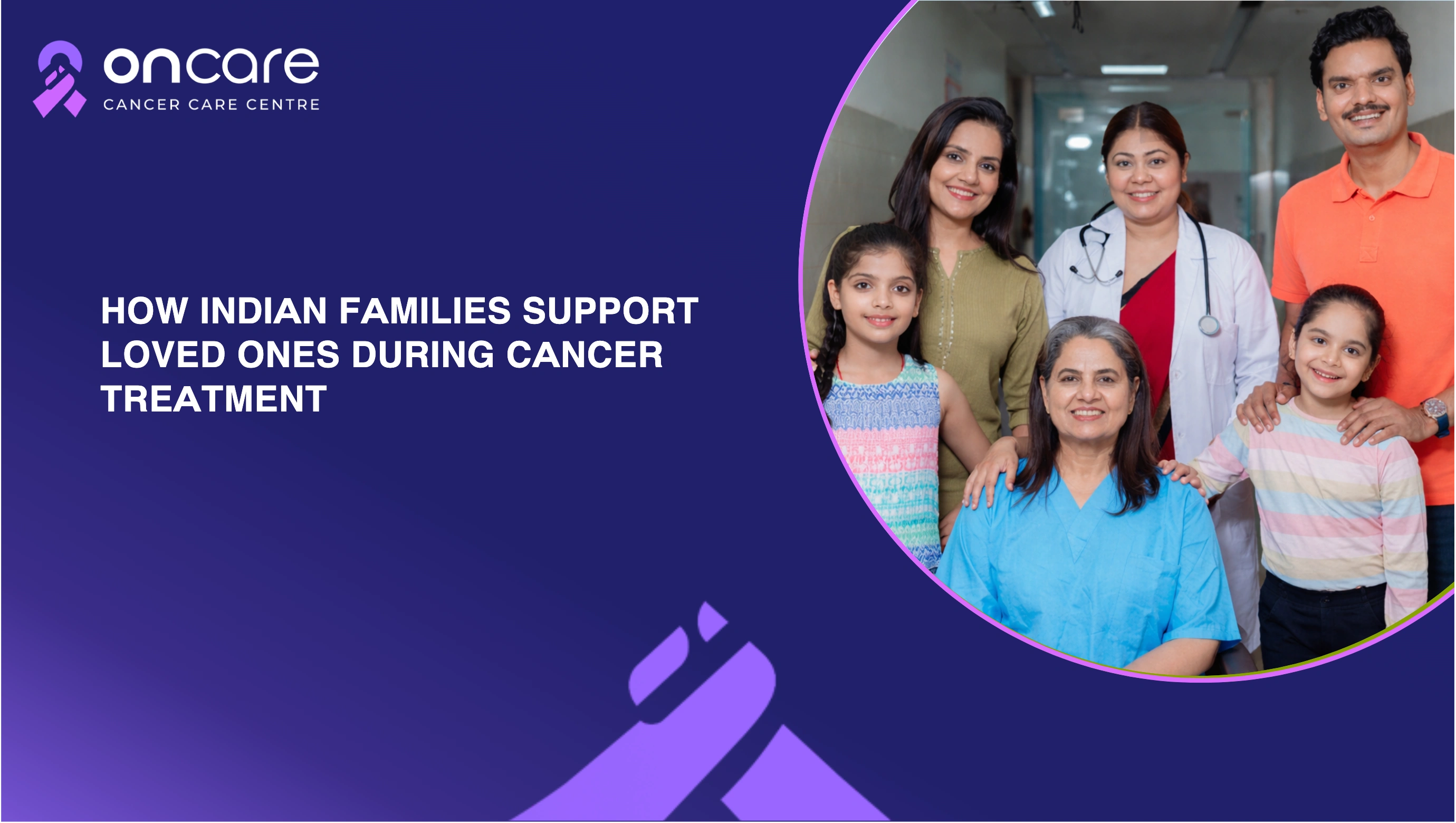
How Indian Families Support Loved Ones During Cancer Treatment
Learn how family support during cancer treatment helps patients stay strong emotionally, mentally, and physically. Discover the importance of care and unity.
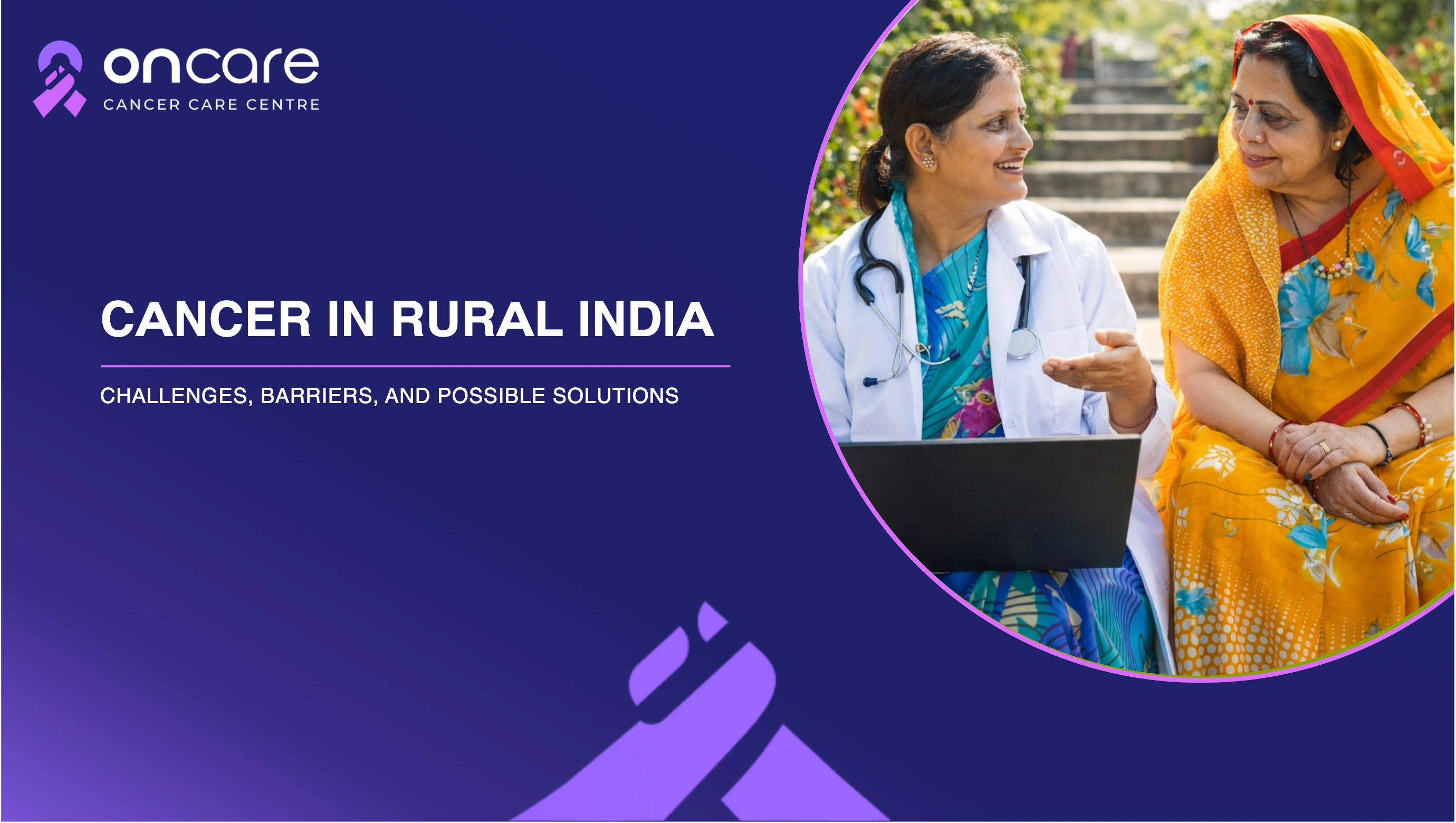
Cancer in Rural India: Challenges, Barriers, and Possible Solutions
Learn about cancer in rural India, key challenges, and barriers to care. Consult Oncare Cancer Hospital today for expert cancer treatment and support.

Cancer and Diet in Indian Cuisine: Traditional Foods That Support Recovery
Explore cancer and diet in Indian cuisine and learn how traditional Indian foods support recovery. Consult Oncare Cancer Hospital today for expert cancer care.