Table of Contents
Cervical Cancer Screening Test: When and How Often Should You Do It?

By Prashant Baghel


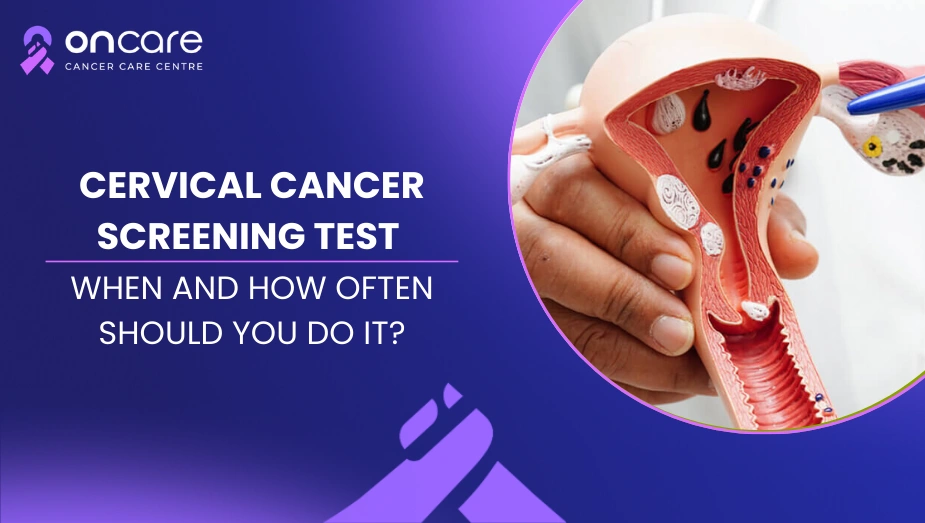
Have you ever thought that a single, simple test could save your life? A lot of women think they don't need to worry about cancer because they feel fine. But in the beginning, cervical cancer often doesn't show any signs. This is why a cervical cancer screening test is so important. It helps find problems before they turn into cancer. Early detection cervical cancer care can help you feel better and protect your health. In this article, we explain why this test is important and how it keeps you healthy.
Cervical cancer starts in the cervix, which is the lower part of the uterus. The human papillomavirus (HPV) is the virus that causes most of the cases. Fortunately, routine cervical cancer screenings let doctors find abnormal cells early and treat them before they can do any damage. A simple test for cervical cancer can make a big difference. This article talks about how important it is to get screened regularly and take action early.
Cervical Cancer Screening Test: What Is It?
A cervical screening test looks for abnormal cells or indications of HPV infection in the cervix. Another name for it is a test for cervical cancer screening. You do not necessarily have cancer based on this test. It merely looks for any alterations that might eventually result in cancer.
The HPV test and the Pap smear are the two most popular cervical cancer test options. Both tests are occasionally administered simultaneously as part of a complete test for cervical cancer. At a clinic or hospital, these tests are quick, easy, and typically only take a few minutes.
Before their first cervical cancer screening test, many women experience anxiety. However, the process is typically painless. You might experience some minor discomfort, but it will pass quickly. For your long-term health, scheduling routine cervical screening test appointments is a wise move.
What Makes Early Detection Crucial?
Stops Cancer Before It Begins
Prevention is the primary objective of a cervical cancer screening test. Before they develop into cancer, doctors can identify abnormal cells through a cervical cancer detection test. Cervical cancer risk can be reduced by treating these cells early. Because treatment is much simpler in its early stages, early detection cervical cancer truly saves lives.
Absence of Early Symptoms
Cervical cancer may not exhibit any symptoms in its early stages. A woman might feel perfectly normal. For this reason, even if you feel well, a test for cervical cancer screening is necessary. Waiting for symptoms instead of doing regular screening of cervical cancer can delay treatment and make the condition more serious.
Improved Outcomes of Treatment
Early detection of cancer often results in easier and more effective treatment. Women who receive an early diagnosis are far more likely to survive. The likelihood of identifying issues early is increased by routine cervical cancer test appointments and proper follow-up.
When Should Cervical Screening Begin?
Women should begin screening of cervical cancer at age 21, according to most doctors. If the results are normal, a Pap smear, which is a type of cervical cancer test, is typically performed every three years between the ages of 21 and 29.
Women between the ages of 30 and 65 may get an HPV test every five years, a Pap test every three years, or both tests every five years as part of a regular cervical cancer screening test plan. Based on your medical history, your doctor might recommend the best schedule for your test for cervical cancer.
If women over 65 have previously had consistent, normal results, they might not require additional cervical screening test appointments. But it's always best to talk to your doctor about this.
You might require more frequent cervical cancer screening test visits if you have specific risk factors, such as a compromised immune system or a history of abnormal results.
How Do You Complete the Test?
Easy and Fast Process
You will lie on an examination table for the cervical cancer test. To get a clear view of the cervix, the doctor carefully inserts a tiny device called a speculum into the vagina. The cervix's cells are then removed using a tiny brush or spatula. This sample is sent to a lab for analysis as part of the cervical cancer detection test.
A test for cervical cancer screening typically takes less than ten minutes to complete. After the test, you can immediately return home and carry on with your routine.
Does It Hurt?
The majority of women only experience slight discomfort during a cervical screening test. Some people might experience mild pressure. It shouldn't hurt too much. Consult your physician if you are experiencing anxiety before your cervical cancer screening test. They can help you relax and provide guidance.
How to Get Ready for the Exam
Avoid sexual activity, vaginal creams, and douching for 24 to 48 hours before the cervical screening test to obtain accurate results. Additionally, it is preferable to avoid scheduling the cervical cancer test during your menstrual cycle.
Comprehending Your Test Findings
It could take a few days to receive the results of your cervical cancer detection test. You can proceed with your recommended routine screening of cervical cancer if the results are normal.
The presence of abnormal cells in the results of a cervical cancer screening test does not necessarily indicate cancer. Frequently, the alterations are slight and disappear on their own. To be certain, your doctor might advise another test for cervical cancer screening or further examination.
An HPV-positive result from a cervical cancer test indicates the presence of the virus. This outcome is not uncommon because HPV is widespread. Your physician will advise you on what to do next and whether you need another cervical screening test sooner.
Cost and Availability of Cervical Screening Tests
The price of the cervical screening test can vary by test type, hospital, and city. In many locations, government health centers offer a cervical cancer screening test for free or at a reduced cost. Private hospitals might charge more, particularly if HPV and Pap tests are performed together as part of a complete test for cervical cancer.
Cost concerns should not be an excuse for skipping a cervical cancer screening test. The cost of treating cervical cancer is significantly lower when it is found through early detection cervical cancer care than when it is advanced. Numerous clinics and hospitals provide affordable packages that include a cervical cancer detection test at a reasonable cervical screening test price.
Consult Today
Your strength lies in your health. A cervical cancer screening test is one small step that can safeguard your future. It is easy, quick, and can save your life through early detection cervical cancer. Don't wait for symptoms to appear. Regular screening of cervical cancer and timely cervical cancer test appointments enable medical professionals to identify and address issues before they worsen.
Selecting the appropriate hospital is crucial if you or a loved one receives a cervical cancer diagnosis. Oncare Cancer Hospital provides advanced technology, skilled physicians, and complete support for cancer patients. For the best treatment and compassionate care, trust Oncare Cancer Hospital to guide you toward recovery and better health.
Frequently Asked Questions
While an HPV test looks for the virus that can cause those cell changes, a Pap test looks for abnormal cervical cells. Both are types of cervical cancer test used in a test for cervical cancer screening.
Depending on their age and past results, most women should get a cervical cancer screening test every three to five years. Always follow your doctor’s advice for regular screening of cervical cancer.
Yes, the cervical screening test is extremely safe. It is a simple and low-risk cervical cancer detection test that supports early detection cervical cancer.
Abnormal results from a cervical cancer test do not always mean cancer. Your doctor may suggest another test for cervical cancer or further checks. Taking quick action after a cervical cancer screening test helps prevent serious problems.
Book an Appointment
Related Blogs
Cervical Cancer Awareness Month: Know the Facts, Save Lives
Learn more about cervical cancer and its signs and symptoms and the importance of World Cervical Cancer Awareness Month and its key facts and why cervical awareness matters!

Stage 3 Cervical Cancer Survival Rate Guide for Patients & Families
Learn about the stage 3 cervical cancer survival rate, treatment options, symptoms, and factors that influence recovery. Understand what to expect and how timely care helps.
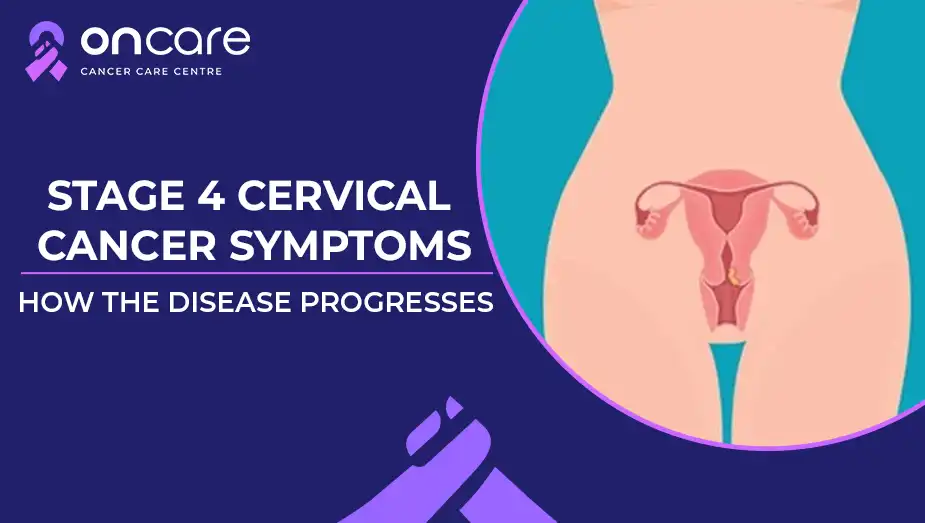
Stage 4 Cervical Cancer Symptoms: How the Disease Progresses
Learn the major stage 4 cervical cancer symptoms, how they progress, and when to see a doctor. Get clear guidance on warning signs, causes, and treatment options.
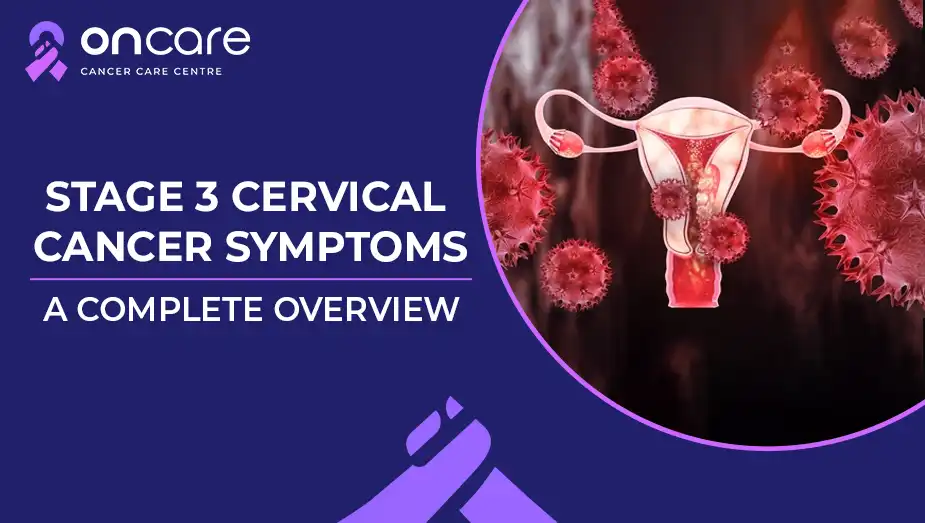
Stage 3 Cervical Cancer Symptoms: A Complete Overview
Learn all stage 3 cervical cancer symptoms in clear and simple words. Understand early signs, advanced changes, and when to seek treatment. Get reliable information to stay aware and take timely action.