Table of Contents
Carcinoma vs Sarcoma: Understanding the Two Major Cancer Types

By Raveena M Prakash


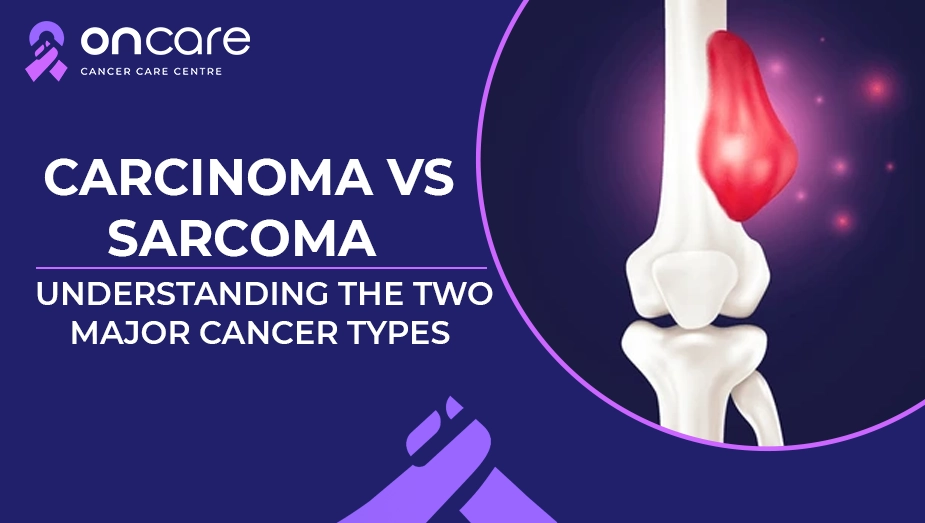
Cancer is a complex type of disease that can affect any part of the body. "Cancer" is a medical term often used broadly; it actually includes different types of cancer with unique origins, different types of symptoms, and treatment approaches. One of the important ways to classify cancer is by its type of tissue and where it begins. Oncologists based on its classification, cancers are commonly divided into two major categories, including Carcinoma and Sarcoma.
In this article, we’ll delve deeper into how these types of cancer spread into the bodies, their progression, and different treatment strategies.
What is Cancer?
Cancer develops when normal cells start to undergo some genetic changes (mutations) that cause them to grow uncontrollably. These abnormal cells may divide and form a mass known as a tumor; these can invade some nearby tissues and start to spread to distant organs through a process called metastasis.
Tumors can be classified into:
- Benign
- Malignant
Both carcinoma and sarcoma are types of malignant tumors, but they originate from different types of tissues of the body.
What is carcinoma?
Carcinoma is the most common type of cancer, accounting for a large majority of cancer cases across the world. Carcinomas often develop from epithelial cells, which are the cells that are supposed to cover the surface of the body, such as skin; these tissues also line the internal glands and cavities.
These tissues often form glands that help to produce hormones or secretions. These epithelial tissues are often found throughout the body, while carcinomas can develop in many other different organs.
Types of carcinoma?
Here are some of the major types of carcinoma may include:
- Breast carcinoma
- Lung carcinoma
- Colorectal carcinoma
- Prostate carcinoma
- Pancreatic carcinoma
- Skin carcinoma
Characteristics of carcinoma?
Carcinoma is a type of cancer that represents approximately 80-90% of all cancer types. These types of cancers are most commonly found in older adults and elderly people. These types of cancers are often associated with some environmental factors such as smoking, radiation, infections, and lifestyle habits.
Carcinomas typically spread through the lymphatic system; they can also be spread through the bloodstream. These types of carcinomas often begin as localized tumors and are detected early through cancer screening tests, such as mammograms and colonoscopies.
What is sarcoma?
Sarcoma is a rare form of cancer; these types of cancer often develop from connective tissues, often providing structure and support to the body. These tissues often include bone, muscle, fat, cartilage, tendons, and blood vessels.
These connective tissues are found throughout the body; sarcomas can appear anywhere in the body, including limbs, abdomen, and chest.
Common types of sarcoma?
Here are some common types of sarcomas, including:
- Osteosarcoma (bone)
- Chondrosarcoma (cartilage)
- Liposarcoma (fat tissue)
- Leiomyosarcoma (smooth muscle)
- Rhabdomyosarcoma (skeletal muscle)
Characteristics of sarcoma?
Sarcomas account for 1% of adult cancers, which are more frequently seen in children, adolescents, and younger adults. These cancers often grow silently and may become large before symptoms appear. These types of cancers often spread through the bloodstream, especially to the lungs.
Sarcomas are often known as rare and due to rarity it can be more challenging to diagnose and might require specialised treatment options.
Key differences between Carcinoma and Sarcoma
Here are some of the key differences between Carcinoma and sarcoma, including:
Characteristics | Carcinoma | Sarcoma |
|---|---|---|
Tissue of Origin | Epithelial tissue | Connective tissue |
Frequency | Very common | Rare |
Age group | Adults and elderly people | Children and Young adults |
Mode of spread | Lymphatic system & blood | Mainly bloodstream |
Examples | Breast, lung, colon | Bone, muscle, fat cancers |
Diagnosis of carcinoma and sarcoma
Many healthcare providers use diagnostic tools to diagnose both carcinoma and sarcoma, involving a combination of medical evaluation and testing.
Common diagnostic methods include:
- Imaging tests
- Biopsy
- Laboratory tests
Pathologists play a crucial role in diagnosing whether a tumor is carcinoma or sarcoma by identifying the tissue structure and different types of cell characteristics.
Treatment approaches
The treatment basically depends on several factors, including the types of cancer, its stage, location, and the patient’s overall health conditions.
Here are some of the common treatment options, including:
- Surgery to remove the tumor
- Radiation therapy to destroy cancer cells
- Chemotherapy to destroy rapidly growing cancer cells
- Targeted therapy used to attack specific cancer related molecules
- Immunotherapy to help the immune system fight against cancer cells
Carcinomas often respond well to treatments like chemotherapy and targeted therapies, while sarcomas require treatment options such as aggressive surgical removal, often combined with radiation therapy or chemotherapy.
Consult Today
Carcinoma and sarcoma are two types of cancers that differ in their origin, spread, and growth in people. Carcinomas often develop from epithelial cells and are the most common types of cancers, especially found in adults. Sarcomas often develop in the connective tissues and are comparatively rare but usually found to be aggressive in nature.
At Oncare, we offer premium-quality cancer treatments, including advanced cancer surgeries, at an affordable price range with an experienced cancer specialist consultation.
If you or any loved ones of yours are diagnosed with cancer, then visit Oncare Cancer Center and book an appointment with our experienced cancer specialist today! Get an estimated cost of your cancer treatments today!
Frequently Asked Questions
Carcinomas are types of cancers that develop in the epithelial cells. These cells surround the internal organs, glands, and organ surfaces, causing them to grow uncontrollably and develop into tumors, making them the most common types of cancers. They affect the breasts, lungs, colon, and prostate.
Sarcoma refers to the broad group of cancers that start in the bones and soft tissues. However, soft tissues connect muscle, fat, blood vessels, tendons, and the lining of the joints. This type of cancer starts in the soft tissue sarcoma.
Here are some of the risk factors including previous radiation exposure, damaged lymph system, or lymphedema, family history of cancer, retinoblastomas, neurofibromatosis.
Book an Appointment
Related Blogs

Lessons Every Woman Can Learn from Tahira Kashyap’s Cancer Battle
Discover more about Tahira Kashyap’s breast cancer and how early detection makes a life changing decision in treatment and importance of mental health and its part in healing!
Intrahepatic Cholangiocarcinoma Risk Factors: Who Is at Higher Risk?
Learn about intrahepatic cholangiocarcinoma, its major risk factors, symptoms, and prevention tips. Understand how to protect your liver and reduce cancer risk.
What Is Carcinoma? Understanding This Common Type of Cancer
Discover more about carcinoma and how it develops in people, the types of carcinoma, and its diagnosis and treatment, and who’s at risk of developing this cancer.
Adrenocortical Carcinoma Treatment Options: Surgery, Medications, and More
Explore treatment options for adrenocortical carcinoma, including surgery, medications, and radiation. Learn how personalized care can enhance outcomes.