Table of Contents
Can Vaping Cause Thyroid Cancer? What Research Suggests

By Prashant Baghel


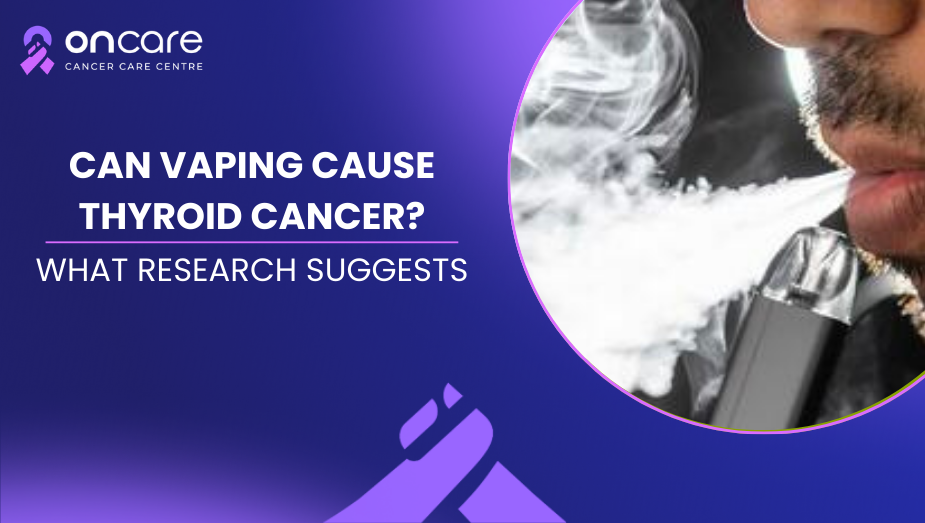
Many people, especially young people and people trying to quit smoking, think that vaping is safer than smoking. Many people think it is really safe because it doesn't make smoke in the same way. But as more and more people start vaping, new health concerns are coming up. A very significant question that people are asking now is Is it possible for vaping to give you thyroid cancer?
This subject is important because the thyroid controls many physiological systems, and cancer of this gland can have a big impact on health. This article will discuss whether vaping might cause thyroid cancer, what science knows about it right now, how vaping affects the body, and what you should keep in mind. The language used to explain everything is really simple and easy to understand.
What You Need to Know About Thyroid Cancer
The thyroid is a tiny gland in the shape of a butterfly that is near the front of the neck. It helps keep your heart rate, body temperature, metabolism, and energy levels in check. Cells in the thyroid gland start to develop out of control, which is how thyroid cancer occurs.
Most thyroid cancers develop slowly and can be treated, especially if they are identified early. After therapy, a lot of people enjoy long and healthy lives. Researchers are still looking into the risk factors for thyroid cancer, just like they are for all cancers.
What Is Vaping and How Does It Affect the Body
Vaping is when you breathe in an aerosol that is made by heating up a liquid, which is often termed e-liquid or vape juice. Nicotine, flavoring compounds, and other things are usually in this liquid.
Even though vaping doesn't burn tobacco, it still puts toxins into the body. These pollutants can get into the lungs, the blood, and other organs, such as the thyroid, which makes hormones.
Researchers are still looking at the long-term repercussions of vaping because it is a newer habit than smoking.
Can Vaping Lead to Thyroid Cancer
There is currently no concrete evidence that vaping alone induces thyroid cancer. But this doesn't mean that vaping is safe. Scientists are still worried about the chemicals in vape goods, and research is still going on.
Some of these chemicals are known to throw off hormone levels and harm cells over time. One of the main ways that cancer develops is by damaging cells and DNA.
There is no definitive correlation yet, but vaping may make health problems worse in ways that aren't fully known yet.
Chemicals in Vapes and Possible Effects on the Thyroid
A lot of worries about vaping and thyroid cancer arise from what is in vape products.
Nicotine and Hormone Changes
Most vape juices have nicotine in them. It can change the levels of hormones in the body and how glands act.
Hormonal changes can affect the thyroid. Long-term exposure to nicotine may disrupt normal thyroid function.
Chemicals That Are Bad for You in Vape Aerosol
Vape aerosol can include dangerous things in it, such as formaldehyde, heavy metals, and tiny particles. You shouldn't breathe in these things.
Over time, being around harmful substances can hurt cells and raise the likelihood of abnormal growth.
Damage to Cells and Inflammation
Vaping might make the body inflamed. Chronic inflammation is an established risk factor for cancer.
Tissues that are inflamed are more likely to suffer cellular damage, which could raise the risk of cancer over time.
What Studies Have Found So Far
There aren't many long-term studies on vaping because it's a new thing. Most recent studies are about the health of the heart and lungs.
Some research indicates that vaping may influence endocrine glands, including the thyroid. There is still no concrete evidence that vaping causes thyroid cancer, though.
Doctors and academics believe that we need to do more long-term studies before we can make any definitive decisions.
Other Recognized Risk Factors for Thyroid Cancer
Knowing what is already known about the causes of thyroid cancer will help us better grasp the risks of vaping.
One of the biggest risk factors is being exposed to radiation, especially when you were a child. A family history of certain genetic diseases also raises the risk.
Hormonal abnormalities and environmental factors can also be involved. Vaping could make these dangers worse instead of just acting on its own.
Why It's Still Important to Be Careful
Being careful is crucial, even if there isn't clear evidence. After long-term use, several things that were once assumed to be safe were revealed to be dangerous.
Not all places have rigorous rules for vaping goods, and the chemicals can be highly different. This makes it tougher to tell what consumers are breathing in.
For long-term health, it's always better to stay away from substances that aren't necessary.
Signs and Symptoms of Thyroid Issues
Early on, thyroid cancer doesn't always cause symptoms. Some people feel a lump in their neck, realize that their voice has changed, or have trouble swallowing.
Unexplained weight changes, tiredness, or feeling too hot or too cold are some indicators.
If you have thyroid-related symptoms that won't go away, you should contact a doctor, even if you used to smoke.
Why It's Important to Find and Keep an Eye on Things Early
Finding thyroid cancer early leads to very good results. It's crucial to get regular checkups and pay attention to changes in your neck.
People who are at risk shouldn't dismiss little signs. Tests and scans done early can help find abnormalities before they get worse.
Making healthy choices also helps your hormones stay balanced and your health in general.
Making Smart Health Choices
A lot of people start vaping without thinking about how it will affect them in the long run. To make smart choices, you need to look at the evidence and the hazards that might happen.
There is no health benefit to starting to vape if you don't already. If someone already vapes, cutting back or quitting may lessen dangers that aren't known.
People can make health decisions that are right for them by talking to healthcare experts.
Concerns About the Emotional Side of Cancer
Stress and anxiety might come from worrying about cancer. This is especially true when the information is not clear or is changing.
Talking to doctors clearly and getting information from trustworthy sources can help ease fear. The greatest thing to do is to stay informed without panicking.
Taking care of your mental health is equally important as taking care of your physical health.
Consult Today
There is currently no definitive scientific evidence establishing a direct link between vaping and thyroid cancer. But vaping puts nicotine and other chemicals into the body, which could mess with hormone balance and cell health. It's best to be careful because the long-term implications are still being explored. If you're worried about your thyroid health, it's better to stay away from or limit vaping.
Oncare Cancer Hospital has skilled professionals, sophisticated equipment, and individualized care that focuses on early detection and improved results for thyroid cancer. They offer expert advice, accurate diagnosis, and advanced treatment.
Frequently Asked Questions
There is no clear correlation yet, but the study is still going on.
Vaping might lower some dangers compared to smoking, but it is not without risks.
Yes, nicotine can change the balance of hormones and how the thyroid works.
Yes, those with thyroid problems should not vape.
Book an Appointment
Related Blogs
Can You Die From Thyroid Cancer? A Doctor’s Perspective
Can thyroid cancer be fatal? Learn the real risks, survival chances, types of thyroid cancer, and why early diagnosis and treatment greatly improve outcomes.
Molecular Testing for Thyroid Cancer: What to Know?
Molecular testing for thyroid cancer helps clarify unclear biopsy results by analyzing genetic changes. Learn when it’s needed, how it works, and how it guides treatment.
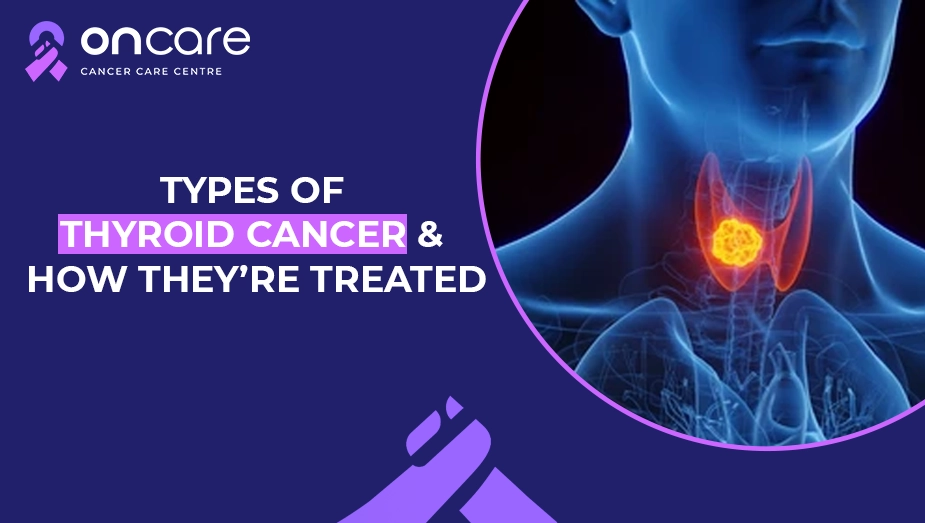
Types of Thyroid Cancer and How They’re Treated
Discover more about types of thyroid cancer and their treatment options, how treatment options differ, and why early diagnosis and personalized treatments matter!
Is Thyroid Cancer Curable with Surgery Alone?
Wondering if thyroid cancer is curable? Discover how surgery and other treatments can help most people recover fully and live healthy, active lives.