Table of Contents
Can Too Much Salt Cause Stomach Cancer?

By Raveena M Prakash


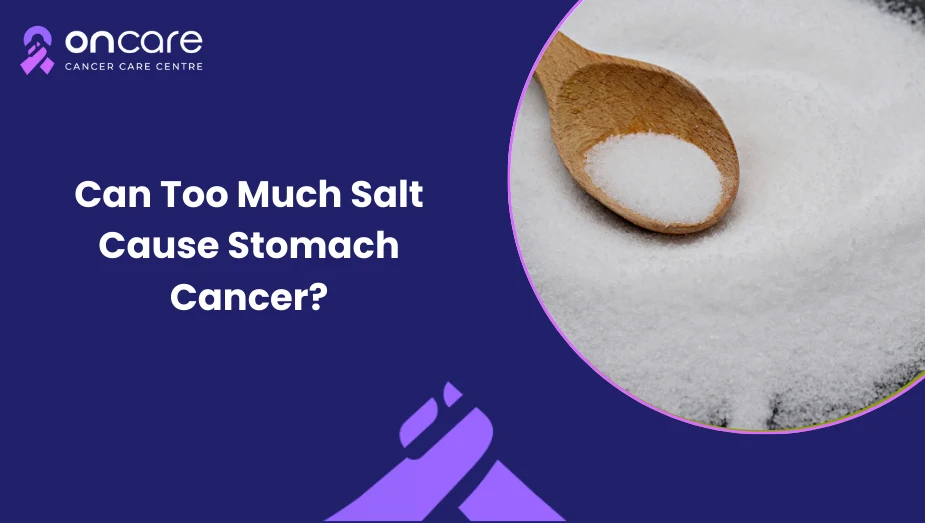
Salt has been an integral part of the human diet for thousands of years. From preserving food before the refrigerator to adding flavors to your daily cooking, it’s hard to imagine meals without it. But as diets have shifted toward processed and packaged foods, salt consumption has quietly increased.
Currently many people eat more salt than their body requires, without even realizing it. It raises an important health concern, which is that ‘too much salt can cause stomach cancer’?
What is stomach cancer?
Stomach cancer, also commonly known as gastric cancer, generally develops in the lining of the stomach. These types of cancers usually progress slowly, often taking years to develop. Early symptoms can be vague and easily misunderstood, including symptoms like indigestion, bloating, mild nausea, or loss of appetite. As a result, many of these cancer cases are diagnosed in their advanced stages.
There are several factors increase the risk of stomach cancer, including:
- An infection with Helicobacter pylori (H. pylori)
- Smoking and heavy alcohol use
- Family history of stomach cancer
- Increasing age
- Diets high in salty, smoky and pickled foods
Among all of these risk factors, diet can be the easiest modifiable risk factor.
How salt affects the stomach
Salt plays an important role in nerve function and fluid balance, but excessive amounts of salt can be harmful to health, especially stomach health.
High salt intake can affect the stomach in multiple ways, including:
Intense damage to the stomach lining
The stomach is essentially protected by the layer of mucus that shields it from any strong digestive acids. Excessive salt consumption can weaken this protective barrier, making the stomach lining more vulnerable to injury and inflammation.
A chronic irritation can often lead to health conditions such as gastritis and gastric atrophy; both of them are considered precancerous changes in people.
Many experts suggest that over time, repeated damage can cause and repair the stomach cells, increasing the chance of abnormal cell growth, which might eventually lead to stomach cancer.
Interaction with H.pylori infection
One of the strong risk factors for developing this cancer is an infection with the H. pylori bacteria, which lives in the stomach lining. A high salt intake can appear to worsen the harmful effects of this infection.
Many studies suggest that salt might help:
- Help H.pylori bacteria survive in the stomach
- Increase inflammation caused by the bacteria
- Enhance the bacteria’s ability to damage the stomach cells
People with both H. pylori infection and high salt consumption might face a significantly higher risk of stomach cancer than those with either factor alone.
Increased exposure to carcinogens
Most of the salty foods, especially preserved foods might contain cancer-causing substances commonly known as nitrosamines. These compounds are commonly found in:
- Salted fish
- Smoked meats
- Pickled vegetables
- Processed foods
- Cured and dried foods
Nitrosamines can damage DNA and promote cancer development when consumed regularly over long periods.
Evidence linking salt to Stomach cancer
The link between salt and stomach cancer is supported by extensive epidemiological research. Populations with high salt diets have historically shown higher rates of stomach cancer.
For example:
- Regions where salted, pickled, or fermented foods are staples have higher stomach cancer rates.
- Many studies have shown that people who eat large amounts of salty foods are more likely to develop stomach cancer than those with lower intake of salt in their daily foods.
How much salt is considered too much salt?
The WHO recommends that you consume less than 5 gms of salt per day, which is about one teaspoon a day. Many people consume approximately double the amount of salt or more, without adding salt at the table. The main source of salt comes not from home cooking, it comes from processed and packaged foods.
These may include:
- Fast food products
- Ready to eat meals
- Chips and snack foods
- Bread and baked foods
- Sauces and dressings
Some foods won’t even taste salty can also significantly affect your daily intake of salt consumption.
Modern Diets and Hidden Risks of Salt Consumption
People who follow modern diets might make it easy to consume excessive amounts of salt unknowingly. Current busy lifestyles often rely on high sodium for flavor and preservation. Over time, our taste buds start to adapt, making salty foods seem normal and less salty than they truly are.
This condition happens when people follow this:
- High salt intake becomes habitual.
- Damage to the stomach lining, which accumulates slowly
- Some risk factors build silently over years.
The type of danger lies not in occasional saltiness in meals, but in those who follow long-term salt overconsumption.
How to reduce your risk of stomach cancer
Reducing the intake of salt in your foods is one of the simplest dietary changes you can make to protect the lining of your stomach, prevent the risk of stomach cancer, and improve your overall health.
How reducing the overconsumption of salt affects health
Here’s how you can reduce the overconsumption of salt in your diet, including:
- Choose eating fruits and vegetables and whole foods, whenever possible.
- Limit the intake of processed, smoked and pickled foods.
- Always read the nutrition labels and compare sodium levels.
- Cook more meals at home to monitor the salt consumption.
- Use herbs, spices, vinegar, lemon or garlic instead of extra salt in your foods.
- Rinse the canned foods such as beans and vegetables before use.
Consult Today
Stomach cancer is one of the preventable cancers, and diet plays a major role in the prevention of this cancer growth in patients. Being mindful of the use of excessive salt consumption and choosing healthier alternatives, you can take a meaningful step towards protecting the stomach and improving the overall well-being of people.
At Oncare, we offer premium-quality cancer treatments, including advanced cancer surgeries, at an affordable price range with an experienced cancer specialist consultation.
If you or any loved ones are diagnosed with cancer, then visit Oncare Cancer Hospital and book an appointment with our experienced cancer specialist today. Get an estimated cost of your cancer treatments today!
Frequently Asked Questions
Yes, excessive consumption of salt can damage the lining of the stomach and increase the risk of cancer, especially H.pylori infection.
Many experts suggest that less than 5gms of salts, which is 1 teaspoons per day, is recommended by the WHO.
Limit the consumption of salted, smoked, pickled and processed foods. Try to eat more fresh fruits and vegetables.
Book an Appointment
Related Blogs
Difference Between Stomach Ulcer and Cancer
Learn the clear difference between stomach ulcer and stomach cancer, including causes, symptoms, pain patterns, and why early testing is important for proper treatment.
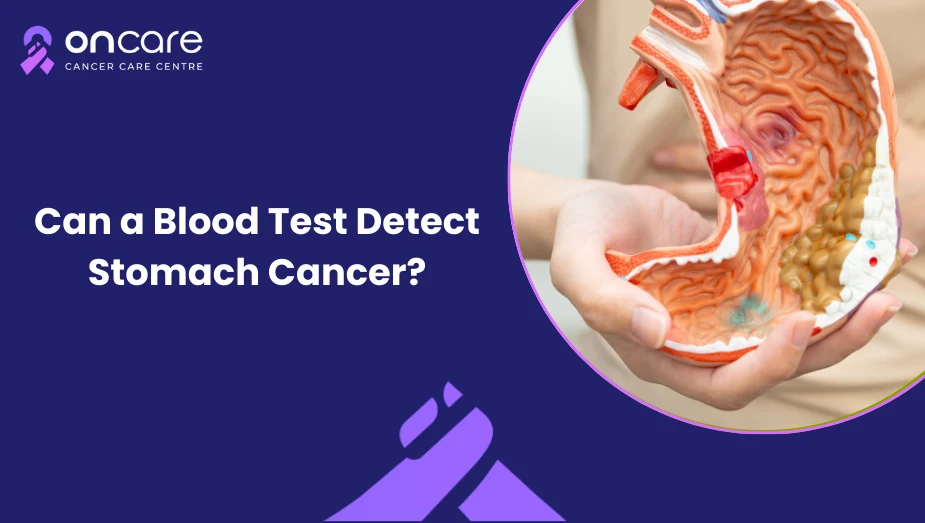
Can a Blood Test Detect Stomach Cancer?
A blood test alone cannot detect stomach cancer. Learn what blood tests can show, their limits, and which tests, like endoscopy and biopsy, confirm stomach cancer early.
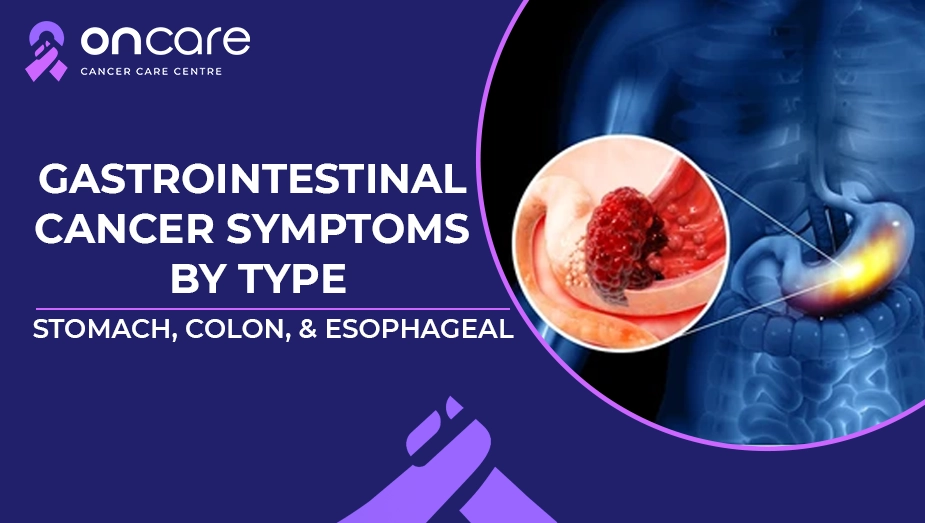
Gastrointestinal Cancer Symptoms by Type: Stomach, Colon, and Esophageal
Discover more about Gastrointestinal Cancer and its symptoms by type including stomach, colon, and esophageal cancer and its risk factors and when to consult a doctor!
Stage 4 Stomach Cancer Treatment: Options & Outcomes
Learn about stage 4 stomach cancer treatment, including chemotherapy, targeted therapy, immunotherapy, radiation, surgery for symptoms, and supportive care to improve comfort.