Table of Contents
Can Cancer Be Cured? Understanding Remission and Treatment Success

By Prashant Baghel


Cancer is one of the most complex and challenging health concerns across the world. Cancer diagnosis can bring fear, confusion and a lot of questions which can take an emotional toll on any normal person. Among the most common questions is ‘can cancer be cured? The answer is not a complete no or yes. Many cancers can be treated successfully and some can be cured. While some cancers can not be completely cured or can not be cured for longer periods of time.
In this article, we’ll discover more about cancer cure, remission, treatment success and how these concepts apply differently to each person’s treatment journey.
What does cure mean in cancer treatments?
In simpler terms, "cure" means the disease has gone completely. But in cancer care, the term "cure" is used more cautiously. Cancer is considered when all its detectable cancer cells are eliminated after the treatment is completed after a long period, usually over five years or more, depending on the type of cancer.
Some cancer types have high cure rates, especially when detected in their early stages. For example, certain childhood cancers, testicular cancer, thyroid cancer, Hodgkin lymphoma, and many early-stage skin cancers. But with timely and effective cancer treatments, people with these types of cancers get to live normal, healthy lives.
Unfortunately, cancer cells can go hidden and reappear after a few years. Doctors avoid using the word ‘cure’ too early and instead rely on the concept known as remission.
Understanding remission
Remission usually refers to the reduction or disappearance of the signs and symptoms of cancer. Achieving remission is a great milestone in cancer treatment and generally indicates that treatment is working well.
There are two main types of remission, including:
- Complete remission: In complete remission, there are no signs of cancer that can be detected through performing several tests, blood tests, and physical examinations. This is generally considered an excellent outcome in cancer treatments. However, this doesn’t consider that cancer is permanently gone, while continued cancer monitoring is crucial for the success of positive treatment outcomes.
- Partial remission: A partial remission usually means that cancer has significantly started to shrink and stopped growing, but some cancer cells remain in the body, but performing an additional treatment or long-term cancer treatment might help to keep the disease under control.
What factors affect cancer treatment success?
Cancer treatment success varies widely and depends on several important factors, including:
Type of cancer
There are different types of cancers, and they tend to behave differently. Some cancers grow silently, while others respond to treatment well, while other cancers respond too aggressively. Blood cancers like leukemia and lymphoma often respond well to chemotherapy and immunotherapy, while solid tumors might require surgery, radiation therapy, or a combination of other cancer treatments.
Stage at diagnosis
The stage of cancer diagnosis plays a crucial role in its treatment outcomes. Early-stage cancers are usually confined to one area, are generally easier to treat, and are more likely to be cured. An advanced stage of cancer tends to spread to other parts of the body. These types of cancers are difficult to eliminate completely.
Treatment options
Cancer treatments have evolved significantly over the years. Some of these treatment options may include:
- Surgery
- Chemotherapy
- Radiation therapy
- Immunotherapy
- Targeted therapy
- Hormone therapy
Advanced cancer treatments like immunotherapy and personalized medicine have transformed the lives of many patients by targeting cancer cells more precisely while sparing these tissues.
Overall health of the patient
Patients' age, immune system, lifestyle and presence of other health conditions can influence how well their body responds to cancer treatments, resulting in cancer recovery.
Can cancer come back after treatment?
Yes, in most cases, cancer can return, and the situation is often known as recurrence. Recurrence may occur in patients in these conditions.
- At the original site (local recurrence)
- Near the original site (regional recurrence)
- In distant organs (distant recurrence or metastasis)
In most cases, the risk of recurrence mainly depends on the cancer type, stage, and response to the cancer treatment. Patients who get regular follow-up appointments, imaging tests, and blood work are crucial to detect any changes early.
Cancer as a chronic condition
In some cases, cancer cannot be fully cured, but it can be managed as a chronic disease. In such cases, an ongoing cancer treatment keeps the cancer stable and prevents further progression of cancer in the body.
People living with chronic cancer might continue working, studying, travelling, and enjoying daily life while living with intermittent or long-term cancer therapy. Recent advances in cancer therapy have also helped to improve the quality of life by better managing side effects and symptoms of cancer treatments.
Survival rates vs. Individual treatment outcomes
The survival rates of cancer treatments are often used to measure treatment success, but they don’t tell the full story of cancer patients' life expectancy. The survival rates are based on large groups of people, and they cannot predict a single patient’s story of survival.
Each person’s treatment journey is unique; factors like the patient’s response to treatments, access to cancer care, and personal resilience play a key role in the successful treatment outcomes.
Importance of hope and advanced cancer research
The outlook for cancer patients today is more hopeful and treatable than when compared to 10 years ago. Continuous cancer research has led to better cancer screenings and advanced cancer diagnostic tools. Cancer treatments are more effective and less toxic and have improved survival rates.
Many types of cancers that were once considered life-threatening and fatal are now treatable and easily manageable. New clinical trials are continuing to offer many cancer therapies and additional diagnostic tools for patients who may not respond to standard cancer treatments.
Consult Today
For a question like "Can cancer be cured?" The answer is sometimes yes, often treatable, and increasingly manageable. Not every cancer can be completely cured; many can be brought into remission or controlled long-term with the help of continuous effective treatment.
Early diagnosis, personalized treatment plans, and ongoing advanced cancer treatments continue and improve treatment outcomes and offer hope to millions of cancer patients across the world.
At Oncare, we offer premium-quality cancer treatments, including advanced cancer surgeries, at an affordable price range with an experienced cancer specialist consultation.
If you or any loved ones of yours are diagnosed with cancer, then visit Oncare Cancer Center and book an appointment with our experienced cancer specialist today! Get an estimated cost of your cancer treatments today!
Frequently Asked Questions
Cancer completion is not just a medical term, but it usually refers to achieving remission. This is a condition where symptoms lessen or disappear, which can last for months, years, or a lifetime.
Cancer recurs after remission because some cancer cells survive after initial cancer treatment, often remaining undetectable before growing again due to genetic mutations, or the immune system fails to eliminate them, leading to new tumors.
Yes, when recurrent cancer can go back into remission, patients experience cycles of remission and relapse, as some treatments aim to shrink and/or eliminate cancer cells again.
Book an Appointment
Related Blogs
क्या कैंसर बिना कीमोथेरपी के ठीक हो सकता है? आसान जानकारी
कैंसर का डर है, लेकिन क्या कीमोथेरपी के बिना भी इलाज संभव है? पढ़ें आसान और असरदार तरीके जैसे सर्जरी और इम्यूनोथेरपी, जो मदद कर सकते हैं शरीर को सुरक्षित रखने में।

कुछ मरीज कीमोथेरपी से क्यों बचते हैं? फायदे और नुकसान
जानें कुछ मरीज कीमोथेरपी से क्यों बचते हैं। कीमोथेरपी से बचने के कारण, इसके फायदे और नुकसान को आसान भाषा में समझें ताकि इलाज को लेकर सही फैसला लिया जा सके।
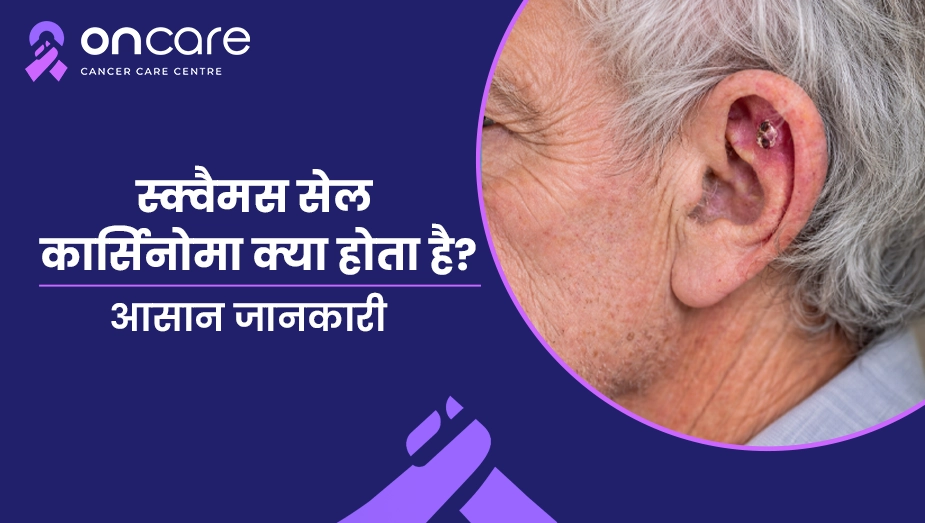
स्क्वैमस सेल कार्सिनोमा क्या होता है? आसान जानकारी
जानें स्क्वैमस सेल कार्सिनोमा क्या होता है, इसके कारण, लक्षण और इलाज के आसान तरीके। सही समय पर पहचान और उपचार से इसे काबू में किया जा सकता है।
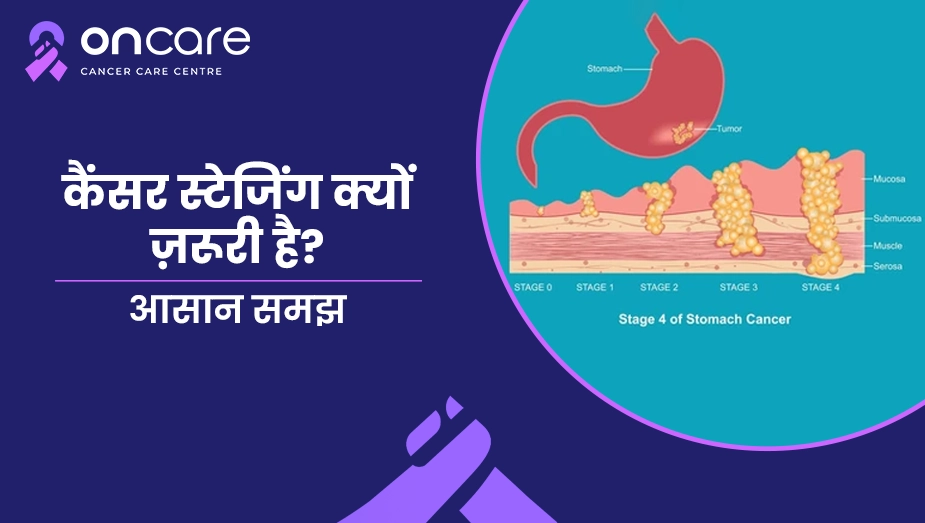
कैंसर स्टेजिंग क्यों ज़रूरी है? आसान समझ
कैंसर स्टेजिंग क्यों ज़रूरी है, इसका मतलब क्या होता है और इससे इलाज कैसे तय होता है आसान शब्दों में समझें। सही स्टेजिंग से सही इलाज और बेहतर परिणाम संभव हैं।