Table of Contents
Breast Cancer Lumpectomy vs Mastectomy: What’s the Difference?

By Raveena M Prakash



A breast cancer diagnosis can often feel overwhelming for any woman and raise emotional challenges and the need to make spine-chilling life decisions regarding continuing their treatments. One of the significant choices many cancer patients face is deciding between choosing lumpectomy or mastectomy. Both of these surgical procedures are highly effective treatments for treating and managing breast cancer, but they differ in their long-term impact on patients.
In this article, we’ll discover more about how these surgical options can help patients feel more confident and empowered and work together with an expert cancer care team to choose the right treatment path.
Understanding Breast Cancer Surgery
Surgery is one of the primary treatment options for breast cancer treatment. The primary goal is to remove cancerous cells from the body while reducing the risk of recurrence. Depending on the stage, size, and type of cancer, along with the patient's treatment preference and considering genetic factors, doctors might recommend either breast-conserving surgery (lumpectomy) and/or removal of the entire breast (mastectomy).
It's important to note that neither option is better in all cases; the right choice depends on individual circumstances.
What’s a Lumpectomy
Lumpectomy is also commonly known as breast-conserving surgery or partial mastectomy, which involves removing the cancerous tumor along with a small margin of healthy surrounding tissue, while the rest of the breast remains the same or intact.
Who needs to get lumpectomy procedures
Lumpectomy is an effective cancer treatment commonly recommended for patients who:
- Patients diagnosed with early- stage breast cancer
- Patients with small tumor relative to the breast size
- Cancer confined to one area
- Cancer patients those able to undergo radiation therapy
Advantages of Lumpectomy
Here are some of the advantages of performing a lumpectomy in breast cancer patients, including:
- It helps to preserve the majority of the natural breast.
- Less extensive surgery when compared to mastectomy
- Short period of hospital stay and shorter recovery time
- better cosmetic outcomes, especially for early-stage cancer cases
Challenges
Here are some of the challenges associated with performing lumpectomy in breast cancer patients, including:
- Radiation therapy is usually required after lumpectomy to destroy any remaining cancer cells.
- There are some changes in the breast shape or firmness.
- Slightly higher chance of cancer recurring in the same breast compared to mastectomy
- These are not suitable for multiple tumors or aggressive tumors.
Lumpectomy, often followed by radiation therapy, has been as effective as mastectomy in terms of long-term survival for many breast cancer patients with early-stage breast cancer.
What is Mastectomy?
Mastectomy is a surgical procedure involving the removal of the entire breast tissue. Depending on the characteristics of the cancer, surrounding tissues such as lymph nodes, skin, or nipples might also be removed.
Who may need Mastectomy
Mastectomy is an effective breast cancer surgery often recommended in patients, who:
- The tumor is large in size or affects multiple areas
- Cancer has recurred after previous breast cancer treatments
- Patients who may not have radiation therapy as a treatment option
- Patients who have high genetic risk such as (BRCA mutations)
Advantages of Mastectomy
Here are some of the advantages of performing mastectomy in patients, including:
- Lower risk of cancer returning in the same breast
- It might eliminate the need for radiation therapy
- It can provide peace of mind for high-risk patients
- This is a great treatment option for immediate or delayed reconstruction
Challenges
Here are some of the challenges associated to performing a mastectomy, including:
- More extensive surgery and longer period of recovery
- A permanent loss of the breast
- Emotional and psychological adjustment
- Possible need for reconstructive surgery in patients
Lumpectomy vs. Mastectomy
Here’s what you need to know about the differences between lumpectomy and mastectomy, as this will help you make more informed decisions about the breast cancer treatments, including:
Characteristics | Lumpectomy | Mastectomy |
|---|---|---|
Amount of tissue removed | Tumor and margin | Entire breasts |
Radiation therapy | Usually required | Often not required |
Surgery duration | Shorter | Longer |
Recovery time | Faster | Longer |
Cosmetic impact | Breast preserved | Reconstruction often needed |
Risk of recurrence | Slightly higher locally | Lower in the same breast |
Survival rates | Comparable (early-stage) | Comparable (early-stage) |
Emotional and Psychological impact
Patients who need to undergo breast cancer surgeries like mastectomy and lumpectomy used to face complex emotional challenges during their treatment phase. Many healthcare professionals suggest that the emotional side of breast cancer surgery is just as important as the physical recovery.
Getting a lumpectomy might help to preserve the body image, but repeated imaging and radiation can cause anxiety in a patient. Patients getting a mastectomy can experience immense grief and sadness and changes in a patient's self-identity, and reconstructive surgery is even suggested in some cases.
If needed, patients can get professional counseling and join support groups and openly communicate with their loved ones. It plays a vital role in emotional healing after completing the breast cancer surgery.
How to make the right decision?
Selecting surgical procedures such as lumpectomy and mastectomy is deeply personal and should be made in close coordination with a multidisciplinary expert team.
Here are some of the important factors considered while choosing the treatment, including:
- Cancer stage, size, and type
- Genetic testing results
- Overall individual health condition
- Lifestyle and work considerations
There is no right and wrong choice, only the one thing that aligns best with your medical needs and personal values.
Consult Today
Both lumpectomy (breast-conserving surgery) and mastectomy (breast removal) are considered effective treatments for breast cancer. Understanding the differences, benefits, and challenges of each option, breast cancer patients can make more informed decisions that support not only survival but also improve the quality of life.
At Oncare, we offer premium-quality cancer treatments, including advanced cancer surgeries, at an affordable price range with an experienced cancer specialist consultation.
If you or any loved ones of yours are diagnosed with cancer, then visit Oncare Cancer Center and book an appointment with our experienced cancer specialist today. Get an estimated cost of your cancer treatments today!
Frequently Asked Questions
Surgical procedures for breast removal may include:
- Lumpectomy: This surgical procedure removes an individual tumor from your breast, with a margin of healthy tissue around it.
- Mastectomy: A mastectomy removes one or all breasts from the patients.
Surgery is the primary cancer treatment for breast cancer in all stages except the last stages, also known as metastatic breast cancer. When this cancer spreads beyond the region of your breast to distant regions, like your liver, lungs, or brain, then the patient needs a more systemic type of breast cancer treatment.
Yes, breast cancer surgery can range from minor (lumpectomy) to major surgery (mastectomy, especially with reconstruction surgery) depending on the patient's health condition.
Book an Appointment
Related Blogs

Breast Cancer Last Stage Symptoms and How to Manage Them
Learn about breast cancer last stage symptoms in simple words. Understand final stage changes, what to expect, and how to support your loved one with the right care.
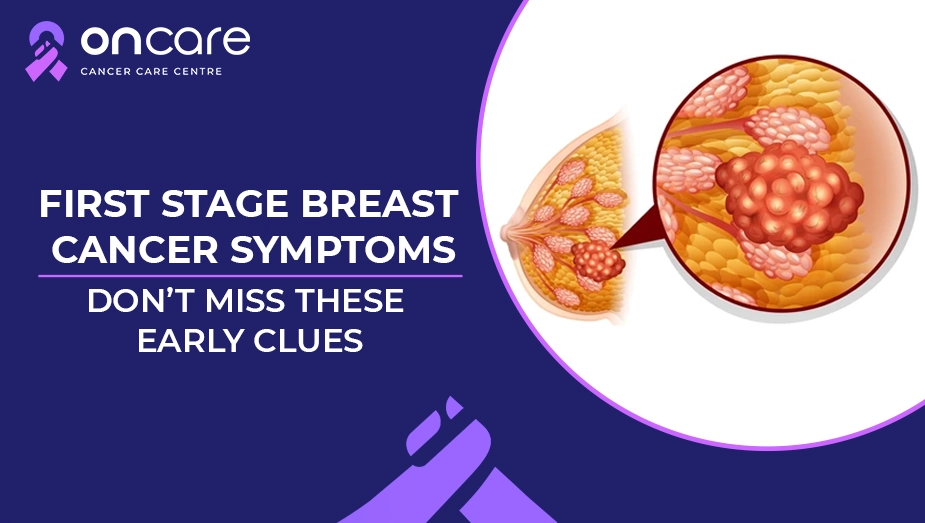
First Stage Breast Cancer Symptoms: Don’t Miss These Early Clues
Discover first stage breast cancer symptoms, spot early changes in your breasts, and get timely care for better treatment and recovery.

12 Signs of Breast Cancer Revealed Every Woman Must Know
Know the 12 signs of breast cancer, including early symptoms, skin changes, nipple issues, and lumps. Learn why early detection improves recovery.
Symptoms of Breast Cancer in Females: Early Signs to Notice
Learn the early symptoms of breast cancer in female, including lumps, skin changes, nipple discharge, and armpit swelling. Early detection improves treatment success.