Table of Contents
Breast Cancer Last Stage Symptoms and How to Manage Them

By Prashant Baghel


Millions of people suffer breast cancer every year, and the last stage can be very distressing for both the patient and their family. At this time, people usually seek clear and reassuring information about what's going on in their bodies. The truth is that recognizing the indicators of breast cancer last stage symptoms can help families get ready, assist their loved one, and feel more in charge of their lives each day.
This article talks about the end stage symptoms in a way that anyone can understand. It explains what changes happen in the body and how to deal with them safely.
Knowing what the terminal stage of breast cancer is
The last stage of breast cancer is stage 4, often called metastatic breast cancer. At this time, the cancer has gone from the breast to other regions of the body, like the lungs, bones, liver, or brain. At this point, the organs can't fulfill their tasks anymore, which alters the body a lot. The terminal stage of breast cancer can cause a lot of different changes in people, both physically and mentally. If families know what to expect at this point, they may make better choices, stay strong emotionally, and give the necessary care.
Feeling weak and very weary
One of the most prevalent indications of late-stage breast cancer is extreme weariness. People can feel weak even when they accomplish simple tasks like sit up, stand up, or converse. This happens because cancer uses up a lot of the body's energy, which slows down several organs. The patient may need to get more sleep or rest. They might not have the energy to do things every day. In the last stage, this exhaustion becomes a normal part of life. It is one of the most obvious signs of breast cancer in its terminal stage.
Not wanting to eat and losing weight
It's fairly normal for people to lose their appetite. Some people may not feel hungry at all, while others may only take a few bites. Your stomach slows down, and you may feel sick a lot. When the body doesn't get enough food, it loses weight quickly. Their clothes could get loose, and they might look slimmer. The body is fighting cancer, therefore it can't sustain its weight the way it used to. This is a natural aspect of the latter stage, yet it can be scary for families.
Pain in the bones and body
Many people are in a lot of pain, especially in their bones, back, or joints. This is because breast cancer often spreads to the bones. The disease makes the bones weaker as it grows, which pains and can potentially break them. Pain might come and go, or it can endure a long time. Most of the time, medicine helps, although everyone feels pain differently. Families should talk to doctors to make sure the patient is getting the correct pain medication. Bone pain is one of the most significant signs of breast cancer in its terminal stage.
Having trouble breathing
The person may have problems breathing if the cancer advances to their lungs. They could feel out of breath even while they are sitting still. Taking deep breaths could be tricky. Sometimes, fluid collects around the lungs, making it even harder to breathe. You may cough, feel tight in your chest, or experience pain. In the last few days, as the body gets weaker, the way you breathe may also change.
Swelling in different areas of the body
Another indicator of the latter stage is edema. Some patients' hands, feet, or legs swell up because their bodies can't get rid of the additional fluid. When breast cancer spreads to the liver, it can also make the stomach expand. This can be painful and make the patient feel full even though they haven't eaten much. When organs stop performing properly, swelling occurs, which is one of the visual signs of late-stage breast cancer.
Changes in the skin and redness
In some circumstances, the skin around the breast may become red, thick, or heated. This happens when cancer affects the skin. Some people also suffer cuts on their breasts that don't heal very well. The skin could ache or be sensitive to touch. These changes might be harsh on the patient because they can see the indicators of the sickness.
Pain in the chest and coughing
Coughing is common when cancer spreads to the lungs. The cough could be dry or hurt sometimes. Tumors or fluid buildup putting pressure on the chest can cause pain in the chest. The patient might feel tired after coughing or might not want to talk too much. As the cancer spreads further in the chest, this symptom gets worse.
Problems with memory and confusion
If breast cancer spreads to the brain, the person may feel confused, forgetful, or have trouble speaking clearly. They might have trouble remembering things or recognizing people. Mood swings, anxiety, or sudden sadness can also happen. In the last stage, the patient may sleep more and become less responsive over time. This happens because cancer makes the brain not work right. Confusion and memory loss are known breast cancer last stage symptoms when cancer reaches the brain.
Throwing up and feeling sick
In the last stage, nausea is common. Cancer itself or the drugs used to treat it can cause it. Even if the patient doesn't eat anything, they may still feel sick. You might also throw up. These symptoms make it harder to eat, which makes you weaker. Taking medicine and small sips of liquids can help with nausea.
Bleeding and bruising easily
When the disease gets worse, the blood may not clot right. This makes it easy to get bruises or cuts. Sometimes the gums or nose may bleed while brushing. The problem gets worse if breast cancer spreads to the liver or bone marrow. With the right treatment, doctors can help manage this.
Changes in feelings
Breast cancer has a big effect on feelings. Patients may feel sad, scared, angry, or like they can't do anything. Some people may become quiet and withdrawn, while others may want more emotional support. It's normal to feel this way because your body is going through a lot of changes. Families should work to make their homes peaceful and helpful.
Tiredness and less talking
The patient may sleep most of the time as their body gets weaker. They might not talk as much or only answer in short sentences. They might not talk at all in the last few days. Even if they don't answer, they can usually still hear the voices around them. Being around someone who is calm and loving makes them feel safe and at ease.
When the body starts to slow down
The body slowly gets ready for the end in the last days or weeks. The person doesn't want to eat much and doesn't drink much water. Slow blood flow can make the skin feel cool and the hands and feet turn pale. Breathing becomes uneven. In the last stage, these changes are normal and to be expected. Families should put their energy into making the patient feel better and managing breast cancer last stage symptoms as they appear.
Consult Today
The last stage of breast cancer causes a lot of changes in both the body and the mind. When families know these signs well, they can take better care of each other and be ready for anything. This stage is very hard, but with the right medical care and a calm environment, the patient can have an easier time. Oncare Cancer Hospital is one of the best places to get trusted cancer treatment and advice for every stage because it has expert care, advanced treatment options, and caring staff.
Frequently Asked Questions
One of the most common signs is extreme tiredness, which happens because the cancer spreads and makes the body weak.
A lot of patients do, but the kind and amount of pain depend on where the cancer has spread. Doctors can help you deal with it.
Not all the time. Most of the time, breathing problems happen when cancer spreads to the lungs.
It depends on the person. Some patients may survive for weeks, while others may endure for months.
Book an Appointment
Related Blogs
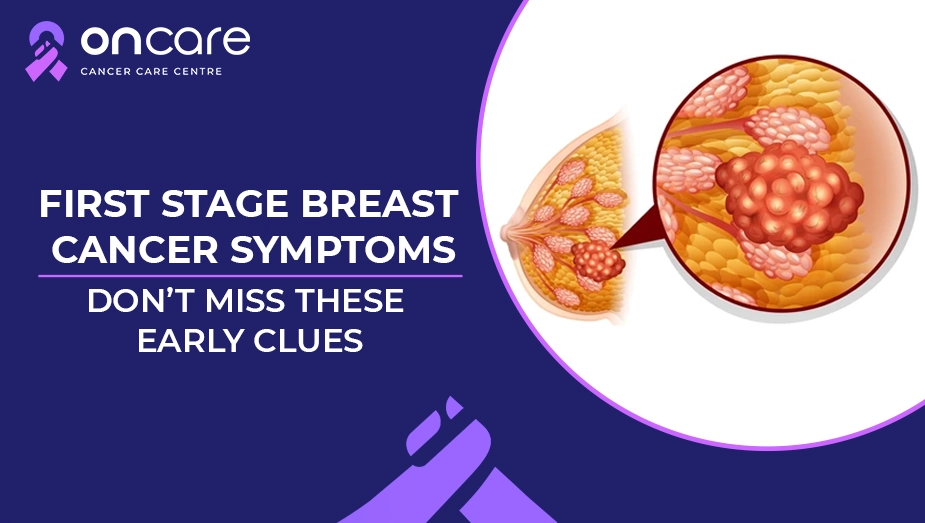
First Stage Breast Cancer Symptoms: Don’t Miss These Early Clues
Discover first stage breast cancer symptoms, spot early changes in your breasts, and get timely care for better treatment and recovery.
12 Signs of Breast Cancer Revealed Every Woman Must Know
Know the 12 signs of breast cancer, including early symptoms, skin changes, nipple issues, and lumps. Learn why early detection improves recovery.
Symptoms of Breast Cancer in Females: Early Signs to Notice
Learn the early symptoms of breast cancer in female, including lumps, skin changes, nipple discharge, and armpit swelling. Early detection improves treatment success.
Breast Cancer in Teens: How Rare Is It?
Discover more about breast cancer in teens and Why do teens notice many breast changes, and why is breast cancer uncommon in teens? When should you consult a doctor?