Table of Contents
Body Image After Mastectomy: Emotional Recovery and Reconstruction Choices

By Dr. Gajendra Kumar Himanshu


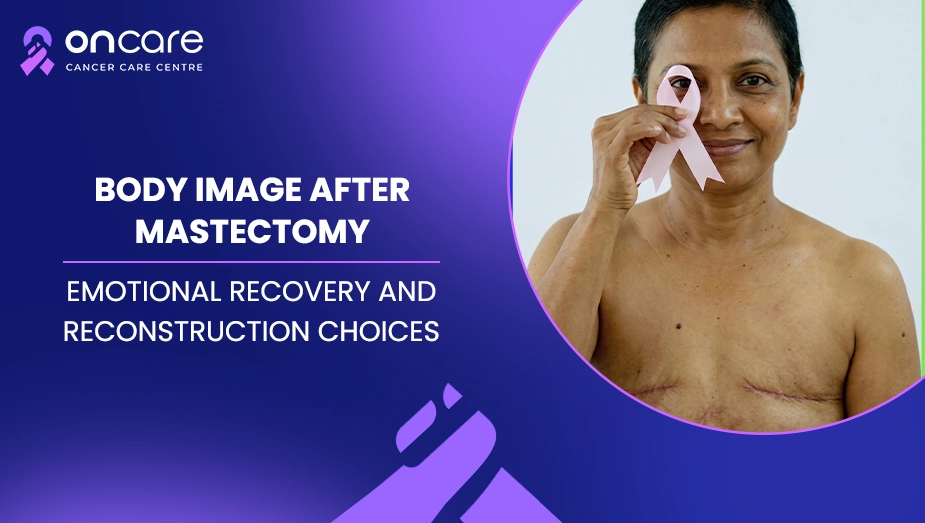
Body image after mastectomy is closely related to physical appearance and emotional well-being, and can be considerably affected. Many women feel unhappy, anxious, or lose confidence after the excision of the breast. But with counseling, family support, support groups, and self-care, emotional recovery is doable. Women who want to regain the shape of their breasts might opt for breast reconstruction surgery, breast prostheses, or to stay flat. It all depends on personal preferences and medical guidance.
Understanding Body Image Post-Mastectomy
Mastectomy is a surgical procedure to remove one or both breasts, usually to treat or minimize the risk of Breast Cancer. While the procedure is typically lifesaving, it can pose emotional issues that persist long after physical healing.
For many women, breasts are strongly linked to femininity, body confidence, sexuality, and self-identity. Losing a breast can be hard to accept, especially when it is medically necessary to have the procedure.
It’s vital to realize that there’s no “right” way to feel following a mastectomy. Some women find it easy; others need more time and mental support.
What Alters Body Image After Mastectomy?
Body image is the way a person thinks and feels about his or her body. Several things can influence these feelings after a mastectomy.
Typical explanations are:
- Loss of one or both breasts.
- Surgical scars visible.
- Body symmetry changes.
- Side effects of chemotherapy or radiation therapy.
- Hair loss.
- Skin changes.
- Less sensitivity of the breast.
- Changes in clothing choices.
- Scared of what other people think.
These changes can alter confidence, social interactions, and intimate relationships, but they do not define a person’s worth or identity.
Emotional Reactions Following Mastectomy
No two women have the same emotional journey. Some feelings are felt immediately after surgery, some over time.
Grief and Loss
Women mourn the loss of a breast like they mourn any other major life change. It’s normal to feel grief, disappointment or emotional anguish during recovery.
Worried About Your Image
Looking in the mirror after surgery can be overwhelming. Some ladies are worried about how they will look in clothes or whether or not people may see bodily changes.
Decreased Self-Confidence
Changes in physical appearance can influence self-esteem, particularly in the first few months after therapy.
Fear of Relationships
Some women fear closeness or that their spouse may perceive them in a different light. These worries are typically alleviated by honest conversation.
Depression or Emotional Upset
Don’t dismiss persistent sorrow, lack of interest in things you used to enjoy, sleep problems or feelings of hopelessness. Professional psychological support can also be useful.
How Long Does It Take To Heal Emotionally?
There is no time frame for emotional restoration.
Some women feel comfortable after a few months, while some may take a year or longer. Recovery often depends on various things, including:
- Ages
- Kind of operation
- General Health
- Family support
- Past mental health history
- Experience of cancer treatment
- Individual Coping Style
Emotional recovery is not usually an immediate process, but a gradual one.
Best Ways To Improve Body Image After Mastectomy
Little by little, a little becomes a lot.
Give Yourself Time to
Healing is physical and emotional. Patience is necessary for the acceptance of body changes, and it’s rarely useful to compare your recovery to someone else’s.
Express Your Feelings
You may feel less alone if you talk about your feelings with trusted relatives, friends or counselors.
Participate in a Cancer Support Group
It can be reassuring, helpful, and hopeful to meet ladies who have struggled in similar ways.
La La Keep on Moving
Light exercise, walking, stretching and physiotherapy after your doctor’s okay might be helpful in improving mood, energy and confidence.
Holistic Wellness Focus
Good nutrition, enough sleep, stress management, and relaxation techniques all help you to heal physically and emotionally.
Rebuilding Your Breast: What Are Your Options?
Not all women elect to get breast reconstruction, and there is no one ideal choice. The proper option is a matter of personal desire, medical suitability, and discussion with the surgical team.
Reconstruction Using Implants
This surgery recreates the form of the breast with silicone or saline implants. It is one of the most regularly performed reconstructive procedures.
It may be good for ladies who have a lot of healthy skin and don’t need certain other supplementary treatments.
Reconstruction using Autologous Tissue
This is a method whereby tissue from another part of the body (such as the abdomen, back or thighs) is used to rebuild the breast.
The reconstructed breast generally feels more natural because it’s made from the patient’s own tissue.
Re-Building a Combination
Depending on their anatomy and treatment strategy, some women are treated utilizing both implants and their own tissue.
Immediate vs Delayed Type of Breast Reconstruction
When Done | Benefits |
|---|---|
Immediate Rebuilding Mastectomy and at the same operative session | Fewer operations and faster restoration of the breast form |
Postponed Reconstruction Months or years post-mastectomy | Allows patients to finish Cancer treatment before rebuilding |
Is Breast Reconstruction for Everyone?
Not every woman needs breast reconstruction for medical purposes.
Some women choose reconstruction, some prefer an external breast prosthesis, and some choose not to replace the breast at all.
It could be a matter of:
- General health
- Cancer staging
- Proposed Radiation Therapy
- Smoking status
- Diabetes or other medical problems
- Private preferences
- Recovery and lifestyle goals
It is also very reasonable to choose not to have reconstruction.
Living without Reconstruction
Many women choose to "go flat" after mastectomy and are comfortable with that option. Some women choose a removable breast prosthesis to wear in a specific bra.
There is no right or wrong. The most essential thing is to choose the solution that feels best for your physical health, mental well-being, and personal comfort.
How Family and Partners Can Help You
It’s simpler to recover with the emotional support of loved ones.
Family members can aid by:
- Listening non-judgmentally
- Respecting the emotional rollercoaster
- Follow-up appointments are a good thing
- Encourage healthy daily habits
- Reconstruction decisions without pressure
Partners should remember that confidence and intimacy frequently grow over time with tolerance, understanding, and open communication.
When to Seek Help from a Mental Health Professional
If you encounter the following, consider consulting a psychologist, psychiatrist, or psycho-oncologist:
- Being depressed for several weeks or more
- Extreme anxiety
- Loss of interest in daily activities
- Trouble accepting changes in the body
- Social isolation
- Relationship problems
- Thoughts of suicide or hopelessness
Early emotional assistance can greatly improve quality of life.
Ways to Gain Confidence After a Mastectomy
- Wear clothes that you are comfortable in.
- Celebrate the minor victories.
- Do a little exercise.
- Surround yourself with supportive individuals.
- Stop comparing yourself to others.
- Professional counseling could be an option if you feel you need it.
- Take time to recuperate.
Confidence generally grows as physical recovery and mental adjustment occur.
If you want to read more about the Body Image After Mastectomy Scale, then you can visit the National Library of Medicine.
Consult Today
There’s much more to recovery from a mastectomy than repairing a surgical wound. Survivorship also includes emotional well-being, bodily confidence, and informed treatment decisions.
At Oncare Cancer Hospital, our interdisciplinary team helps patients through every step of Breast Cancer care, including surgery, emotional counselling, rehabilitation, and conversations about possibilities for breast reconstruction. If you have questions regarding rehabilitation after a mastectomy, ask an expert oncology team about the options that best fit your health and personal preferences.





Frequently Asked Questions
Yes. With emotional support, counseling, rehabilitation, and time, many women gradually regain confidence. Recovery is different for each person.
No. Breast reconstruction is a personal decision. Some women choose reconstruction. Some women pick a breast prosthesis or prefer no more surgery.
Depending on the treatment strategy, reconstruction may be done at the same time as the mastectomy (immediate reconstruction), or months to years later (delayed reconstruction).
Some women have problems with intimacy and self-confidence. Open communication, emotional support, and counselling may help couples adapt during recovery.
Written and Verified by:
Dr. Gajendra Kumar Himanshu Exp: 10 Yr
Medical Officer
Book an Appointment
Related Blogs
How to Choose the Best Mastectomy Surgeon?
Learn more about how to choose the best Mastectomy Surgeon for your breast cancer treatments and how to make more informed decisions regarding your specific needs.
Breast Cancer Lumpectomy vs Mastectomy: What’s the Difference?
Discover more about breast cancer surgeries, understanding lumpectomy and mastectomy and their advantages, challenges, and their emotional and psychological impact.
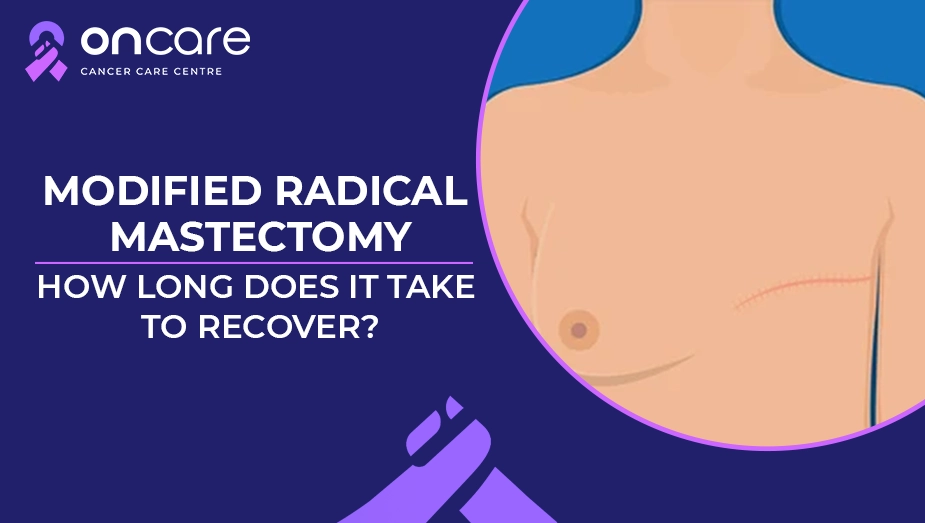
Modified Radical Mastectomy: How Long Does It Take to Recover?
Recovering from a modified radical mastectomy takes time. Learn what to expect during healing, how long recovery lasts, and simple ways to support your body.
Types of Mastectomy: From Radical to Nipple-Sparing Surgery
Learn about the different types of mastectomy, including radical, modified, simple, skin-sparing, and nipple-sparing procedures. Understand your options and recovery.