Table of Contents
Benign vs. Malignant vs. Metastatic Tumors: Key Differences Explained

By Dr. Gajendra Kumar Himanshu


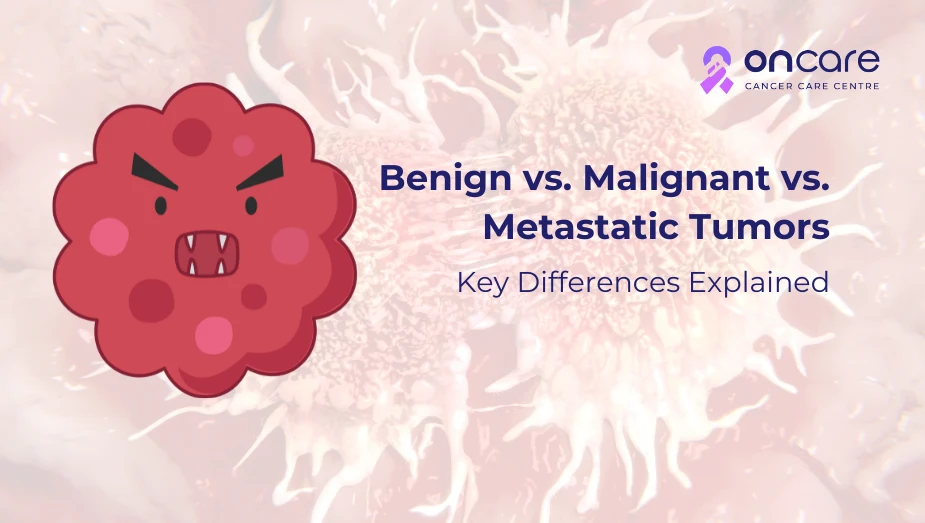
A benign tumour is a development that is not cancerous, and normally grows slowly, stays in one place, and does not spread to other parts of the body. A malignant tumour is cancer and may grow rapidly, invading nearby tissues and spreading to distant organs; a metastatic tumour is cancer that has spread from its initial place to other areas of the body by the blood or lymphatic system.
Understanding the distinction between benign, malignant, and metastatic cancers is vital as each type behaves differently and requires a different therapeutic approach. Benign tumours are frequently less harmful and may only need monitoring or surgical excision. Malignant and metastatic tumours usually need treatments that include surgery, chemotherapy, radiation therapy, immunotherapy, or targeted therapy. The early detection and proper identification of tumor type can greatly improve the treatment result and survival rate.
In this blog, you will learn about the fundamental characteristics of benign, malignant, and metastatic tumours, their symptoms and causes, how they grow, treatment choices, and how doctors identify and manage different types of tumours.
What is a tumor?
A tumor, also referred as neoplasm, is a solid mass of tissue that develops when abnormal cells group together. It can develop anywhere in the body, mainly including the bones, skin, tissue, organs, and glands. There are different types of tumors; one of them is benign, which means it is not cancerous.
In some cases, you may need treatments or no treatment at all. Meanwhile, cancerous and malignant tumors often require cancer treatment.
Benign tumor: Non-cancerous and less dangerous
Benign tumors are non-cancerous growths that develop in the body. These types of tumors are generally localized in nature, which means they do not spread to other parts of the body. These tumors often grow slowly and are also known for their well-defined borders. This makes it very easy to remove the tumors with surgery.
Characteristics of benign tumor
Here are some key characteristics of benign tumors:
- Non-invasive : Benign tumors do not invade nearby tissues or distant organs. These types of tumors often grow within a confined area and do not spread to distant organs.
- Confined : The majority of benign tumors are often surrounded by a capsule, a protective layer that keeps them from affecting surrounding tissue.
- Slow- growing : These tumors typically grow at a slow pace and mostly do not cause any noticeable symptoms until they reach a certain size.
- Rare recur : After the surgical removal of these tumors, the majority of tumors don’t grow back.
- Low risk : In some cases, benign tumors might cause discomfort and complications depending upon the size and location. In most of the cases, these are not life-threatening.
Examples of benign tumors
There are some examples of benign tumors that affect the human body.
These may include:
- Fibroids : These are non-cancerous tumors developed in the uterus that commonly affect women.
- Adenomas : These are tumors developed in glandular tissues like the thyroid or pituitary gland and some other glands as well.
- Lipomas : These are tumors that develop as fatty growths just beneath the skin.
- Meningiomas : These are tumors that grow on the lining of the brain and spinal cord.
Treatment and prognosis
In most cases, the benign tumors are surgically removed if necessary. The majority of these tumors are non-cancerous. These tumors won't spread to other parts of the body. In most cases people diagnosed with benign tumors have experienced a successful prognosis and outcome. These are unlikely to experience the tumor returning after the treatments.
Malignant tumor
Malignant tumors are generally cancerous in nature. It has the potential to grow aggressively, invade nearby tissues, and has the tendency to spread to other parts of the body. Malignant often refers to the tumor’s ability to spread (metastasize), making it more dangerous and hard to treat in patients.
Characteristics of malignant tumors
Here are some key characteristics of malignant tumors.
These may include:
- Invasive : Malignant tumors can often invade surrounding tissues, making them more difficult to treat. It used to disrupt the normal functions of organs and structures they affected.
- Uncontrolled growth : These types of cancer cells often divide uncontrollably and do not spread the body’s normal regulatory mechanisms.
- Poor defined borders : Malignant tumors do not have any clear borders and boundaries, which makes the surgical removal more challenging and difficult in patients.
- Ability to metastasize : These tumors can spread through the bloodstream or lymphatic system to other organs or tissues, forming secondary tumors.
- Potential to life-threatening complications: These are dangerous; if left untreated, then these tumors can be fatal.
Examples of malignant tumors
Here are some of the common examples of malignant tumors.
These may include:
- Lung cancer
- Breast cancer
- Colon cancer
- Leukemia
- Brain cancer (glioblastoma)
Treatment and prognosis
Treatment for malignant tumors often involves a combination of surgery, radiation, chemotherapy, immunotherapy, or targeted therapy depending on the location of the tumor, its stage, and the overall health condition of the patient. Early diagnosis and timely medical intervention significantly improve the chances of survival and successful treatment.
Metastatic tumors
Metastatic tumors, also known as secondary tumors, are cancerous growths that have generally spread from their original site to other parts of the body. When the cancer cells break away from the primary tumor, they may travel through the blood stream or lymphatic system. Later, they might form new tumors in the distant organs.
These types of tumors are still considered to be the same type of cancer as the primary tumor. For instance, breast cancer that spreads to lung cancer is still known as breast cancer.
Characteristics of metastatic tumors
Here are some key characteristics of metastatic tumors in people.
These may include:
- It can spread to other organs
- Aggressive growth
- Same behavior as primary cancer
Examples of metastatic tumors
Here are some examples of metastatic tumors developed in the human body.
These may include:
- Metastatic breast cancer
- Metastatic prostate cancer
- Metastatic melanoma
Treatment and prognosis
Treatment for metastatic tumors focuses on slowing the progression of cancer, reducing the symptoms, and improving the overall quality of patients' lives. While in most cases these tumors are not easily curable. The most used treatments are chemotherapy, immunotherapy, targeted therapies, and palliative care. These treatments are often used to improve the disease.
Key differences of benign, malignant and Metastatic tumors
Here are some accurate characteristics of benign, malignant and metastatic tumors.
Characteristics | Benign tumors | Malignant tumors | Metastatic tumors |
|---|---|---|---|
Growth rate | Slow | Fast (varies) | Rapid growth |
Invasiveness | Non- invasiveness | Invasive | Invasive (spreads to other body parts) |
Spread | Do not spread | It can spread to other parts of the body | Tumors that spread to other parts of the body |
Borders | Well- defined | Poorly defined | Irregular (depending on the site of metastasis) |
Recurrence | Rare after removal | Common after treatment | Common after initial treatment |
Treatment | Surgery required | Surgery, Radiation and chemotherapy | Focusing on controlling symptoms |
Risk | Low, generally non–life threatening | High, can be life-threatening | High, generally more difficult to treat |
For more trusted information about cancer, visit the National Cancer Institute
Consult Today
Understanding the key differences between benign, malignant, and metastatic tumors is essential for both diagnosis and treatment. Benign tumors are generally non-cancerous in nature and also not life-threatening, whereas malignant tumors are cancerous in nature and can be aggressive, spreading to other parts of the body. Whereas metastatic tumors often refer to cancer that has spread beyond its original location. It makes the treatment look more complex and difficult.
At Oncare, we offer premium-quality cancer treatments, including advanced cancer surgeries at affordable price ranges with an experienced cancer specialist consultation.
If you or any loved ones of yours are diagnosed with cancer, then visit Oncare Cancer Hospital and book an appointment with our cancer specialists today.Get an estimated cost of cancer treatments today!





Frequently Asked Questions
There are three types of tumors:
- Malignant (cancerous) tumors
- Benign (non cancerous) tumors
- Precancerous tumors
In some cases, tumors cause symptoms like:
- Fatigue
- Fever or chills
- Night sweats
- Loss of appetite
- Unexplained weight loss
- Painful lump
A healthcare professional will perform a biopsy to determine whether a tumor is cancerous or not. Performing a biopsy involves removing the neoplasms. A pathologist examines the lab to make a diagnosis.
You may also get:
- Blood tests
- Imaging tests
Here are some risk factors that increase the risk of developing neoplasm based on the type. These are some general risk factors:
- Gene mutations such as BRCA genes
- Inherited conditions such as lynch syndrome and neurofibromatosis (NFS)
- Family history of breast cancer and prostate cancer
- Smoking cigarettes
- Secondhand smoking
- Excessive alcohol consumption
- Toxic exposure like asbestos and benzene
- Previous radiation exposure
- HPV viruses
- Having obesity
Written and Verified by:

Dr. Gajendra Kumar Himanshu Exp: 10 Yr
Medical Officer
Book an Appointment
Related Blogs
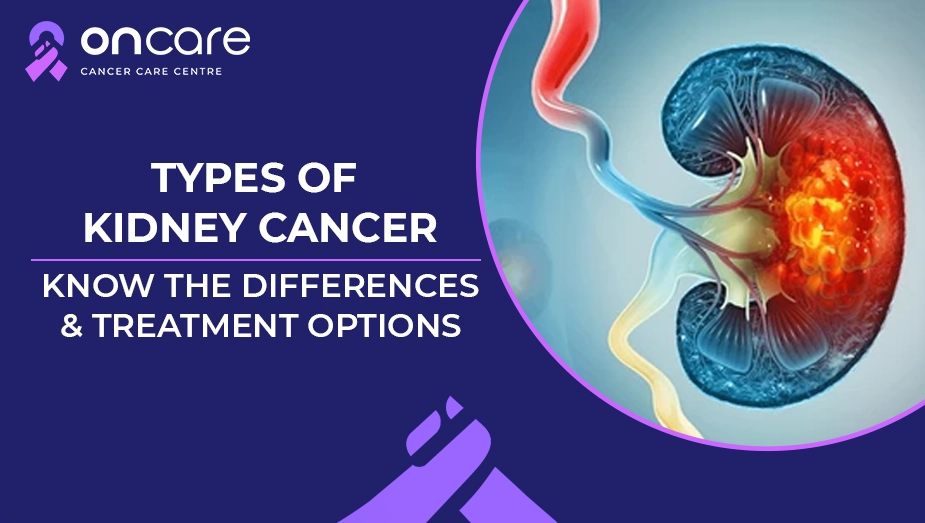
Types of Kidney Cancer: Know the Differences & Treatment Options
Discover more about types of kidney cancer, how they differ, treatments and how they depend on the stage and types, why early diagnosis matters, and tips for patients!

Lung Cancer Cough: Differences Between Dry and Wet Coughs
Discover more about lung cancer cough and its differences between dry and wet coughs, and why lung cancer causes cough in patients, and when you should get concerned!
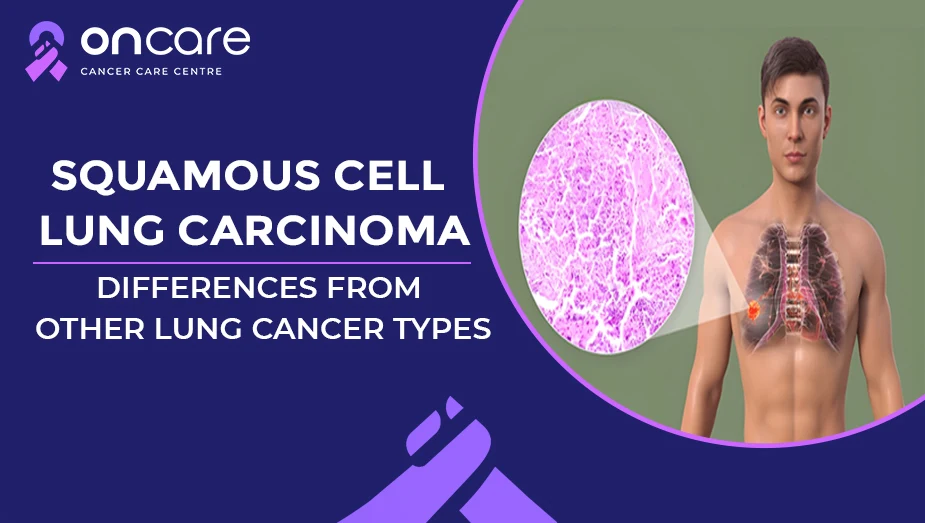
Squamous Cell Lung Carcinoma: Differences from Other Lung Cancer Types
Learn what makes squamous cell lung carcinoma different from other lung cancers. Understand symptoms, diagnosis, treatment options, and prognosis in simple terms.
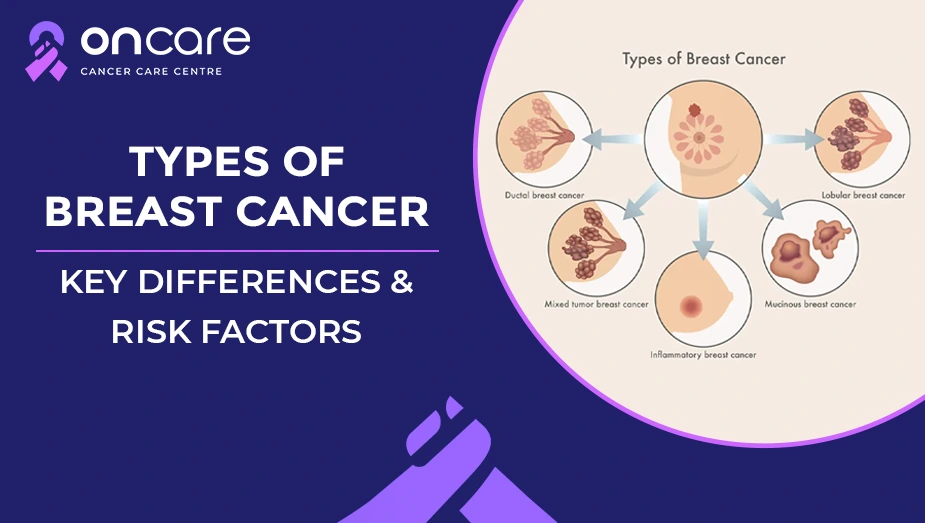
Types of Breast Cancer: Key Differences and Risk Factors
Discover the main types of breast cancer, their key differences, risk factors, and treatment options. Learn how early detection and care can make a big difference.