Table of Contents
How to Handle Appetite and Taste Changes during Chemo?

By Prashant Baghel


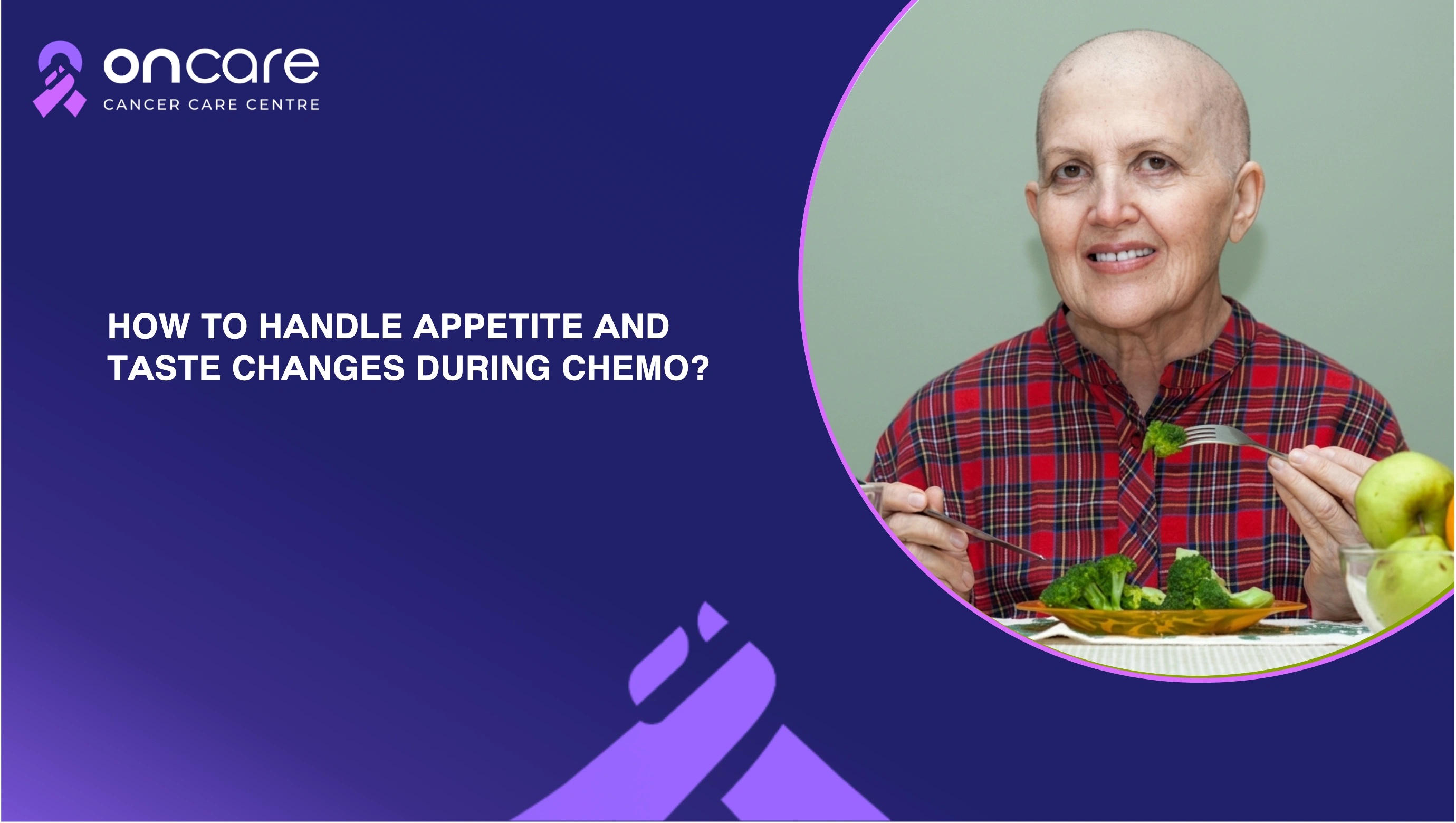
Cancer treatment can save lives, but it can also make you feel different every day. A lot of people are surprised by how food tastes and how hungry they feel during chemotherapy. Your favorite food might suddenly taste bad. You might feel full after only a few bites. You might not even want to eat. These changes can be hard to understand and make you feel bad, especially when your body needs good food the most.
You are not alone if you or someone you care about is going through chemotherapy. It's very common for your appetite and taste to change. The good news is that there are easy and useful ways to handle appetite and taste changes during chemo. You can still get the nutrients your body needs and make eating easier and more comfortable by making small changes to your daily routine.
Why Does Chemotherapy Change How Hungry You Feel and How Things Taste?
Chemotherapy drugs are very strong because they are meant to kill cancer cells that grow quickly. But they can also hurt healthy cells, like those in your mouth and stomach. This can change the way food smells and tastes. Some people say that food tastes like metal or salt. Some people say that everything tastes bland. You might also have a dry mouth, sores in your mouth, nausea, or feel tired, all of which can make you less hungry.
Feelings are also important. During cancer treatment, stress, fear, and sadness can make you not want to eat. Eating can be hard when you have both physical and emotional changes. The first step to handle appetite and taste changes during chemo is to realize that they are a normal part of treatment.
Easy Ways to Handle Appetite and Taste Changes During Chemo
You need to be patient and make small changes to handle appetite and taste changes during chemo. There is no one answer that works for everyone, so it's important to try out different ideas and see what works best for you.
Eat Smaller Meals More Often
Don't make yourself eat a whole plate of food if you can't. Instead of three big meals, try eating five or six smaller ones throughout the day. A little soup, a piece of toast, yogurt, or a fruit smoothie can all give you energy. It can be easier to eat small amounts every few hours than to sit down for a big meal.
Keep snacks close by so you can eat when you get even a little hungry. During chemotherapy, your appetite can change quickly. When you feel like eating, take advantage of it. This simple step can really help you handle appetite and taste changes during chemo in a practical way.
Pick Foods That Taste and Feel Better to You
Your taste might change from one day to the next. Try different foods and see which ones you like the best. If red meat doesn't taste good, try chicken, fish, eggs, paneer, beans, or lentils instead. Use plastic spoons and forks instead of metal ones if your food tastes like metal. It might also help to cook in glass or ceramic dishes.
Food that is cold or at room temperature is often easier to eat because it doesn't smell as much. Strong smells can make you feel sick. Try sandwiches, salads, curd rice, smoothies, or fruits that have been chilled. If food tastes bland, you can make it taste better by adding lemon juice, herbs, or mild spices.
Eat soft foods like khichdi, mashed potatoes, oatmeal, soups, custard, or well-cooked vegetables if your mouth hurts. If spicy, salty, or acidic foods hurt, don't eat them. Making these small changes can make it much easier to handle appetite and taste changes during chemo.
Stay Hydrated but Drink Smartly
While getting chemotherapy, it's very important to drink enough fluids. You can drink water, coconut water, fresh juices, soups, and herbal teas. But if you drink a lot of liquid right before a meal, you might feel full quickly. Instead of drinking during meals, try to drink between meals. This will help you eat more.
Add a slice of lemon, cucumber, or a little fruit juice to plain water to make it taste better. You can also help with a dry mouth and a strange taste by sucking on ice chips or sugar-free candies. Good hydration can support your efforts to handle appetite and taste changes during chemo more comfortably.
Make Eating a Stress-Free Time
Your surroundings can change how hungry you are. Eat in a place that is calm and pleasant. If it makes you feel better, sit by a window or with family. Listening to light music or watching a favorite TV show can help you forget about your nausea or pain.
Gentle activity, like going for a short walk before meals, might also make you want to eat more. Walking slowly for five to ten minutes can help your body get ready to eat.
Don't put too much pressure on yourself to eat well. Some days will be better than others. Be nice to yourself and be proud of small steps. A relaxed mind can make it easier to handle appetite and taste changes during chemo.
Help with Feelings and Professional Advice
Changes in appetite and taste aren't just physical issues. They can change how you feel and how much energy you have. A lot of people get upset when they can't enjoy food like they used to. Talking about how you feel with family, friends, or a counselor can help you feel less stressed.
Talking to your doctor or a dietitian can also be helpful. If you're losing too much weight, they can recommend special nutrition drinks or supplements. Don't start taking supplements without first talking to a doctor. Your healthcare team knows what's best for you, and every cancer treatment plan is different.
Your doctor may give you medicine to help with severe nausea. If you have mouth sores that hurt, there are special mouthwashes or treatments that can help. Don't keep your pain to yourself. Always tell your doctors if you have trouble eating. Professional support can make a big difference when trying to handle appetite and taste changes during chemo.
Why It's Important to Eat Well While Getting Chemotherapy
Eating well helps your body stay strong while you're getting treatment. It helps your immune system, keeps your muscles strong, and speeds up your recovery after each round of chemotherapy. Every little bit of food you eat counts, even if you can't eat big meals.
Make sure to eat small amounts of foods that are high in protein, healthy fats, and energy. If you can, add a spoonful of ghee or olive oil to your food. Mix fruits with milk or plant-based milk to get more calories. Put nuts and seeds in your yogurt or porridge. These easy changes can make your food more nutritious without adding too much to it.
Keep in mind that the goal is not to eat perfectly. The goal is to make your body strong enough to fight cancer and deal with treatment. Good nutrition plays a key role when you are trying to handle appetite and taste changes during chemo.
When to Get Medical Help
It's normal for your appetite and taste to change, but there are times when you should call your doctor. If you can't eat or drink for more than a day, if you keep throwing up, or if you lose a lot of weight quickly, you should see a doctor. You should also call right away if you are very dehydrated, weak, or dizzy.
Your doctors may change your medications or suggest other therapies to help you. Taking action early can stop bigger problems from happening later and help you better handle appetite and taste changes during chemo.
Consult Today
It's not easy to deal with changes in appetite and taste during chemo, but it is possible. If you are patient, make small changes to your diet, get emotional support, and follow your doctor's advice, you can better handle appetite and taste changes during chemo and manage these side effects. Each patient's journey is different. You may have to try a few different things before you find what works for you.
It's hard to go through cancer treatment, but you don't have to do it alone. Picking the right hospital and medical team can make a big difference in how comfortable you are and how quickly you heal. For expert care, advanced treatment options, and complete cancer support, you can trust Oncare Cancer Hospital for the best treatment. Their doctors and staff are very experienced and focus on more than just treating cancer. They also work to make your life better at every stage of treatment.
Frequently Asked Questions
Yes, it happens a lot. Chemotherapy can make you feel tired, change your taste, and make you sick, all of which can make you less hungry. These changes usually get better after the treatment is over.
You can use plastic instead of metal utensils. To make the taste better, try adding lemon juice, mild spices, or herbs. Eating cold foods might also help with the metallic taste.
Eat small meals often, and if you can, eat foods that are high in protein and calories, like smoothies, nuts, eggs, and dairy products. If you need to, talk to your doctor about nutrition supplements.
Yes, always let your doctor know. They can give you medicine for nausea, help you with mouth sores, and suggest meal plans to help you stay strong while you are getting treatment.
Book an Appointment
Related Blogs
What Exercises Are Safe During Cancer Treatment?
Learn safe exercises during cancer treatment. Tips on low-impact cardio, stretching, strength training, and mind-body workouts to stay strong and reduce fatigue.
How to Plan Nutrition During Chemotherapy or Radiation?
Learn nutrition planning during chemotherapy and radiation. Tips on meals, hydration, managing nausea, and staying strong throughout cancer treatment.
Baxter Pump for Chemotherapy: How It Helps Continuous Infusion
Learn more about the Baxter pump for chemotherapy and its continuous infusion chemotherapy and why the Baxter pump is important in chemotherapy and its benefits!
Is Chemotherapy Treatment Painful for Breast Cancer?
Many people fear chemotherapy pain in breast cancer. Learn whether chemotherapy really hurts, what discomfort may occur, and how doctors manage pain during treatment.
Preventive Chemotherapy: A Step Toward Stopping Cancer Early
Discover more about preventive chemotherapy and who needs to undergo preventive chemotherapy, common types, and its benefits, challenges and considerations!